Erin Brockovich Calls for Action on AI Data Centers
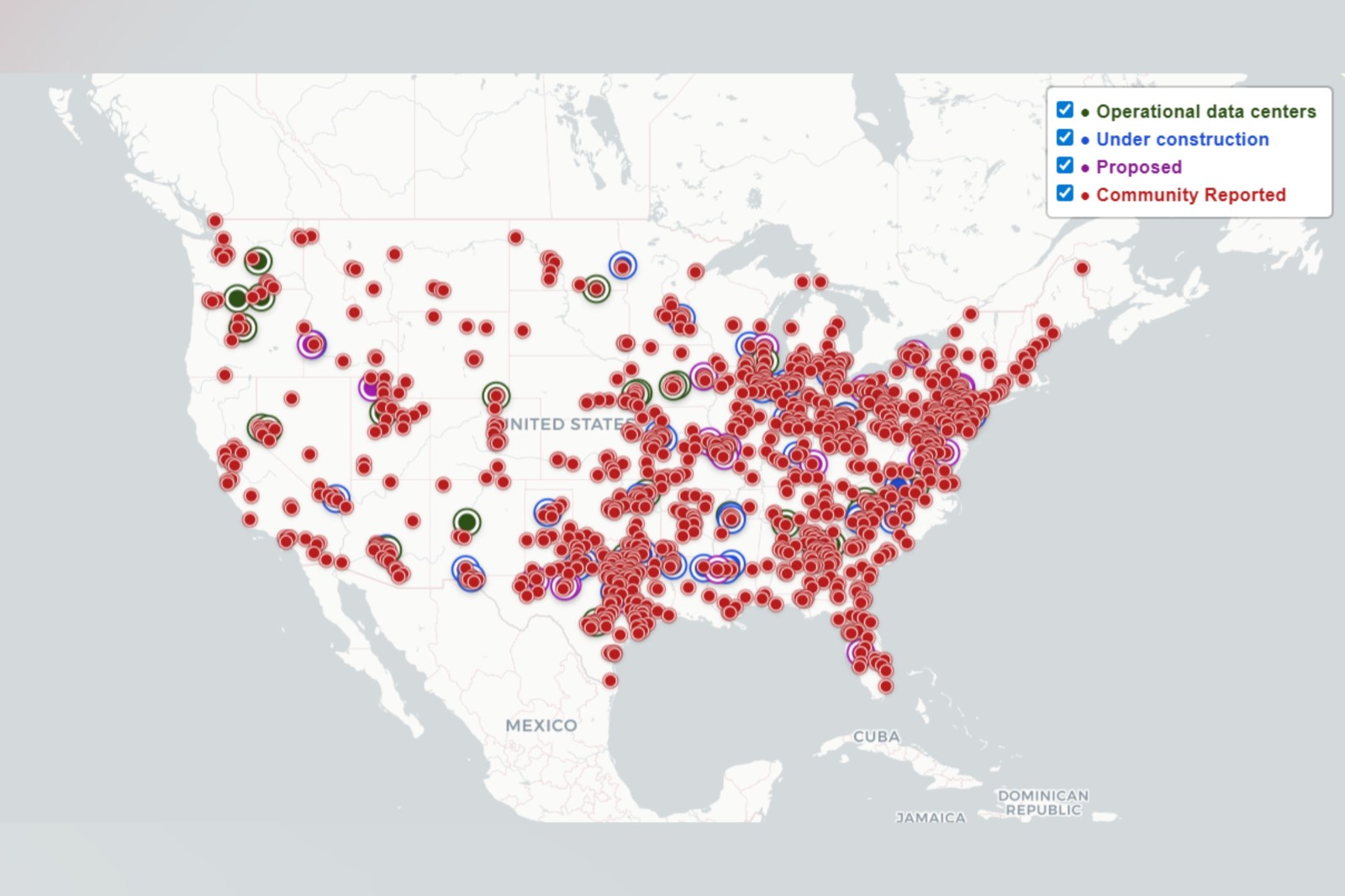
Environmental activist Erin Brockovich seeks public assistance through a new website dedicated to reporting concerns about the expansion of AI data centers in the U.S. With over 4,200 centers nationwide, these facilities often conflict with local interests.
According to Data Center Map, the website, brockovichdatacenter.com, highlights several key issues associated with these centers:
- High energy consumption affecting environmental impact and costs.
- Substantial water use for cooling, straining local resources.
- Increased e-waste from frequent hardware updates.
- Exposure to risks like natural disasters and geopolitical instability.
- Scalability pressures outpacing local infrastructure.
- Constant noise disrupting nearby communities.
These challenges highlight the need for sustainable, secure, and efficient AI data center practices. Self-reporting is the best way we can get this information out to the public!
The website statistics show over 2,716 reports submitted, with Texas leading at 612 reports. Texas hosts more than 460 data centers. The primary community concerns are water, electricity, health, and wildlife.
The expansion of AI infrastructure varies by location. Some towns welcome data centers, while others face delays, disputes, or project cancellations. This dynamic illustrates the varied impact and responses across the country.
Who Is Erin Brockovich?
Erin Brockovich, an environmental activist and consumer advocate, gained recognition for building a case against Pacific Gas & Electric (PG&E) over groundwater contamination in California. Her story became widely known after the release of the 2000 film “Erin Brockovich,” starring Julia Roberts.
The movie depicts her pursuit of justice in the early 1990s. As a legal clerk, she discovered illnesses among residents of Hinkley, California, linking them to pollution from toxic chromium-6 used by PG&E.
Brockovich accused PG&E of contaminating local groundwater from the 1950s to 1960s due to improper wastewater disposal. The case led to a $333 million settlement in 1996, the largest direct-action lawsuit payout at that time in the U.S.