Escalating Tensions in Strait of Hormuz as U.S. Reimposes Blockade on Iran
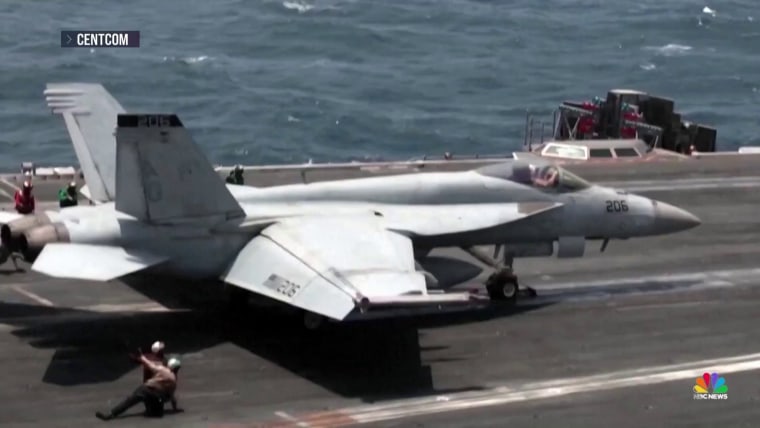
The U.S. military reinstated its blockade of Iranian ports, responding to Iran’s aggressive actions toward ships in the Strait of Hormuz. This development threatens to escalate tensions into widespread conflict as both nations aim to control a vital trade route.
Retaliatory Strikes Increase
The Iranian Health Ministry reported over 260 casualties after recent bombings, indicating an increase in violence. More than 30 fatalities have occurred in recent days, according to government spokesperson Fatemeh Mohajerani.
Interim Deal Unravels
The blockade, first implemented by the U.S. in April, was lifted in June following a temporary agreement. The deal allowed for 60 days to negotiate issues like Iran’s nuclear program, but discussions have stalled amidst the strife.
Iran’s Economic Threats
Iran’s Revolutionary Guard threatened to halt all energy exports from the region, declaring that energy trade will either include everyone or no one.
Actions in the Region
President Donald Trump announced the blockade’s reinstatement and considered imposing a 20% fee on ships passing the strait. However, he withdrew this plan due to concerns from Gulf allies. In response to the blockade, the U.S. conducted several strikes over a seven-hour period.
Defensive alerts have become routine in Bahrain and Kuwait due to regular Iranian missile threats. Jordan also intercepted Iranian missiles, underscoring the ongoing hostilities.
Statements from Leadership
U.S. Navy Adm. Brad Cooper accused Iran of launching dozens of attacks on neighboring Gulf nations. President Trump warned of forthcoming U.S. strikes targeting critical infrastructure in Iran if negotiations fail to resume.
Military Deployment
The U.S. has deployed at least 19 warships, including aircraft carriers and an amphibious assault ship, in the Arabian Sea. There are also hundreds of U.S. military aircraft stationed across the Middle East.
Financial and Trade Implications
The U.S.-Iran conflict has significantly impacted oil and goods prices, with recent disturbances causing market fluctuations. The price of Brent crude oil reached $87 but dropped following Trump’s announcements.
International Reactions and Negotiations
Iran’s U.N. ambassador accused the U.S. of aggression, disputing American actions. President Trump mentioned potential investments from regional rulers, reducing the need for tolls. The reaction to investment commitments remains uncertain.
Under the interim agreement, free passage through the strait was assured for 60 days, but future terms are unresolved. Iran claims a right to control passage and levy charges, which the U.S. contests.
Amidst ongoing strikes and counterattacks, regional mediators are working to restart talks between the U.S. and Iran.