Ethical Concerns Surrounding Todd Blanche’s Confirmation Hearing
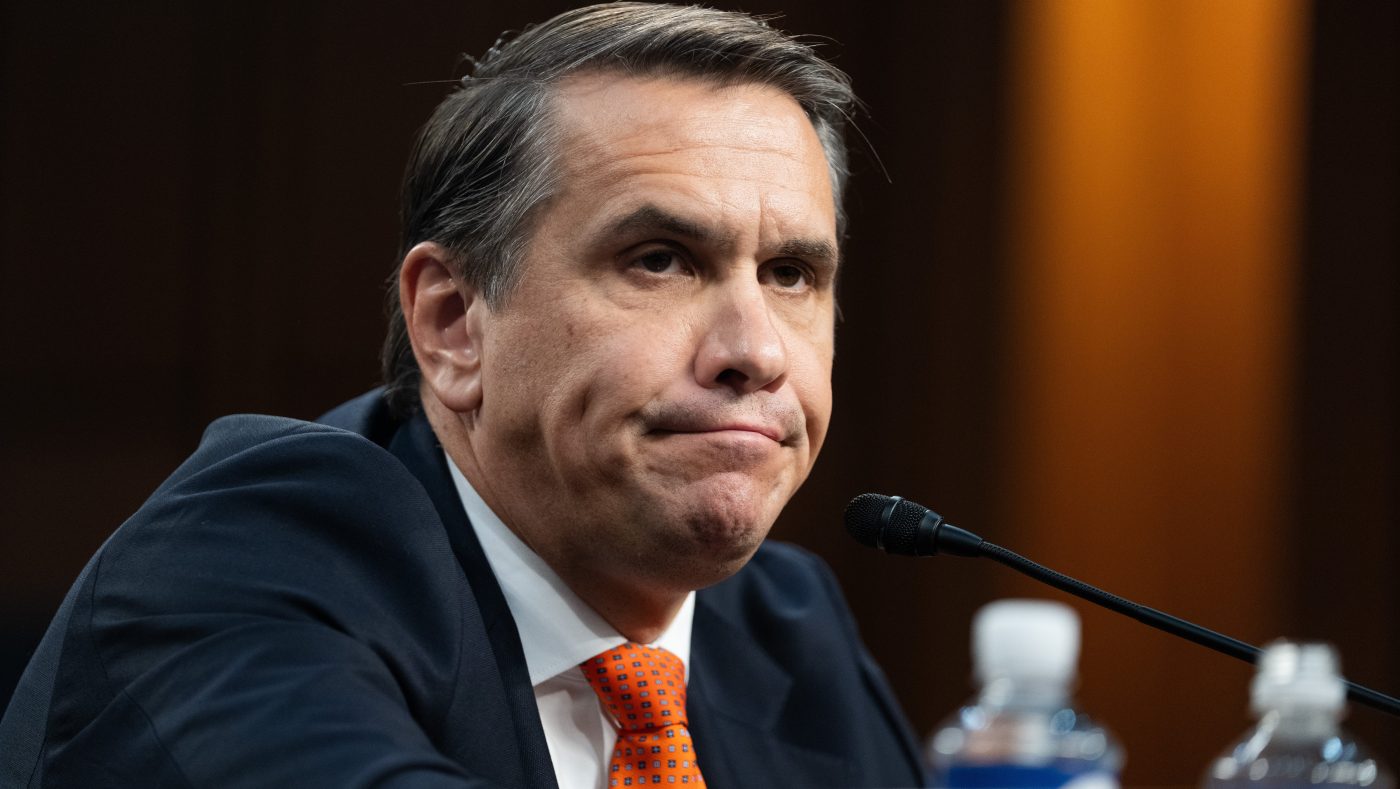
On July 15, 2026, acting Attorney General Todd Blanche appeared before the Senate Judiciary Committee on Capitol Hill. His confirmation hearing raised significant concerns, particularly when Sen. Alex Padilla questioned him about the proposed $1.776 billion “anti-weaponization” fund championed by President Trump. Padilla sought assurance that Blanche would resist any future compensation claims from pardoned participants in the January 6 Capitol riot. Blanche asserted, “we always vigorously defend our cases.” This statement is questionable, especially in relation to President Trump.
The situation arose from a substantial $10 billion lawsuit filed by Trump, accusing the government of improperly releasing his tax information. Blanche personally signed a settlement that prohibited prosecution or claims against Trump, his associates, and family for any events occurring before May 19, 2026. This agreement effectively acted as a self-pardon for Trump. Notably, Blanche chose not to defend the case aggressively, opting for settlement without responding or challenging it, even though the statute of limitations had expired.
The presiding judge criticized the Department of Justice for failing to uphold its duty to defend U.S. interests. The settlement was deemed contrary to departmental policy and legal constraints. Consequently, the judge recommended referring the matter to the New York state bar for potential disciplinary action against Blanche.
Blanche’s confirmation sparked numerous inquiries into the settlement, highlighting his willingness to agree to such terms. The role of attorney general involves representing the nation, independent of the presidency. Instances of past attorneys general defying presidential pressure underscore this responsibility. John Ashcroft resisted illegal spying programs despite significant pressure. Jeff Sessions and Bill Barr also demonstrated independence from presidential influence.
Blanche’s lack of autonomy, as demonstrated by his handling of Trump’s settlement, renders him unsuitable for the position of attorney general. Despite a court ruling voiding Trump’s immunity agreement, Blanche insists it remains valid. This situation is not about policies or personal backgrounds but about Blanche’s inability to act independently and ethically.
When Sen. John Kennedy inquired about Blanche’s relationship with Trump, Blanche mistakenly referred to himself as “his lawyer” before correcting to “was his lawyer.” Such comments raise further concerns about his independence.
Trump’s preference for Blanche as attorney general reflects his desire for loyalists, but Republican senators should scrutinize this choice. The attorney general should uphold the nation’s legal integrity, not serve as a presidential instrument. Confirming Blanche would reflect poorly on Senate Republicans, suggesting a prioritization of Trump’s interests over lawful governance. As elections approach, constituents may question the motives of congressional Republicans.
Chris Truax is an appellate attorney and founding member of the Society for the Rule of Law.