European Military Preparedness Amid Rising Tensions
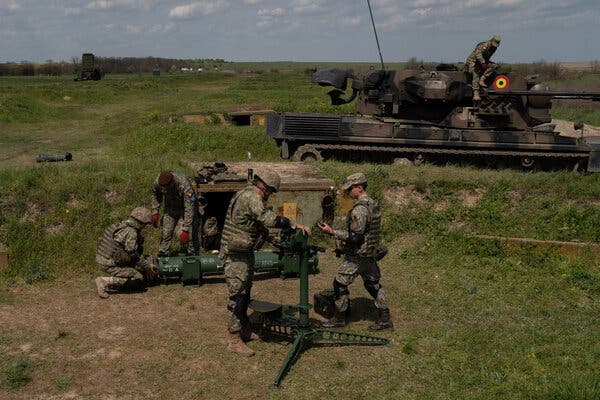
The recent Russian strikes on Ukraine serve as a stark reminder of the vulnerabilities faced by Europe if conflict spills into NATO territories. Governments across the continent are increasing military expenditure, highlighting the urgency to prepare for any escalation.
As the U.S. under President Trump removed certain military assets from Europe, NATO allies have been striving to fill the resultant gaps. Both officials and analysts acknowledge that current efforts fall short. NATO Secretary General Mark Rutte emphasized the indispensable nature of U.S. support for European defense. In January, Rutte stated, ‘If anyone thinks here again that the European Union, or Europe as a whole, can defend itself without the U.S., keep on dreaming. You can’t. We can’t. We need each other.’
Russian military actions, including frequent incursions into NATO airspace, highlight this vulnerability. Fighter jets and drones have tested European defenses, and ballistic missiles capable of reaching European capitals have been employed in the Ukraine conflict.
Polish Defense Minister Wladyslaw Kosiniak-Kamysz, in response to recent Russian attacks, affirmed that Poland’s borders remained secure, thanks to contributions from French and Dutch forces. He noted the critical importance of maintaining a modern military and robust alliances to ensure national safety.
Upcoming discussions in Ankara, Turkey, among NATO leaders will focus on whether European members are assuming sufficient responsibility for their security costs. Although European nations boosted military investments by $90 billion in 2025, they face ongoing challenges in balancing military spending with other societal needs such as healthcare and affordable housing.
The financial commitment extends to supporting Ukraine’s defense. Europe has significantly increased its support following the reduction of U.S. assistance. This week, the European Union commenced a financial transfer of six billion euros to Ukraine as part of a larger loan intended to bolster its defenses, as confirmed by Kaja Kallas, a leading EU diplomat.
Ukraine’s frontline position against Russian aggression necessitates continued financial backing from Europe. ‘We keep raising the cost until Russia understands it cannot win,’ stated Kallas, reflecting on Europe’s strategic approach.
Lara Jakes, reporting from Rome, focuses on diplomacy and conflict, with specific insight on arms and the ongoing wars in Ukraine and the Middle East. With over three decades of journalism experience, she provides crucial analysis on international security affairs.