European Union’s Ongoing Dependency on Russian Liquefied Natural Gas
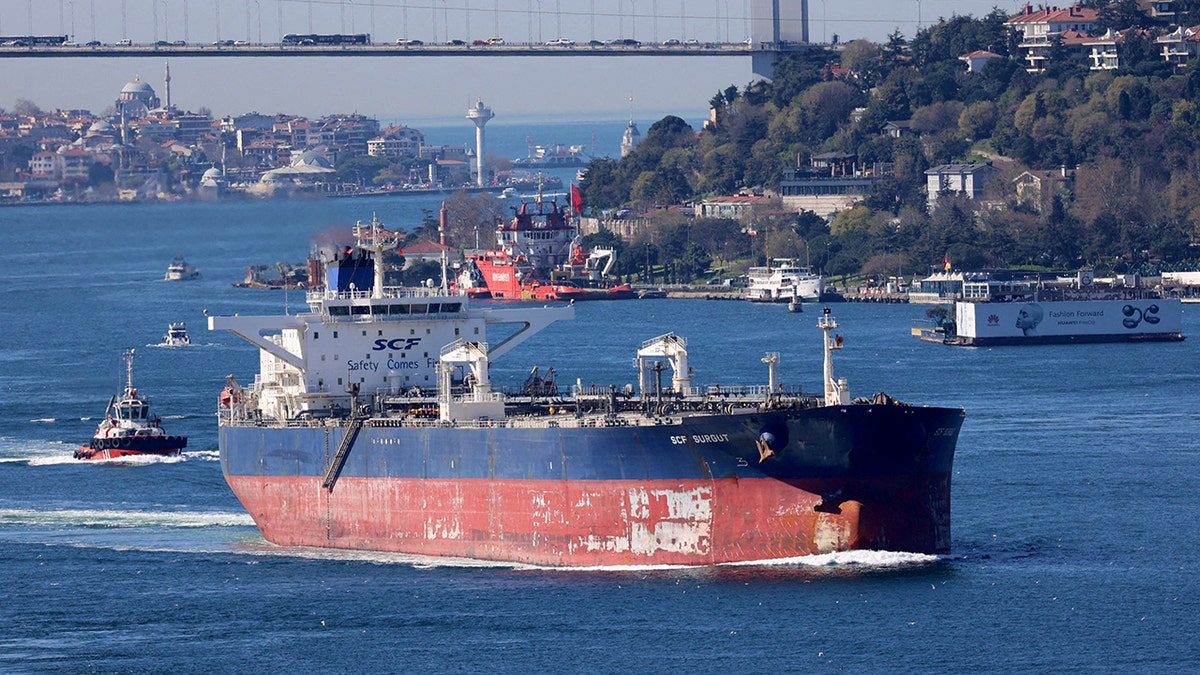
Despite NATO allies increasing defense spending and imposing sanctions on Russia, the EU has not fully cut its reliance on Russian liquefied natural gas (LNG). This dependency continues to provide Russia with crucial revenue during its conflict with Ukraine.
Recent analysis of commercial shipping data reveals that European nations spent billions on Arctic LNG purchases in the first half of 2026. Environmental watchdog Urgewald, through Kpler’s shipping data, identified that 136 out of 140 cargoes exported from Russia’s Yamal LNG project were delivered to EU ports. Only four cargoes were sent to China in the same period.
The estimated value of these shipments was roughly €5.96 billion, equating to about $6.8 billion, based on European natural gas prices.
These figures highlight a contradiction: while EU governments have vowed to end dependence on Russian fossil fuels, payments for Russian LNG persist. Even amidst sanctions and pledges to phase out Russian gas, Europe remains Moscow’s top destination for Arctic LNG exports.
French ports received 51 cargoes from the Yamal LNG project, Belgium received 37, and Spain 34 in the first six months of 2026. These reflect deliveries to ports rather than the purchasing companies’ nationality or the LNG’s final destination.
As NATO allies boost defense spending to 5% of GDP in response to Russia’s invasion of Ukraine, the challenge lies in balancing military strengthening with energy revenues flowing to Moscow.
EU legislation aims to phase out Russian gas imports gradually by banning long-term contracts for Russian LNG from January 1, 2027, and pipeline gas by September 30, 2027. While pipeline gas imports have dropped since 2022, Russian LNG remains a significant supply source.
President Donald Trump criticized Europe’s continued dependence on Russian fuel sources, noting Europe spends more on Russian oil and gas than on defense for Ukraine. European Commission spokesperson Anna-Kaisa Itkonen linked the increase to frontloaded deliveries and contractual adjustments before stricter restrictions.
Market disruptions from Strait of Hormuz closures have led to efforts to maximize alternative LNG supplies. Restrictions on Russian LNG transshipment may have resulted in more cargoes staying within the EU market.
The White House highlighted the US as the world’s largest oil and natural gas producer and a primary supplier for Europe. The Belgian Ministry of Foreign Affairs supports the EU’s plan to phase out Russian gas imports and implements EU measures accordingly.
Amid Russia’s reduction of gas supplies to Europe after its 2022 Ukraine invasion, EU efforts to cut Russian energy reliance intensified. Members of the European Parliament have called for investigations into Russian-backed efforts to influence EU energy debates.
Strategic challenges persist in unwinding decades of Russian energy dependence while maintaining stable supplies. Continued LNG purchases offer Russia significant export revenue, despite efforts by the US and allies to limit Kremlin earnings.
EU foreign ministers recently approved sanctions targeting Russia’s military-industrial complex and tightening restrictions on its oil exports. Spain, a major importer of Russian LNG, is central to the debate on the EU’s phaseout plans.
The EU’s proposed sanctions target foreign buyers of Russian oil and gas to pressure Moscow. Leading senators emphasize the importance of legislative and executive collaboration to exact a heavy price on Russian fuel purchasers.