Examining Discord Among Democrats: Concerns Over Internal Strife
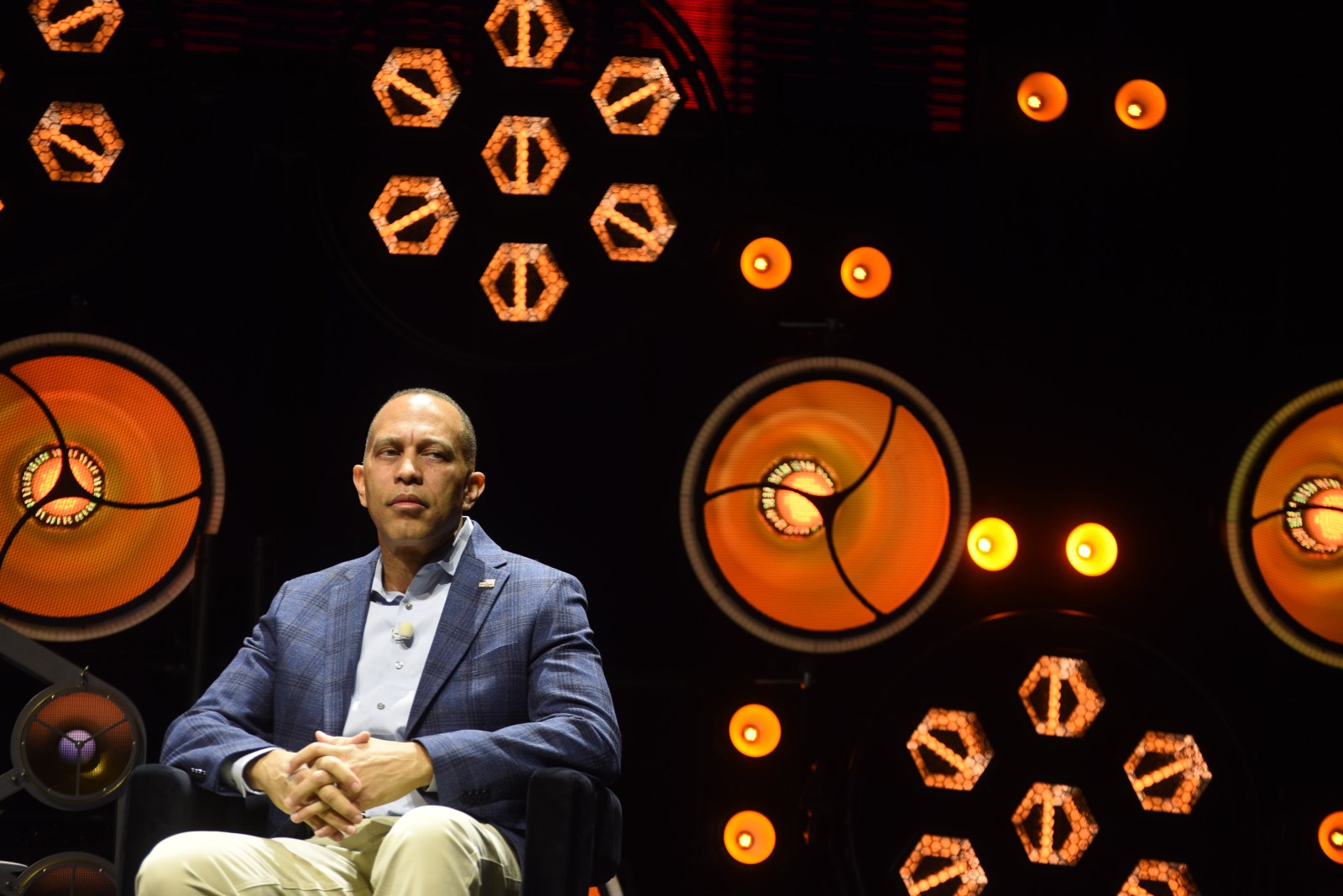
I recently attended the What’s Next conference in Denver, where House Democratic Leader Hakeem Jeffries faced interruptions during his discussion with Jessica Tarlov. It happened shortly after Democrats secured control of the House and the Senate, sparking discussions on policy priorities.
A concerned young woman voiced her worries about the future and pressed for the Green New Deal and Medicare for All. During a response about healthcare, a man disrupted by labeling Jeffries a liar and oligarch, leading to his removal by security. Another attendee accused Jeffries of aligning with private equity interests over public welfare.
On Wednesday, House Democrats nominated Jeffries as speaker with a vote of 251 to 11, without opposition. Yet, my thoughts linger on Denver, fearing that such internal conflicts could impact 2028 strategies.
This reflection is not a defense for Jeffries. Criticism of his record is valid, as accountability through protest is important. However, labeling him a traitor diverges from productive dialogue. Treason, under the Constitution, involves literal warfare or aiding the nation’s enemies. Without evidence, such accusations distract from genuine accountability.
Tarlov’s resilience epitomizes courage. Despite challenges on platforms like Fox News’ The Five, she advocates Democratic views to dissenting audiences. Her commitment exemplifies the type of constructive engagement needed.
The recent electoral success reflects unity among progressives, moderates, and independents despite differences. Looking ahead to the 2028 open Democratic primary, maintaining focus on positive outcomes over internal discord is crucial. Traitor accusations and internal debates could erode unity before the general election.
Such divisive confrontations provide materials for opposition media outlets like Fox News and Breitbart. Ensuring intra-party disagreements don’t play out publicly will be key for maintaining strategic advantages.
Engaging leadership through effective channels like co-sponsorships, constituent organization, and potential primary challenges governs real influence on Congressional members. Jeffries pledged actions, including reversing Medicaid cuts and banning congressional stock trading. Efforts should focus on these promises without resorting to name-calling.
Eleven Democrats dissented on Jeffries’ nomination. Seven incoming members declared ‘meaningful progress’ in discussions on key issues but highlighted ongoing needs in healthcare, immigration, campaign finance, and foreign policy. Such actions represent true accountability without hostility.
The movement should prioritize addressing systemic issues over internal conflicts. Democrats obtaining committee control and subpoena capacity must focus on tackling corporate corruption and supporting vulnerable demographics. The capability to envision a supportive legislative agenda is within reach.
Fostering unity within the party, despite differences, remains essential. A coalition driven by shared goals transcends internal agreement, addressing broader national challenges. Shouting matches might grant Republicans the 2028 advantage unless Democrats produce results through collaboration.
Emily Suttle-Braun is the founder and CEO of Mend Political. The views expressed are her own.