Exploring ‘Fatherland’: A Journey Through Thomas Mann’s Return to Germany
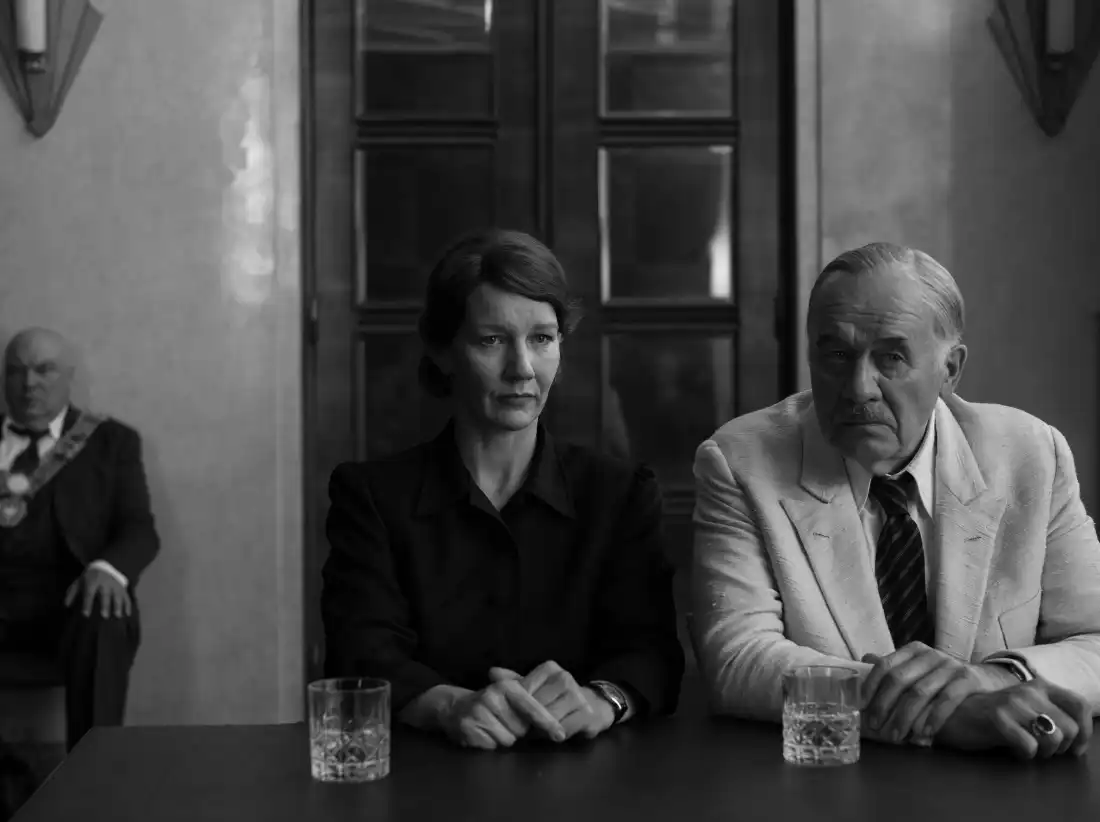
The film Fatherland features Sandra Hüller as Erika and Hanns Zischler as Thomas Mann. Directed by Paweł Pawlikowski, this film explores Mann’s return to Germany in 1949. This occurs after 11 years of residing in America, during which he distanced himself from the Nazi regime.
Mann’s imposing figure is central to the film. Susan Sontag once compared meeting him to interrogating a divine figure, though she found him less impressive in person.
Fatherland runs for 82 minutes. It blends family drama, post-war German history, Cold War politics, and the interplay of personal and historical guilt. It starts with an intimate call between Mann’s daughter Erika and her brother Klaus.
Mann’s Journey
Klaus, portrayed by August Diehl, is a talented, yet despondent writer. Erika, in their family’s modernist villa, invites Klaus to accompany them to Germany. Their father plans to accept the Goethe Prize. However, Klaus resents his father’s dominance.
Mann’s trip, historically made with his wife, instead features Erika as his assistant in the film. She manages Mann’s agenda, edits speeches, and provides personal care. Pawlikowski explores the rich dynamic between Mann and Erika, portraying her as integral to his journey.
The Film’s Setting and Context
The film’s title carries multiple meanings. As Mann and Erika travel through Germany’s divided landscape, the duality becomes evident. Pawlikowski uses a mix of archival and new footage to depict the dichotomy. The film captures both West and East Germany’s eagerness to claim Mann.
In the American sector, Mann is accompanied by a CIA agent during his lectures to affluent audiences. Many attendees had Nazi ties, mirroring Erika’s ex-husband’s inspiration for a character in Klaus’ novel Mephisto. Meanwhile, in Soviet-controlled East Germany, Mann addresses Communist audiences.
Personal and Political Tensions
Mann avoids aligning with either side, instead discussing the ‘good’ German culture. His concept of love is complex and manifests subtly in the film. Despite a family tragedy, Mann remains focused, which strains his relationship with Erika.
Erika’s character portrays the tension between filial loyalty and personal beliefs. Her history includes acting and writing against the Nazis, as well as reporting on the Allied forces. As Erika challenges Mann, the film explores themes of repression and cultural refuge.
Artistic Craftsmanship
The film reflects Pawlikowski’s own approach. It showcases his tendency to balance intense emotions with artistic precision. Shot in elegant black and white by cinematographer Łukasz Żal, Fatherland offers a concise narrative reminiscent of Chekhov or Joyce.
The film closes with an abrupt yet profound realization. Accompanied by Bach’s music, the ending provides a fleeting look at Mann’s vulnerability, adding depth to his otherwise imposing persona.