FBI Modernizes Cybersecurity to Counter AI Threats from Nations Like China and Russia
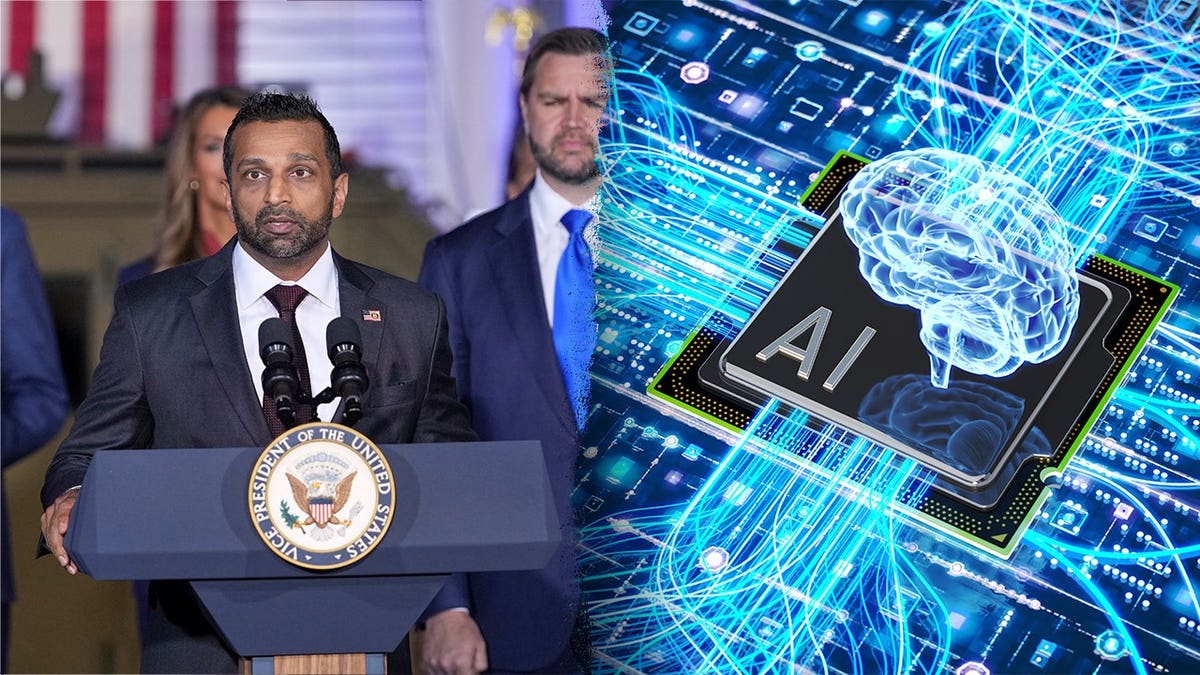
The FBI has significantly modernized its approach to cybersecurity, aiming to counter the illegal applications of artificial intelligence by foreign adversaries such as China and Russia. FBI Director Kash Patel emphasized in a recent interview that previous strategies relied heavily on patchwork solutions, which weren’t sustainable. The agency underwent a complete technological transformation.
“Everybody that looks at the bureau thinks they must have the best tech and technology in the world,” Patel stated. “We didn’t because prior leadership, all they did for decades was put a band-aid over a band-aid over a band-aid and never took the time to fix it.”
The FBI has embraced artificial intelligence as a supplement to human efforts, improving efficiency without replacing humans.
To address threats more effectively, the FBI uses AI to quickly analyze databases and process public tips. This technology acts as a human supplement, enhancing the speed and accuracy of responses to prevent incidents like terrorist attacks and school shootings.
Patel explained, “We get tips from our private sector partners and American citizens, and those tips come into our database now immediately. Instead of an old game of telephone where 50 people have to call 50 people, and it takes three days to get us the information, it’s ingested immediately. It’s analyzed.”
Once information is processed, it is forwarded to field offices, and FBI headquarters in Washington, D.C. is alerted. Personnel are deployed as needed. Under Patel’s leadership, the FBI increased its AI application from a mere handful to over 140 active use cases.
Kash Patel defended the use of AI at the Bureau, reiterating that it’s here to stay. The agency pledges to follow legal guidelines and maintain partnerships with the private sector. AI’s rapid development has raised concerns among lawmakers about industry regulation.
A recent summit at the White House highlighted these concerns. President Donald Trump gathered tech leaders to sign a voluntary, “morally binding” agreement aimed at encouraging industry self-regulation.
During a spontaneous press conference, Trump remarked, “I think I’m seeing tremendous self-policing. And they understand that they have to self-police.”
OpenAI recently terminated three researchers for allegedly sharing confidential information with an external AI safety group. Such incidents highlight challenges faced by companies in managing the unpredictable behavior of rogue AI models.