Federal Judge Supports Trump Administration’s Border Wall Plan Amidst Tohono O’odham Nation’s Opposition
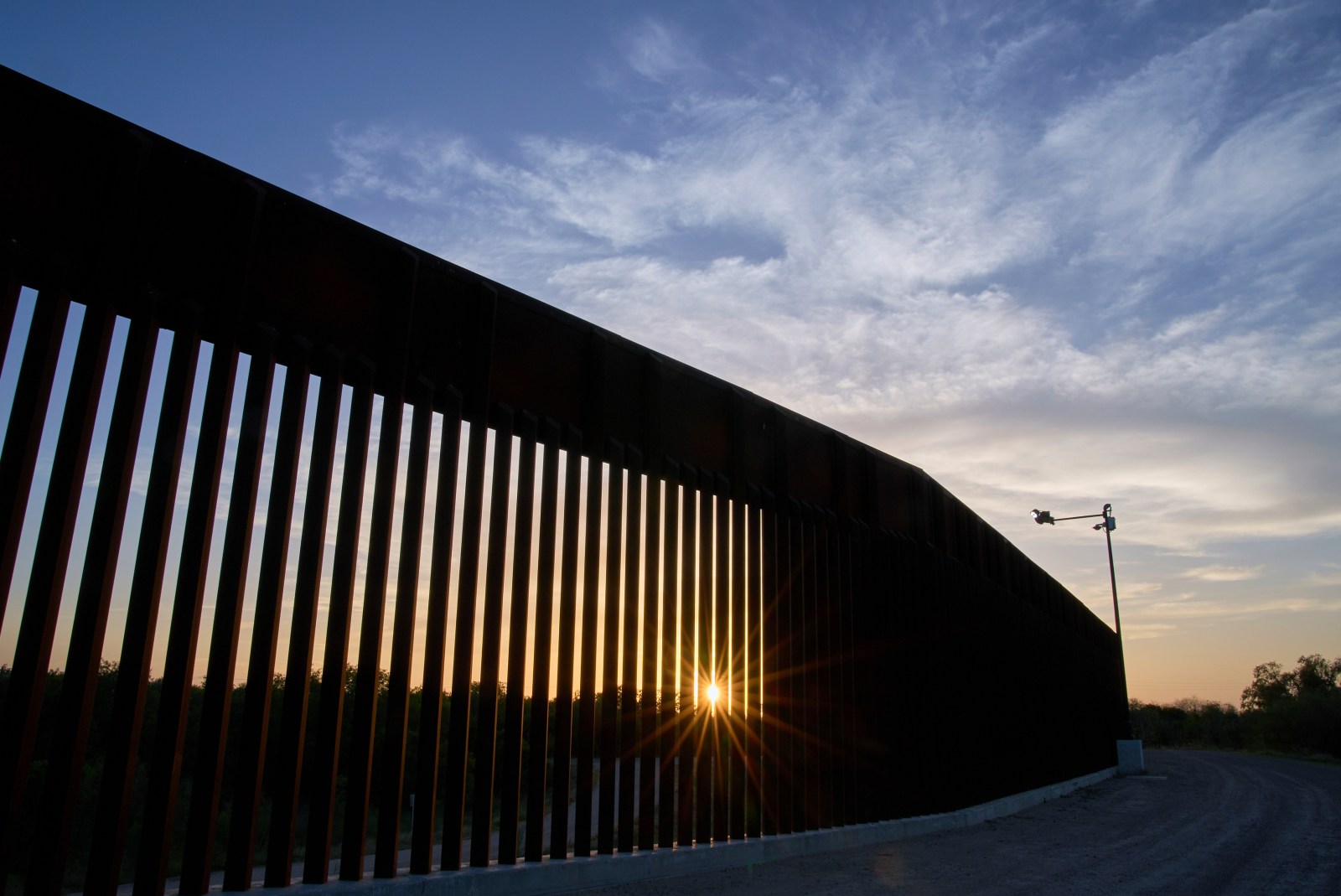
A federal judge has ruled in favor of the Trump administration’s efforts to expand the southern border wall, denying a request from the Tohono O’odham Nation to stop construction along a 62-mile span of the tribe’s reservation by the Arizona-Mexico border. The Nation argued that the project would harm sacred and culturally significant sites, disrupt religious practices, and further divide tribal communities on both sides of the border.
The Court’s Decision
In a significant step forward for the border wall project, U.S. District Judge Richard Leon, appointed by President George W. Bush, refused the tribe’s request for a preliminary injunction. He concluded that the tribe’s legal challenge, claiming the wall would unlawfully change reservation boundaries or trespass on tribal lands, was unlikely to succeed.
“I conclude that plaintiff is unlikely to succeed on the merits because the federal Roosevelt Reservation exists along the international border and, in any event, plaintiff has not established that construction of a border wall will indeed alter Reservation boundaries,” stated Judge Leon.
Created in 1907, the Roosevelt Reservation is a 60-foot-wide strip of federal land along much of the U.S.-Mexico border. Although it pre-dated the establishment of the Tohono O’odham Nation’s modern reservation, the tribe claims traditional rights to the land. Judge Leon outlined that the government’s objectives regarding border security outweigh the alleged harms put forward by the tribe.
“The government’s interests in securing the border, enforcing immigration laws, and ensuring public safety outweigh any surviving irreparable harms at this juncture,” Leon wrote.
Judge Leon emphasized the importance of ongoing communication between the government and the tribe to address their concerns regarding border wall construction.
Tohono O’odham Nation’s Response
The Tohono O’odham Nation’s reservation, which spans 2.8 million acres in Arizona, shares 62 miles of border with Mexico. The Nation argues its territory historically extends into Mexico, linking communities on both sides and supporting approximately 2,000 members living in Mexico. These individuals continue crossing the border for spiritual pilgrimages and cultural ceremonies.
The tribe filed a lawsuit in June, including a request for a preliminary injunction to halt the wall’s construction. The original complaint asserted that the wall would infringe on reservation boundaries and disturb sacred sites.
“The Nation values its close relationship with the Department but opposes construction of a border wall on the Reservation, which would cause significant devastation, including the destruction of sacred mountain peaks,” cited the lawyers representing the tribe.
The Nation has worked with the U.S. government on border security and anti-drug trafficking initiatives but disagrees with threats posed by the wall construction. Nation chairman Verlon M. Jose expressed dissatisfaction with the ruling, stating that critical issues need to be addressed.
“Too many critical issues were not adequately addressed, such as inevitable impacts construction will have on the Nation’s land and the permanent destruction of sacred sites,” he said.
Impact on the Tohono O’odham Reservation
The affected area is located in the Sonoran Desert, a sensitive ecological region home to unique wildlife and native plants, such as the saguaro cactus, which only grows naturally here.
In their court filing, the Nation provided a map showing that its ancestral lands extend beyond current reservation boundaries, including areas around Phoenix and Tucson, reaching into Mexico.
The Trump Administration’s Border Priorities
Construction of the border wall is a core element of the Trump administration’s immigration policy. In 2019, Congress allocated substantial funds for border security measures, including wall construction. The administration aims to complete the project soon, despite facing legal challenges from various groups.
In a similar case, the federal government seeks control over land surrounding the Mount Cristo Rey pilgrimage site, arguing it is necessary for border security. Church officials contest the claim, warning it would disrupt religious activities there.
Meanwhile, border wall activities have commenced in Texas’ Big Bend National Park. The project involves building new access roads and installing surveillance technology. Commissioner Rodney Scott explained that these developments aim to enhance border security without imposing significant ecological damage.
“We are not building a 30-foot wall or stadium lighting through Big Bend National Park,” stated Scott to news media.
The developments have attracted political criticism from various Texas stakeholders who fear potential damage to the region’s unique desert habitat and tourism economy.