Federal Surveillance Sparks Concerns for Minnesota Churches
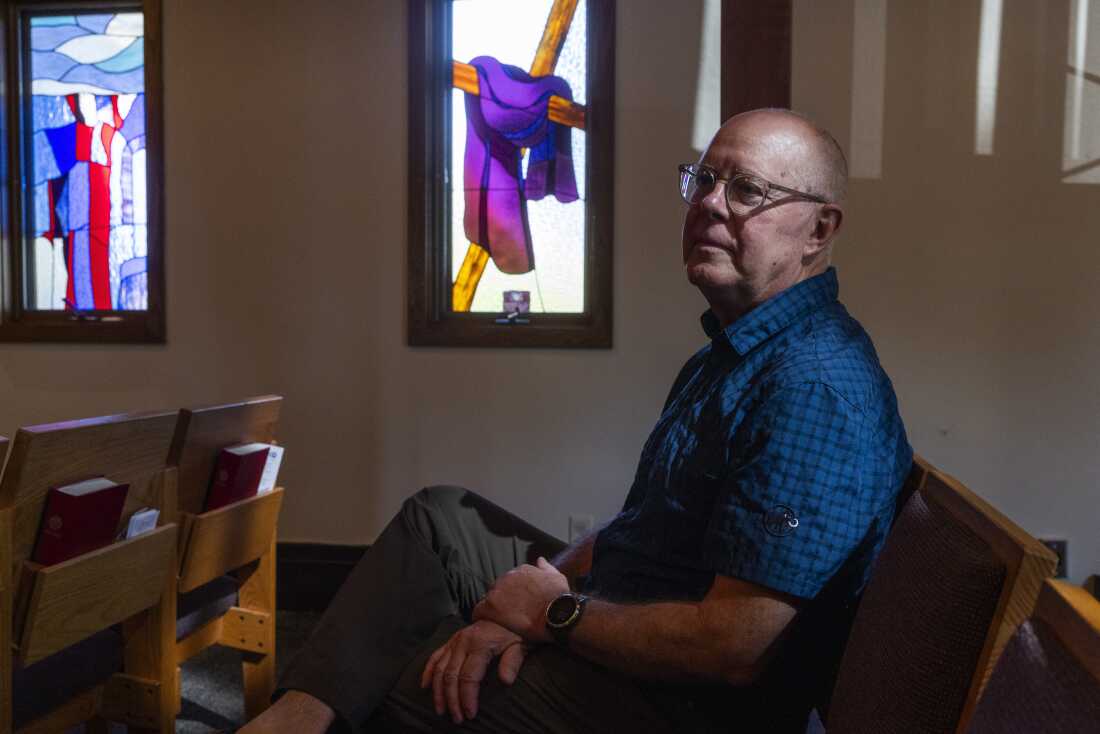
Recently, Rev. Steve Sylvester, interim pastor at Prince of Peace Lutheran Church in Roseville, Minn., informed his congregation about surveillance activities by the Department of Homeland Security (DHS). This occurred during a federal immigration enforcement surge last winter. The disclosure came from a motion filed in federal court, linked to an ongoing conspiracy case against ICE protesters.
Government documents reveal that an undercover DHS agent attended a meeting of ICE protesters at the church in February. The agent collected license plate information and compiled dossiers including names, addresses, and job details of attendees.
“It feels weird,” Sylvester expressed to NPR. “It feels like I’m living in 1950s Eastern Europe.”
Such surveillance wasn’t isolated to the church. Federal agents recorded meetings at various locations including churches, schools, restaurants, and libraries across the Twin Cities. They infiltrated private chats, sought financial records of national labor unions, and gathered data on community members not accused of crimes.
Rachel Levinson-Waldman, director at the Brennan Center for Justice, characterized the surveillance’s breadth as “breathtaking,” emphasizing the resources devoted to this effort.
Similar events occurred at the University Baptist Church in Minneapolis. Interim pastor Cody Sanders discovered that an undercover agent recorded a self-defense class held at his church in May.
“I do imagine people will look over their shoulder more,” Sanders commented, concerned about the suspicion it might breed.
Sergio Manancero, general manager at La Doña Cerveceria in Minneapolis, recounted a meeting attended by an undercover agent in January.
“I understand why they attended,” he said, reflecting on the open nature of the protest planning meeting.
At a library meeting, an agent claimed to work in construction, offering help for more “direct action,” indicating readiness for jail.
Privacy and Free Speech Concerns
Levinson-Waldman noted federal government’s extensive authority under the Fourth Amendment to gather information, though laws restrict such actions. She highlighted concerns about ethical alignment with government behavior.
The surveillance actions resemble those from the FBI’s historic COINTELPRO, which targeted groups deemed subversive, such as civil rights leaders and activists. This led to reforms within the Justice Department.
The government defended their actions in court, stating they targeted those involved in the conspiracy, not the broader set of protesters.
Aaron Terr from the Foundation for Individual Rights and Expression highlighted First Amendment concerns, worrying that legal activities may be caught up in such surveillance.
DHS gathered financial records from several nonprofits and unions in their investigation. Federal prosecutors claimed this was within regulatory authority.
Terr questioned whether the focus was on crime or political movements, given the scrutiny of advocacy groups and attendees.
A government presentation depicted organizations linked by conspiracy charges, including unions and local enterprises. This raised alarm among critics like Bernie Burnham, President of Minnesota AFL-CIO, who warned of “McCarthyism.”
Terr warned that such images deter people from joining protests or supporting causes, fearing government scrutiny.
DHS avoided commenting on ongoing investigations, while NPR’s inquiries were redirected to the U.S. Attorney’s Office, which declined to comment. A court hearing for the conspiracy case is upcoming.