Georgia Senate Race Sees Intense Fundraising and High Stakes
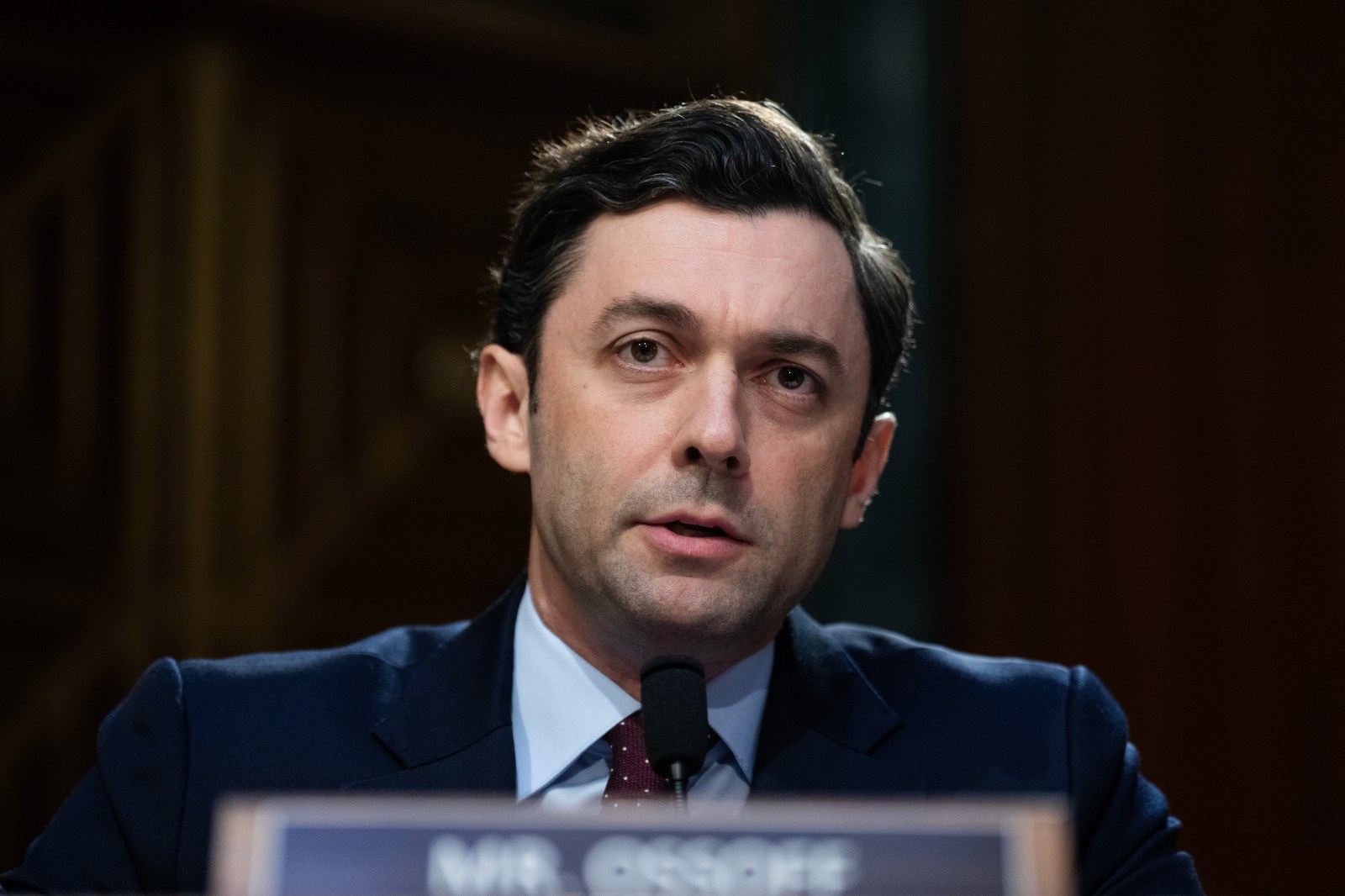
Senator Jon Ossoff Leads in Fundraising
Senator Jon Ossoff, a Democrat from Georgia, has accumulated one of the largest campaign war chests in the current Senate cycle. Recent Federal Election Commission filings reveal that Ossoff holds about $42 million in cash, significantly surpassing the financial resources of his opponent, Republican Mike Collins, by nearly 20 times.
Despite his substantial funds, Ossoff’s campaign continues to emphasize the importance of donations. A July fundraising email urged supporters to contribute $5 to maintain ad presence, highlighting the high costs of advertising in Georgia’s competitive media market.
Fundraising appeals frequently cite missed goals or encourage small-dollar contributions. These strategies help sustain donor engagement, particularly as major spending is anticipated in the months leading up to Election Day.
Georgia’s Emergence as a Key Battleground
The Senate race between Ossoff and Collins is closely monitored as Democrats aim to protect a Senate seat in a state previously won by President Donald Trump. Georgia’s political significance has grown in recent election cycles, with Trump winning by about 2 percentage points in 2024 following Joe Biden’s narrow victory in 2020.
The state’s political landscape is highly competitive. While Republicans hold the governor’s office, Democrats currently occupy both U.S. Senate seats.
Ossoff’s Campaign Finances
Georgia Senate candidates are renowned for their fundraising prowess, especially as the state emerges as an electoral hotspot. Democrat Raphael Warnock raised over $206 million during his campaigns, and Ossoff has similarly built a formidable financial base.
Ossoff’s July 15 FEC filing shows over $81 million raised in 2026, with $14.6 million amassed in the second quarter. Newsweek analyzed individual contributions, revealing notable out-of-state donations from California, totaling $7.35 million, compared to $6.86 million from Georgia.
Google’s advertising records indicate that Ossoff’s campaign spent nearly $5 million on Google ads over the past year, targeting voters in Georgia and states like California and New York.
Republican Fundraising and Support
Mike Collins, facing financial limitations compared to Ossoff, has raised $4.2 million this cycle. While Collins trails in direct fundraising, Republicans anticipate significant outside spending to support his candidacy.
Senate races in battleground states attract substantial contributions from party committees, super PACs, and other groups, especially in final campaign months.
Collins’ campaign highlights its grassroots support within Georgia, contrasted with Ossoff’s broad national donor base. Campaign manager Josh Siegel emphasizes that Ossoff’s largest donors reside outside Georgia.
Georgia’s Senatorial Race Developments
Ossoff’s first Senate victory in January 2021 marked a significant shift in Georgia’s political scene, traditionally dominated by Republicans. Collins has held Georgia’s 10th Congressional District since 2023 and received Trump’s endorsement in the primaries.
Collins has encountered campaign challenges, including controversies related to his son-in-law’s social media content and firing an adviser over inappropriate comments.
Republicans control the Senate with a 53-47 margin. For Democrats, Georgia is pivotal to reclaiming a Senate majority, requiring the flip of four seats.
Polling Insights
Recent polls indicate Ossoff’s mid-to-high single-digit lead over Collins, with support from 52 percent of AARP poll respondents as opposed to Collins’ 43 percent.
The poll shows generational divides in voter preferences, with Ossoff leading younger age groups and Collins gaining support from voters 65 and older.
Ossoff’s favorability extends to independent voters, 55 percent of whom favor his reelection. A Fox News poll similarly shows Ossoff leading Collins by 13 points. Prediction markets place Ossoff’s victory likelihood at 90 percent.
As Election Day approaches, campaign expenditures are predicted to increase, focusing on television, digital, and mail advertising to sway undecided voters.