Georgia Woman Bids Farewell to Childhood Home Amid Power Project Dispute
Ansley Brown, a woman from Coweta County, Georgia, has become a notable figure in the debate over AI-driven infrastructure. Recently, she posted an emotional farewell to her childhood home, which is set to be demolished for a power transmission project linked to data center growth. Brown shared on social media, “Today is the day we say goodbye to my childhood home. Soon to be demolished by Georgia Power for the data centers.”
The home stood at the heart of a prolonged dispute over land acquisition for a transmission project associated with increasing electricity demand in Georgia. Brown has documented her family’s opposition to the project on social media, raising awareness about its impact on rural communities.
The Data Center Battle
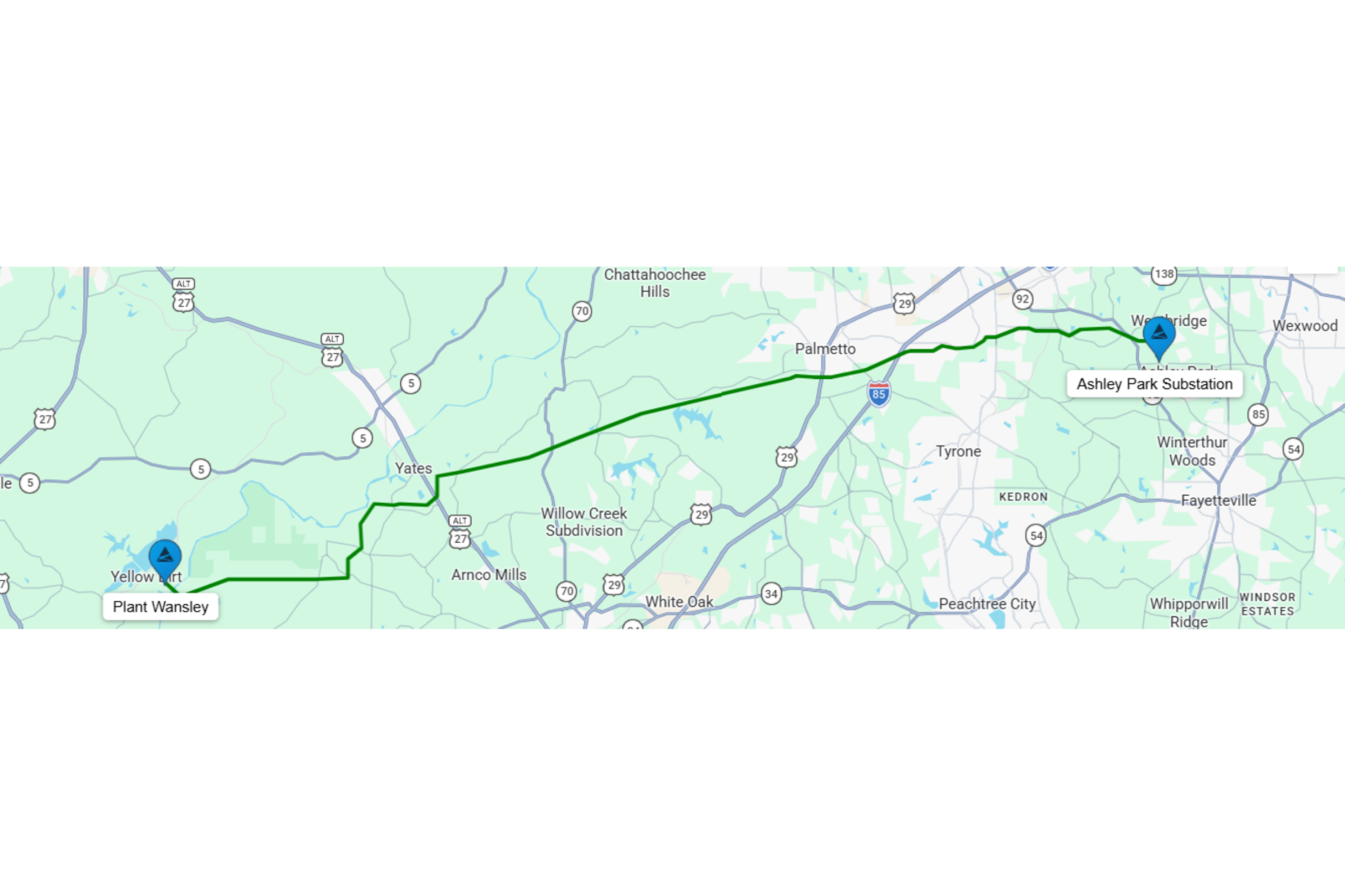
According to Georgia Power, the Ashley Park-Wansley 500-kilovolt transmission project involves a 35-mile line connecting the Ashley Park Substation in Fayette County and Plant Wansley in Heard County. The utility claims the project is crucial for strengthening and expanding the electric grid to meet Georgia’s growing energy needs.
Brown has argued that this project would destroy property intended to remain within her family for generations. In an interview with Marjorie Taylor Greene’s “Life With MTG” program, Brown expressed, “They’re going to completely demolish it to the ground and all of the buildings that belong to my mom as well. We’ll never be able to come back here.”
She described the home as a source of “generational wealth,” a significant part of the American dream, which is now being jeopardized. The interview brought national attention to Brown’s campaign against the use of eminent domain for such infrastructure projects, which she feels primarily benefits data centers.
Understanding Eminent Domain
Eminent domain allows governments and certain utilities to acquire private property for public-use projects, with appropriate compensation for property owners. This concept is rooted in the Fifth Amendment to the U.S. Constitution, ensuring “just compensation” for taken private property.
Under Georgia law, electric utilities are permitted to exercise eminent domain for transmission-line projects, provided they meet public notice, routing, and landowner-negotiation requirements. This empowers utilities like Georgia Power to compel the sale of property needed for necessary power-line projects.
Opponents, including Brown, argue that infrastructure primarily supporting private data centers should not qualify as public-use projects.
Georgia Power’s Position
Georgia Power has defended the project and its land acquisition process. The company describes the transmission line as “critical infrastructure” essential for enhancing grid reliability and supporting energy needs.
According to a company spokesperson, eminent domain is employed only as a last resort, and nearly 70 to 80 percent of demand on the new line is expected to come from data center growth. The remaining demand will support residential and commercial customers.
For Brown, the issue extends beyond compensation. After months of advocacy and public engagement, her recent post marked the conclusion of her campaign. It highlighted the complex tension between the rise of AI, power infrastructure expansion, and private property rights.