Georgia’s Lethal Injection Secrecy and Rising Costs
Before joining ProPublica in 2021, I spent a year investigating Carlo Musso, a Georgia prison doctor known for his public discussions on his involvement in lethal injections. With Musso no longer in his role, I sought to uncover his successor’s identity through open records requests. However, Georgia’s secrecy law, shared by over a dozen states, prevents disclosing information about personnel involved in lethal injections.
Georgia has fought hard to keep these records secret, claiming the law protects those involved from harassment by death penalty opponents. Despite initial denials, a panel of judges eventually ruled in my favor, allowing the release of some documents. These documents revealed new details and revived questions surrounding Georgia’s lethal injection methods.
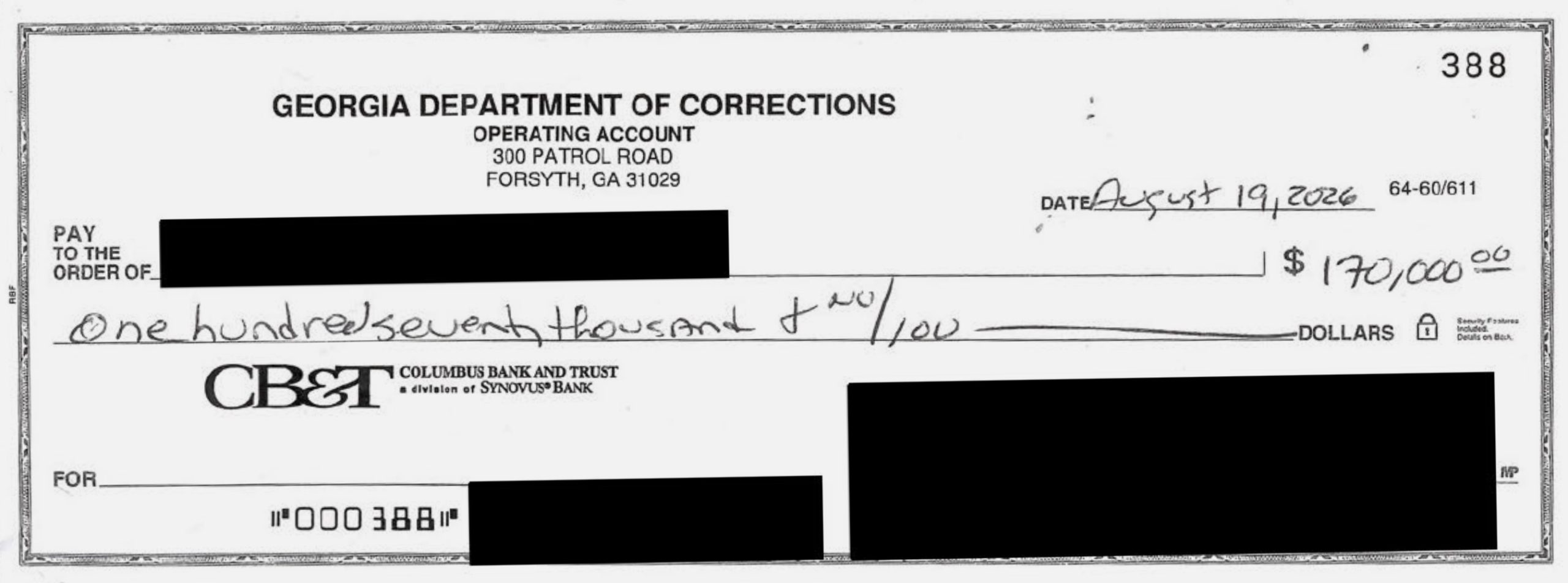
Among the findings: since the COVID-19 pandemic, Georgia has paid over $1.1 million to contractors assisting the Corrections Department with lethal injections. During this time, only one execution took place. The state now spends significantly more on lethal injection processes than it did prior to 2017, averaging over $150,000 annually, according to the records.
Secrecy laws like those in Georgia obscure the growing costs of drugs used for executions and the medical staff administering them. Legal experts suggest these costs highlight the difficulties officials face finding assistance for executions, considering the potential for these drugs to subject prisoners to severe pain. Deborah Denno, a Fordham law professor, comments on the excessive spending, indicating it reflects systemic issues in the lethal injection process.
The Georgia Department of Corrections, along with the state attorney general’s office, declined to address questions about their escalating costs and secrecy. They assert the secrecy law is crucial for resuming lethal injections without backlash against involved parties.
“You wouldn’t have to pay this much money if the lethal injection process was an acceptable one,”
The recent decision by the Georgia Supreme Court lifting a pause on executions means Georgia scheduled its first execution since 2015. This move is likely to reignite scrutiny of the processes and those involved.
Georgia’s transition from electric chair to lethal injections in the early 2000s led to heightened secrecy. Increasing pressure from death penalty opponents prompted pharmaceutical companies to stop selling states the necessary drugs. By the late 2000s, drug shortages forced states to seek alternative sources, including Georgia’s infamous 2011 drug purchase fiasco from a London-based wholesaler.
In 2013, as Georgia’s supplies dwindled, the state began sourcing drugs from compounding pharmacies—minimally regulated entities that customize drugs for patients. This transition met opposition from medical experts concerned about unpredictable and painful reactions from these drugs.
Georgia’s response included enacting the Lethal Injection Secrecy Act. This ensured contractor anonymity, defending it vigorously in court. Prior reporting on this secrecy law revealed its impact on cases like Warren Lee Hill’s in 2013. Hill’s scheduled execution involved drugs from a compounding pharmacy, but legal arguments over drug transparency delayed his execution by lethal injection until 2015.
States including Texas, Indiana, and Arizona have also spent heavily on maintaining confidential drug supplies. Meanwhile, defense attorneys continue efforts to access more information on execution processes, but without success in Georgia.
Reports demonstrate extensive funding across different states for lethal injection contracts. Oklahoma’s expense for a doctor per execution rose from $300 to $15,000, while the ACLU found significant federal spending on execution resources.
Initially withheld records from Georgia’s Department of Corrections were later released after legal proceedings, albeit heavily redacted. These records disclosed the state’s commitment to contractor protection, often obligating taxpayer funds for contractor legal defenses.
Despite policies requiring detailed financial records, my request revealed only partial documentation consisting of handwritten checks with minimal context about expenditures—falling short of comprehensive agency invoices. When confronted with the absence of more detailed records, the Corrections Department acknowledged their non-existence.