Greenland’s Seal Hunting Tradition: Survival and Economy
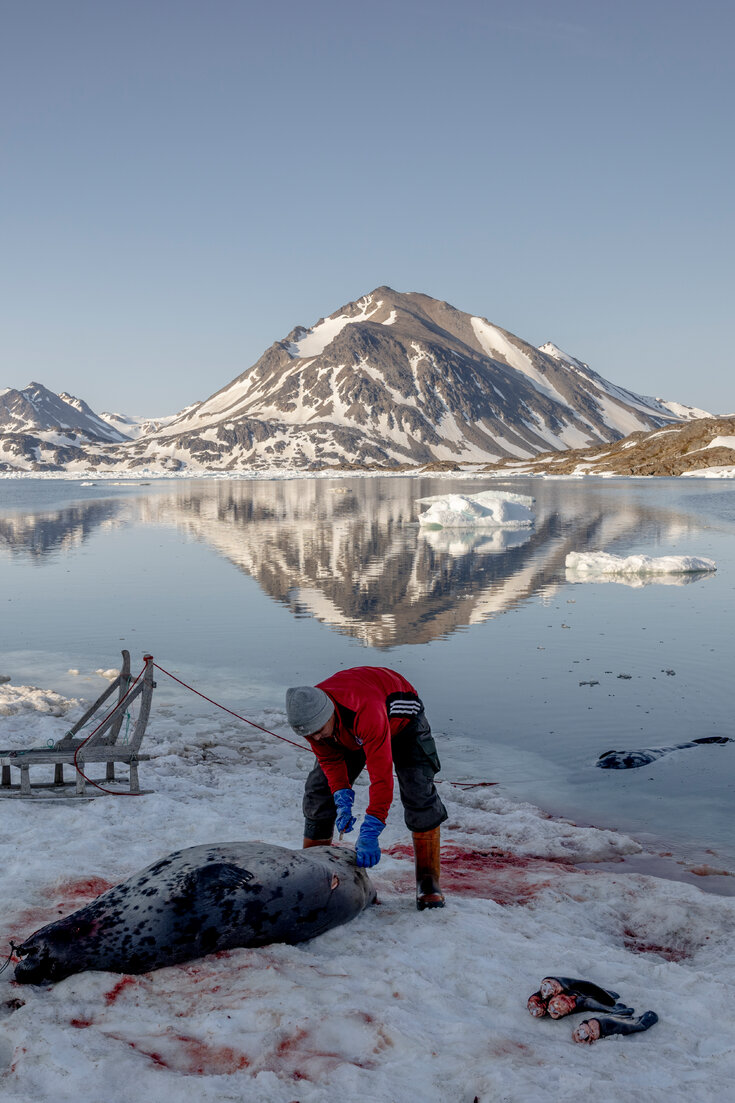
In the waters around Kulusuk, Greenland, Anganni Mikaelsen navigated his boat past icebergs. Suddenly, a seal appeared on the surface.
Mr. Mikaelsen, like many Greenlanders before him, hunted seals. Seals are crucial to life in Greenland. Residents consume seal meat, use sealskins for clothing, and create jewelry from their bones. Seals provide essential resources in a harsh environment. Their significance to Greenland’s people cannot be underestimated.
Although international organizations have long opposed seal hunting, branding it as cruel, Greenland maintains its practices. Some nations, such as the United States, prohibit seal products, though indigenous hunting sometimes receives exemptions.
In Greenland, the sealskin trade thrives. Inuit hunters rely on this industry for income. Once seals are butchered, their skins undergo a transformative process to become clothing. First, fat is removed with rollers. After washing with soap, they soak in fresh water to eliminate salt and blood. Subsequent steps involve more cleaning, dyeing, and cutting.
The Great Greenland tannery in Qaqortoq operates robustly, producing sealskin pelts, hats, mittens, and high-end jackets priced over $1,000. Walking through Nuuk, the capital, shops exhibit sealskin attire, and museums display exhibits dedicated to seal culture. Statues honoring seals abound.
“No seal, no life,” Frederick Willie, a local schoolteacher, aptly remarked.
Mr. Mikaelsen acknowledged the criticisms surrounding seal hunting, yet felt outsiders fail to grasp its importance. Seals sustain his family. In Kulusuk, entire families gather at the harbor to process the catch together.
As Mr. Mikaelsen rode away, leaving crimson traces in the water, he sang contently.
“This will last us five or six days,” he stated with a smile. “And it will be good eating.”