Growing Tensions and Peace Efforts in the Russia-Ukraine Conflict
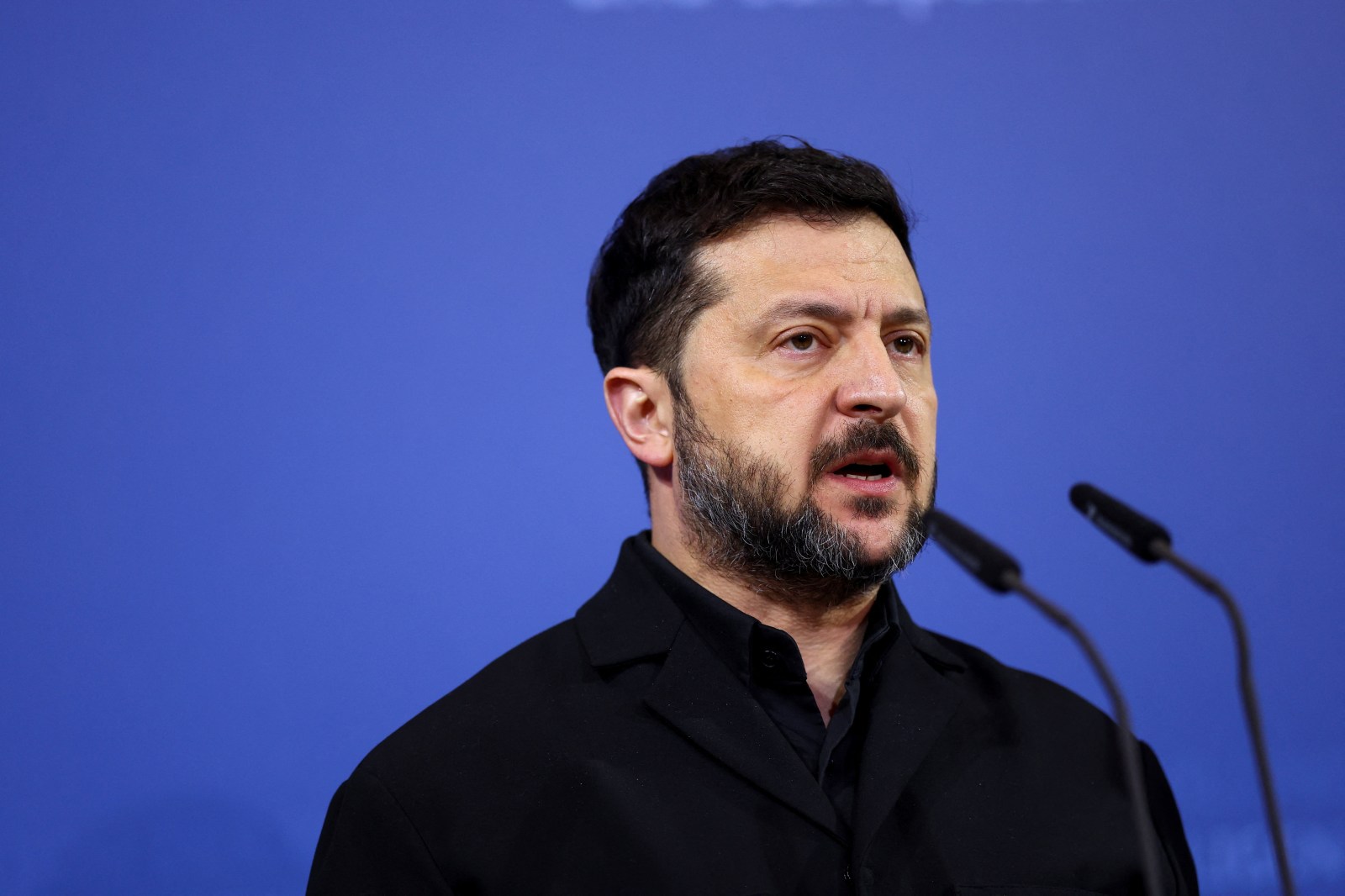
The Russia-Ukraine conflict presents two seemingly opposing trends. On one hand, the conflict is escalating, with Ukrainian attacks on Russian vessels in areas as distant as Finland and Libya. On the other hand, there is a rising push for a peace deal, with U.S. officials indicating Russia’s acceptance of a NATO-style security assurance for Ukraine.
Discussions are ongoing in Abu Dhabi regarding a potential agreement by January 2027. As peace seems more attainable, both parties are motivated to improve their positions, intensifying military actions.
Context of Escalation
Recently, three Russian missiles landed in southeastern Poland, a NATO ally bordering Ukraine. One landed close to a European military exercise site, seen as a preparation for a future mission in Ukraine. It was described by Poland’s Prime Minister, Donald Tusk, as an “intentional provocation.”
Trump, Vladimir Putin, and Xi Jinping issued a “Declaration toward Peace” in China that did not mention Ukraine but emphasized strategic stability. However, Putin later dismissed any ceasefire on energy infrastructures or the Black Sea, leading to more Ukrainian casualties.
The situation worsened over the weekend, with Ukrainian drones igniting a Russian cargo ship and sinking a Russian corvette in Libya. This activity signals to Russia that its assets are not safe.
Potential for Peace
Trump suggests there is a “real good chance” of a peace agreement for Ukraine soon. Jared Kushner, his envoy, indicates that Russia may be comfortable with NATO-esque security for postwar Ukraine.
Historical precedents, like the Korean Armistice talks, show that discussions can unfold amid active conflict. About 45% of U.S. casualties in the Korean war occurred during peace negotiations.
Ukrainian President Zelensky has designated Russian and weapons-carrying ships as legal targets. Russia is targeting Ukraine’s power grid more aggressively to apply pressure.
Complexity of Negotiations
Negotiation expert I. William Zartman noted that mutual stalemates often lead to settlements. However, as seen in past conflicts like the Cuban Missile Crisis, talks hinge on the perception of imminent catastrophe.
Russia opposes a NATO-like setup for Ukraine, creating contradictions in negotiations. Despite some achievements, such as prisoner exchanges, significant breakthroughs remain elusive.
Risks of Escalation
The current conflict resembles the 1914 war escalation through alliances and misjudgments. Ukrainian drones attack from Libya, complicating geopolitical dynamics.
Russia’s hybrid warfare tactics pose risks to European NATO allies. Conflicts could inadvertently trigger NATO’s Article 5, compelling collective military action.
As Lieutenant General Matthew Jones suggests, while Russia might not seek a NATO conflict, miscalculations are a real danger.
Resolving the Russia-Ukraine issue could bolster European security and prevent miscalculations. However, as seen in Korea, lengthy negotiations might continue amid ongoing conflict.