Health Crisis in Boyle Heights: The Aftermath of the Lineage Warehouse Fire
Boyle Heights residents faced a significant health crisis after a fire at a cold storage facility persisted for several days, according to a recent study. St. John’s Community Health conducted the study, which linked many health problems, including respiratory infections, eye disorders, and persistent coughs, to toxic exposure and smoke inhalation from the fire.
The report gathered health data from 1,306 patients treated at mobile clinics over six weeks following the June 17 fire. Jim Mangia, CEO of St. John’s Community Health, remarked on the severe health impacts observed from the Lineage fire, which echoed the community’s experiences. Air quality near the warehouse recorded dangerously high smoke and soot levels, exceeding the worst pollution during recent Los Angeles County fires.
Emergency room visits for throat pain and concerns over smoke inhalation surged during this time. While Lineage declined to comment on the study, St. John’s Community Health shared data from three mobile clinics deployed after the fire. Among the patients, 35.9% met fire-related exposure criteria, showing symptoms like respiratory infections, eye disorders, and asthma exacerbations. The overwhelming majority of those affected were Latina women, with over 91% being Latino and more than 64% being female. Most patients were 50 or older, and others reported anxiety, stress, and insomnia symptoms.
Boyle Heights resident Myrna Silva and her family, living near the warehouse, have dealt with bronchial problems, relying on air purifiers at home. City Councilmember Ysabel Jurado emphasized the incident as a public health emergency, advocating action from the Los Angeles Housing Department. This includes finding funds for HVAC cleaning, odor remediation, and air filtration systems for affected households.
Recovery efforts are ongoing. Jurado insists Lineage and responsible parties should cover the full recovery costs. Local residents, like Martin Ramirez and Lissett Navarret, shared their struggles with foul odors and related health issues.
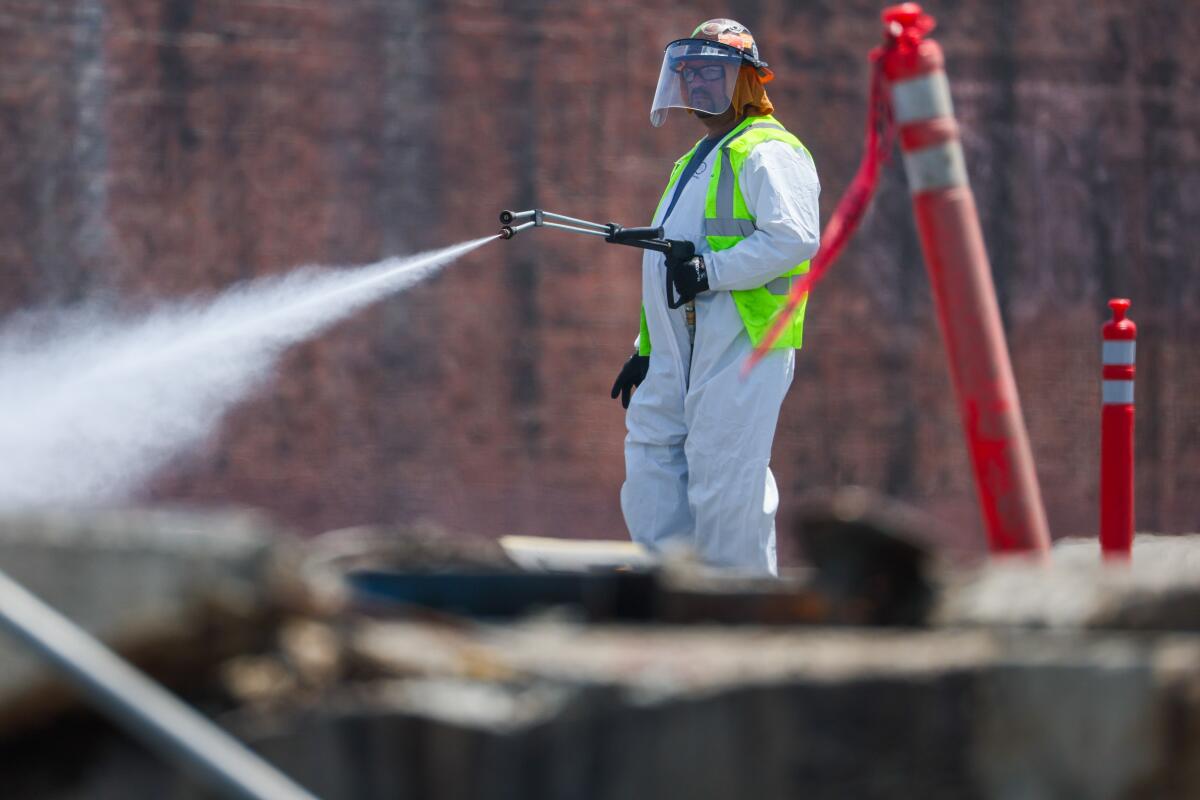
Lineage stated they are concluding efforts to remove food from the site following the fire. The fire, starting on the roof of the vast warehouse, heightened health concerns due to spreading smoke. Despite two shelter-in-place orders when the fire neared an ammonia line, no ammonia was reportedly detected.
The fire, which officially ended on June 24, left 88 million pounds of decomposing food inside, continuing to affect the community afterward with strong odors. Residents complained of nausea, headaches, and loss of appetite due to the stench.
Construction crews are progressing with cleanup, though Lineage missed a mayoral cleanup deadline. They are facing fines, but these are minimal compared to the company’s valuation over $4 billion. Community organizer Alma Marquez called the report a validation of resident experiences but advocated for a more comprehensive study to assess the fire’s full health impacts.
While patient numbers at clinics have decreased, concerns persist about other site-related issues, including pests. Mangia urged health providers to focus on both immediate and long-term fire-related health effects. As cleanup proceeds, the presence of flies and rats remains a significant problem in Boyle Heights.
Marquez also highlighted potential underreporting of symptoms, as many residents self-manage health problems without seeking medical care. She warned that this leads to incomplete data and overlooks those suffering at home.