Hollywood’s Critique of Tech: A Shift in Narrative
In 2014, a film about a conceited inventor hit theaters. This movie, The Imitation Game, celebrated Alan Turing’s critical role in deciphering German intelligence, aiding the Allies in World War II. It was a box-office success and recognized with an Oscar.
Fast forward to 2026, a new wave of movies conveys a starkly different message. These films scrutinize tech leaders for their role in fostering violence, undermining democracy, misleading the public, and gambling with humanity’s future.
Changing Cinema Trends
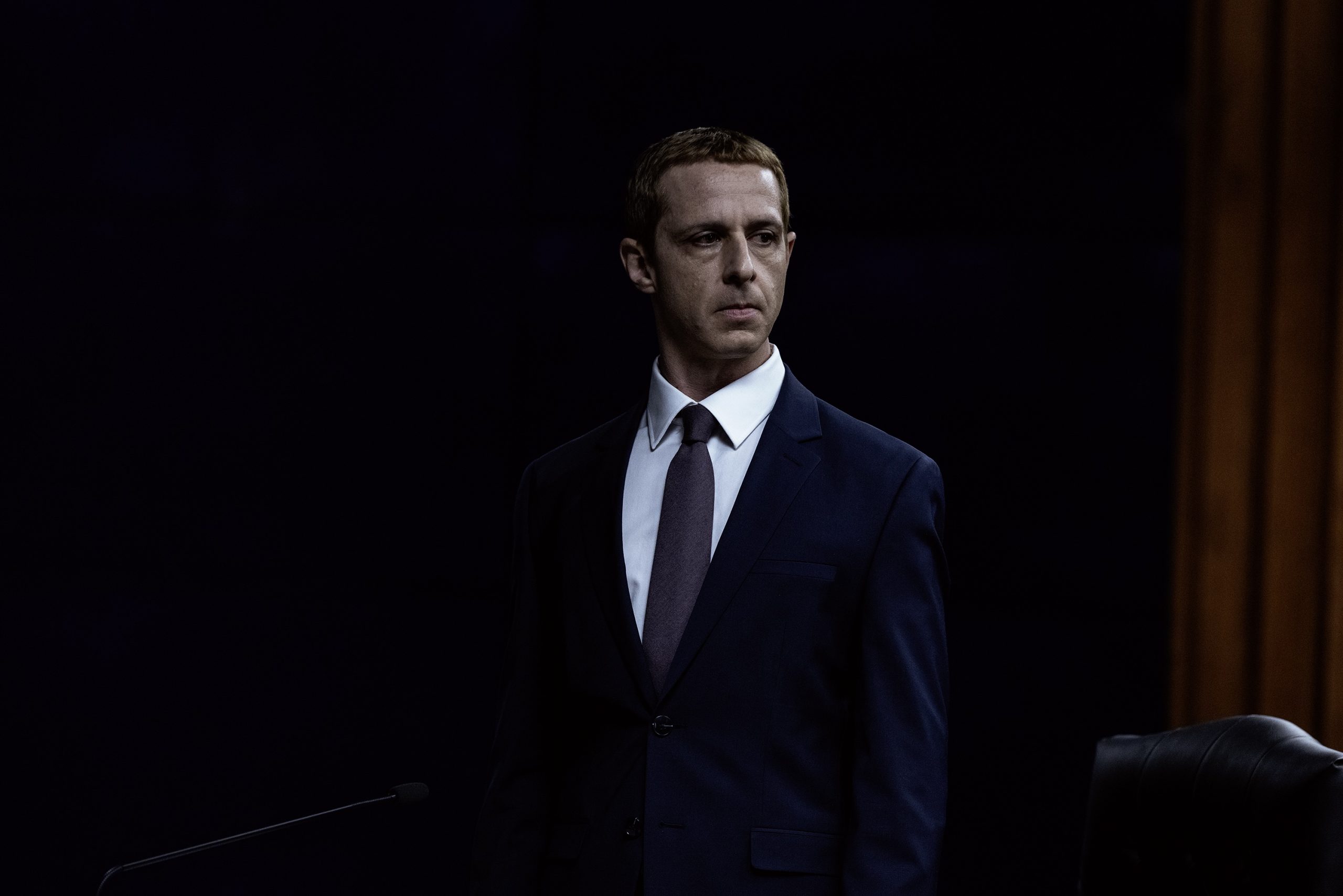
This autumn, the cinematic landscape shifts to critique past technological advancements. Films such as The Social Reckoning, Musk, You Can See Everything, and Artificial present a damning view of influential tech figures like Mark Zuckerberg, Elon Musk, and Elizabeth Holmes.
These narratives challenge their business practices and question the ethics of their strategies. Some movies even verge on activism, portraying protagonists challenging figures like Zuckerberg, who they believe only respond to pressure.
Tech Giants and Hollywood
Tech ventures pour billions into AI, which might face financial disaster if the public rejects their innovations due to these films. However, Hollywood faces an internal conflict, as billionaires deeply involved in AI largely control it. Musk threatened legal action against the director of Musk, while Amazon dropped Artificial from its line-up amid its $50 billion stake in OpenAI.
The Storytelling Shift
These films differ notably in their storytelling techniques. Alex Gibney’s Musk is a detailed documentary on Musk’s business missteps. The Social Reckoning, by Aaron Sorkin, follows Facebook whistleblower Frances Haugen’s disillusionment. You Can See Everything depicts a psychological confrontation between Elizabeth Holmes and filmmakers.
Despite different styles, all these films confront a central question: why do these flawed tech leaders act as they do? Traditionally, like in Orson Welles’ Citizen Kane, Hollywood depicted ambition springing from emotional wounds.
This latest cinematic line-up suggests an alternate view: these tech figures are astray due to a cold and detached mindset. Historically, figures like the PayPal Mafia chased growth at any cost, embedding risks and deception in the industry processes. Rather than resolving global issues, tech leaders seem focused on acquiring user base and profits.
Cultural Impact and AI
These films tackle the ethical dilemmas accompanying the tech industry’s shifts from social media to AI. A particularly notable work is NAZA, a documentary filmed in Tel Aviv, addressing AI’s role in mass surveillance and military actions in Gaza.
Films like Musk convey apocalyptic concerns, depicting worst-case scenarios of AI missteps leading to existential threats. Gibney expressed high anxiety over tech companies’ bets on AI’s potential impacts on humanity.
Repercussions of a Critical Narrative
What remains to be seen is whether this critical wave of films influences public perception significantly. Although moviegoers might already distrust AI, stopping its use faces challenges, given its growing implementation across lives.
Despite these films’ pressing themes, they encounter mixed reception. The Social Reckoning grossed $17 million, falling short of The Social Network’s $225 million. In response, tech leaders limit media access, preferring amiable platforms over critical scrutiny.
Given dominant tech control over media outlets, future productions criticizing them might struggle for resources and attention. AI’s progression threatens to automate storytelling processes, potentially eradicating human roles in filmmaking. As the predicament unfolds, Hollywood positions itself against powerful tech entities, fighting to maintain relevance in a landscape captured by AI development.