House Bill Proposes Additional Funds for Fresh Produce
Overview of the Proposed Bill
A new bill introduced in the House aims to provide additional monthly benefits to eligible households to purchase fruits and vegetables. Known as the Fresh Bucks for Fresh Produce Act, the legislation was put forward on July 2 by Democratic Representative Pramila Jayapal along with several party cosponsors. The bill seeks to initiate a pilot program under the U.S. Department of Agriculture (USDA), providing $60 monthly benefits specific to fresh produce purchases for lower-income households.
Significance of the Legislation
SNAP has been a contentious subject in Congress, creating divides between Republicans and Democrats over its future scope and size. The proposed bill emphasizes that healthier food options, particularly fresh fruits and vegetables, remain out of reach for numerous families due to high grocery prices and restricted access in food-insecure areas. The extra funds through this bill would aim to bridge this gap.
Details of the Fresh Bucks for Fresh Produce Act
The introduced legislation proposes a federal pilot program managed by the USDA. It would allow eligible households to receive an extra $60 each month explicitly for purchasing fruits and vegetables. Although SNAP households could benefit, the bill extends eligibility beyond SNAP recipients to any household earning 80 percent or less of their area’s median income. This provision means households already benefiting from SNAP would automatically meet the income requirements. States are instructed to implement systems minimizing paperwork for SNAP households.
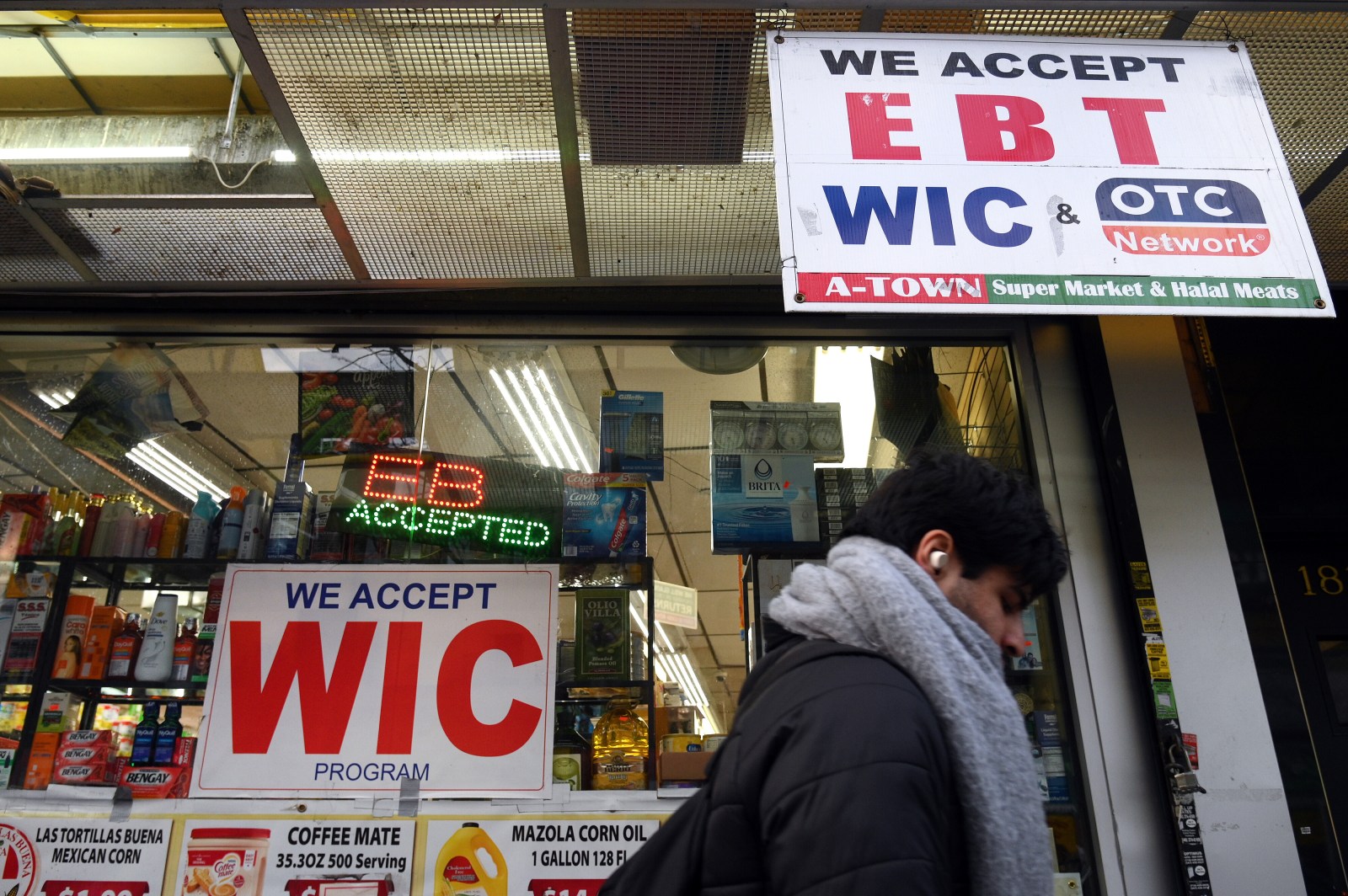
Monthly payments could be processed through the government’s Electronic Benefits Transfer (EBT) system. Eligible foods in the program would include fresh, frozen, or dried fruits and vegetables with no added fat, sugar, or salt, along with herbs and certain plant starts.
Implementation of the Pilot Program
The legislation intends to start with a pilot program through state-awarded grants rather than nationwide implementation. The USDA is required to ensure diverse regional representation by selecting states from each major U.S. region. States should focus on food-insecure communities. Participating states would collect data relating to food security and produce consumption to evaluate the program’s impact on nutrition and healthy food access.
Financial Outlook and Challenges
Similar programs like SNAP and WIC have demonstrated cost-effectiveness by saving more dollars long-term than their upfront funding. However, concerns about budget allocation and the financial source for this proposal remain. The legislation mandates that households on SNAP meet income requirements and calls for minimized paperwork. Monthly payments would be set at $60, recurring for eligible households.
Future Prospects of the Bill
The bill is currently under review by the House Agriculture Committee. Even with congressional approval, it would establish a five-year pilot program rather than a permanent benefit. The USDA must report preliminary results within 12 months of enactment, with a final report after five years.