House Lawmakers Push for Colorado River Emergency Funding Amid Drought Crisis
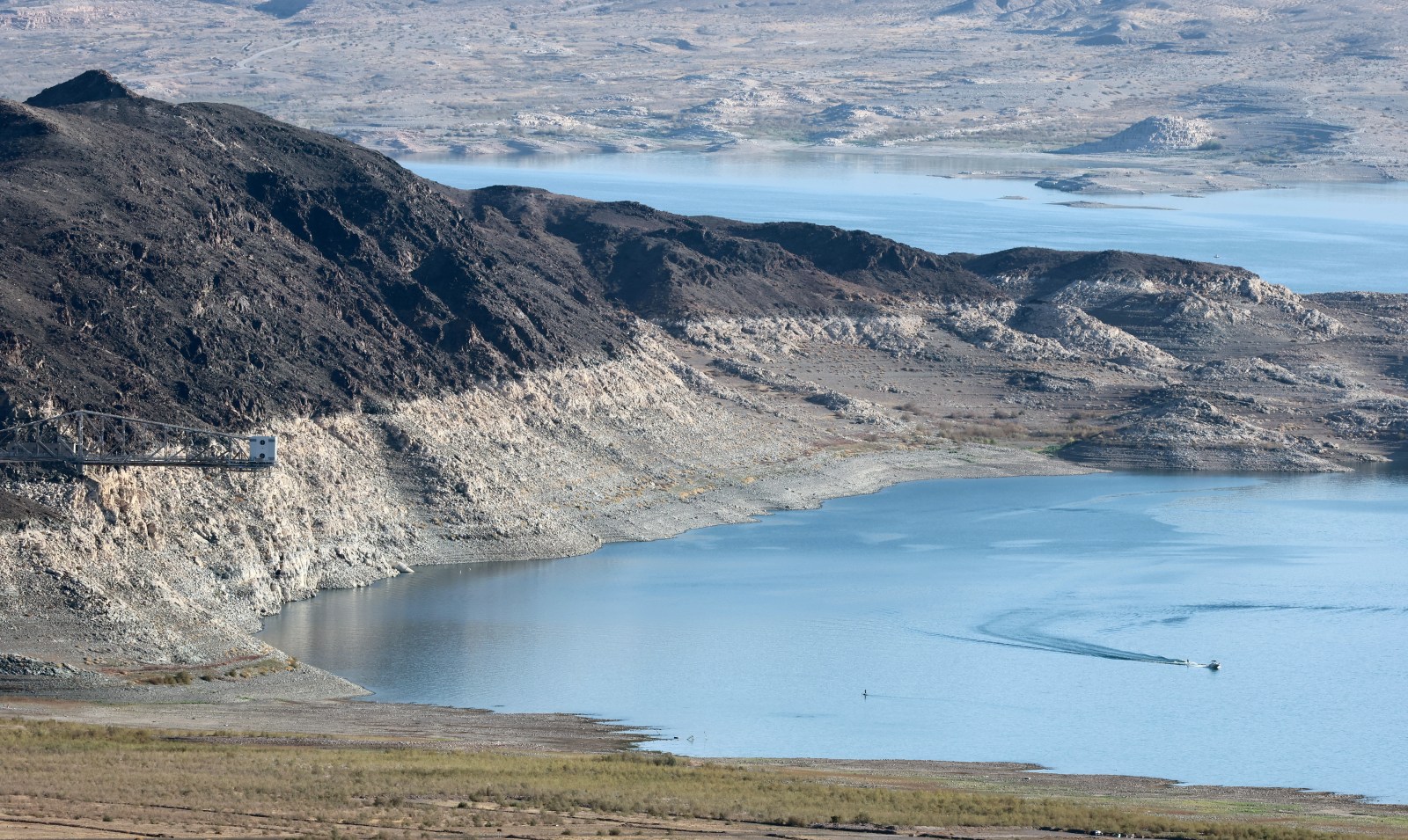
Lawmakers Urge for Emergency Funding
A group of bipartisan House lawmakers is advocating for the inclusion of emergency funding for the Colorado River in an upcoming supplemental appropriations package. They highlight that the worsening drought and decreasing reservoir levels pose a threat to regional water supply, agriculture, power sources, and industry. This request was made in a July 17 letter addressed to congressional leaders including GOP Speaker Mike Johnson, House Minority Leader Hakeem Jeffries, Appropriations Chair Tom Cole, and ranking member Rosa DeLauro.
Impact of Prolonged Drought
Representatives Andy Biggs of Arizona, a Republican, and Dina Titus of Nevada, a Democrat, emphasized the need for emergency funding that addresses national security risks stemming from the Colorado River Basin’s drought conditions. They pointed to threats posed by prolonged drought and decreasing water levels, affecting millions of residents.
Federal investments are seen as vital in strengthening water supply resilience and reducing consumptive use in the basin. The letter notes that the river services one in ten Americans for drinking water and supports 90% of U.S. winter produce crops. Additionally, the Hoover and Glen Canyon dams generate electricity for 2.5 million people. The entire river system contributes over $26 billion annually to the outdoor economy.
National Security Concerns
Lawmakers linked the river’s health to national security, underscoring its importance to advanced manufacturing, aerospace, and defense industries across the western United States. They reported that the river’s natural flow measurements are now averaging 20% lower than during the 20th century.
“For desert dwellers, nothing is more important than protecting and cultivating our water resources,” Rep. Biggs stated.
This crisis is not exclusive to the Southwest. It affects national industries dependent on the river’s resources.
Allocated Funds Depleting
Congress had previously allocated $4 billion for drought mitigation in Western states with a focus on the Colorado River Basin. However, lawmakers indicated that less than $100 million of those funds remain. Projections suggest extreme spring temperatures and historically low snowpacks will cause Lake Powell to drop to 3,504.32 feet and Lake Mead to 1,037.03 feet by December 2026.
States Negotiating Water Agreements
A broader plan for Lake Mead and the Colorado River system is expected soon as the states served by the river negotiate new agreements. Interior Secretary Doug Burgum recently held a virtual meeting with the governors of the seven states involved to discuss future management strategies.
These states, including Wyoming, Utah, Colorado, New Mexico, Arizona, California, and Nevada, are working to finalize new water-sharing agreements. Current guidelines are set to expire this year. Bureau of Reclamation projections indicate Lake Mead may fall below its previous record low level by the end of the upcoming month and sink 31 feet lower by mid-2028.
Rep. Titus stressed the urgency, stating, “We can wait no longer to address this crisis and the impacts it will have on the millions of people who rely on the Colorado River.” The letter was supported by several representatives, including Melanie Stansbury, Elijah Crane, Gabe Vasquez, Greg Stanton, J. Luis Correa, Yassamin Ansari, Jim Costa, Adelita Grijalva, Abraham Hamadeh, and Paul Gosar.