Impact of Gender Differences on Obesity Explained by New Study
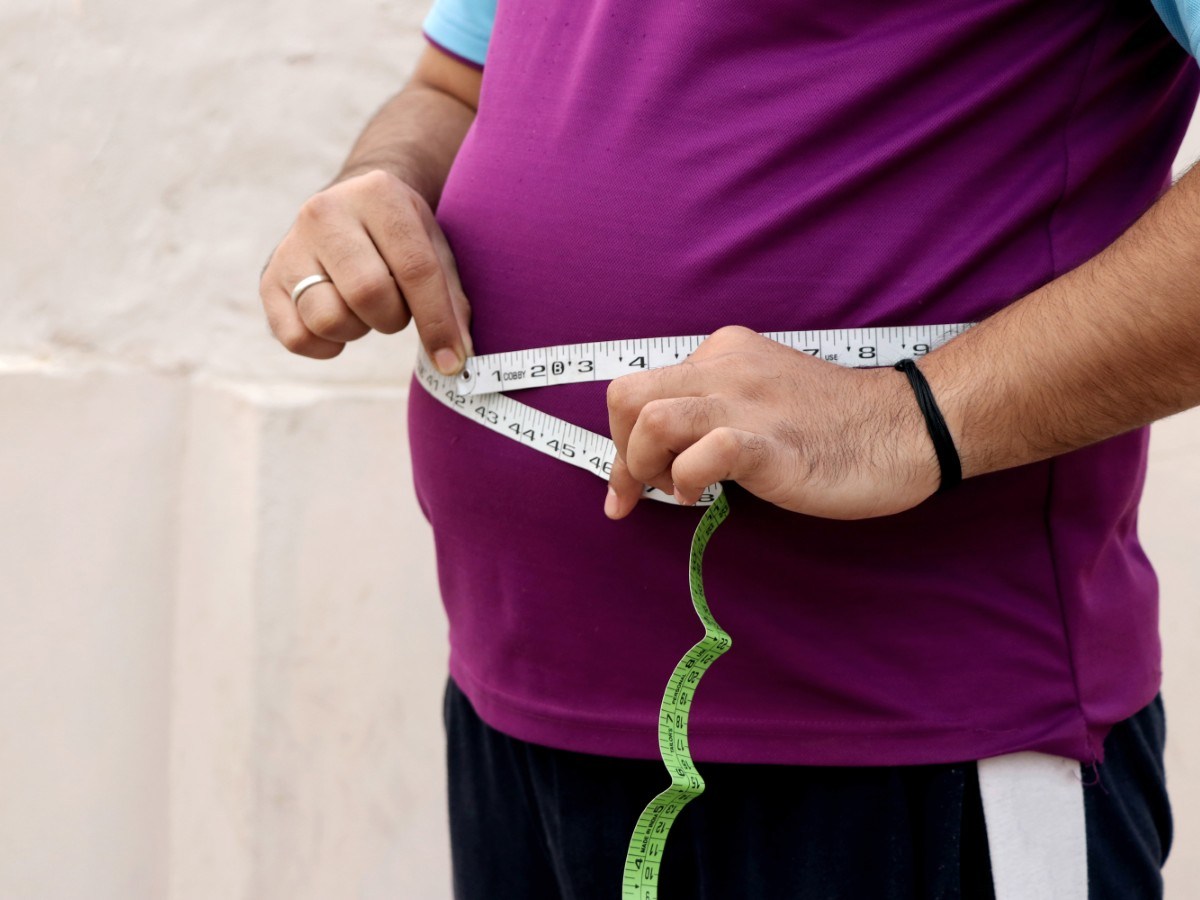
Previous studies have shown that obesity impacts men and women differently. Recent research conducted at the University of California, Riverside, has offered insights into why this might be. The study focused on mice and discovered that certain immune cells behaved differently across genders. These findings could challenge the traditional view that eosinophils, a type of white blood cell, function uniformly between males and females. This may open avenues for more precise treatments.
Study Highlights Biological Differences
Professor Meera Nair from the University of California, Riverside, emphasized that biological sex plays a significant role in immune cell function. Male and female immune systems should not be considered identical. Eosinophils, like many immune cells, may adjust their function depending on tissue conditions, sex, and external factors.
Professor Nair noted that our metabolic health significantly depends on how immune cells perform in fat tissue. Targeting and reprogramming these cells could enhance health outcomes. The study’s findings were published in PNAS Nexus in November.
Sex Differences and Health Implications
Research indicates that women generally exhibit a higher prevalence of obesity. However, men tend to accumulate more visceral fat in the abdomen, elevating their risk for cardiovascular disease and type 2 diabetes. Factors such as estrogen’s role in fat storage, differences in gut microbiome, and sociocultural influences like body image and healthcare behaviors may explain these differences.
Key Findings of the Study
The study on mice revealed six different eosinophil clusters in fat tissue. Each cluster served a distinct function, with some potentially providing obesity protection. Nair explained that eosinophils normally help maintain the fat tissue environment by controlling inflammation and metabolic balance.
“Eosinophils can be seen as cellular caretakers managing inflammation and coordinating other cells in fat tissue to prevent metabolic and cardiovascular diseases,” said Nair.
Nair suggested that the ‘quality’ of eosinophils is vital. Female mice displayed a helpful eosinophil cluster, cooperating well with macrophages, another immune cell type. In contrast, male mice formed pro-inflammatory eosinophil clusters, especially when fed a high-fat diet.
The female mice maintained a balanced immune environment that shielded them from weight-related inflammation and metabolic disease. Male mice, however, showed inflammatory cell populations and disrupted cell communication, leading to obesity-related tissue inflammation.
Implications for Treatment
Nair stressed that increasing eosinophil count might not be the answer. Instead, the study points to the potential for targeted cellular reprogramming. This approach suggests modifying the genetic structure of inflammatory eosinophils to mimic protective ones found in females.
While these findings are based on mice, evidence of eosinophils in human fat tissue exists. Higher eosinophil counts correlate with increased obesity risk in humans.
Dr. Caroline Apovian from the Mass General Brigham Weight Center mentioned that women are generally protected from visceral fat and inflammation due to hormonal differences, especially estrogen, until menopause.
“Fat tissue is an endocrine organ. Hormones and immune cells play crucial roles in endocrine communication from fat to other organs such as the brain, heart, and liver,” stated Apovian.
The study links obesity to disease, demonstrating that energy regulation involves hormones secreted by fat and other organs, including sex organs, the gastrointestinal tract, and the brain.
Researchers involved in this study include Rebecca E Ruggiero-Ruff, Xinru Qiu, Lauren Vance, Yuxin He, Djurdjica Coss, Adam Godzik, and Meera G Nair.
For more details, consult the research article in PNAS Nexus.
Contact Newsweek editors Kara Dolman and Paul Donnelley for further information.