Impact of New SNAP Requirements on Americans and the Job Market
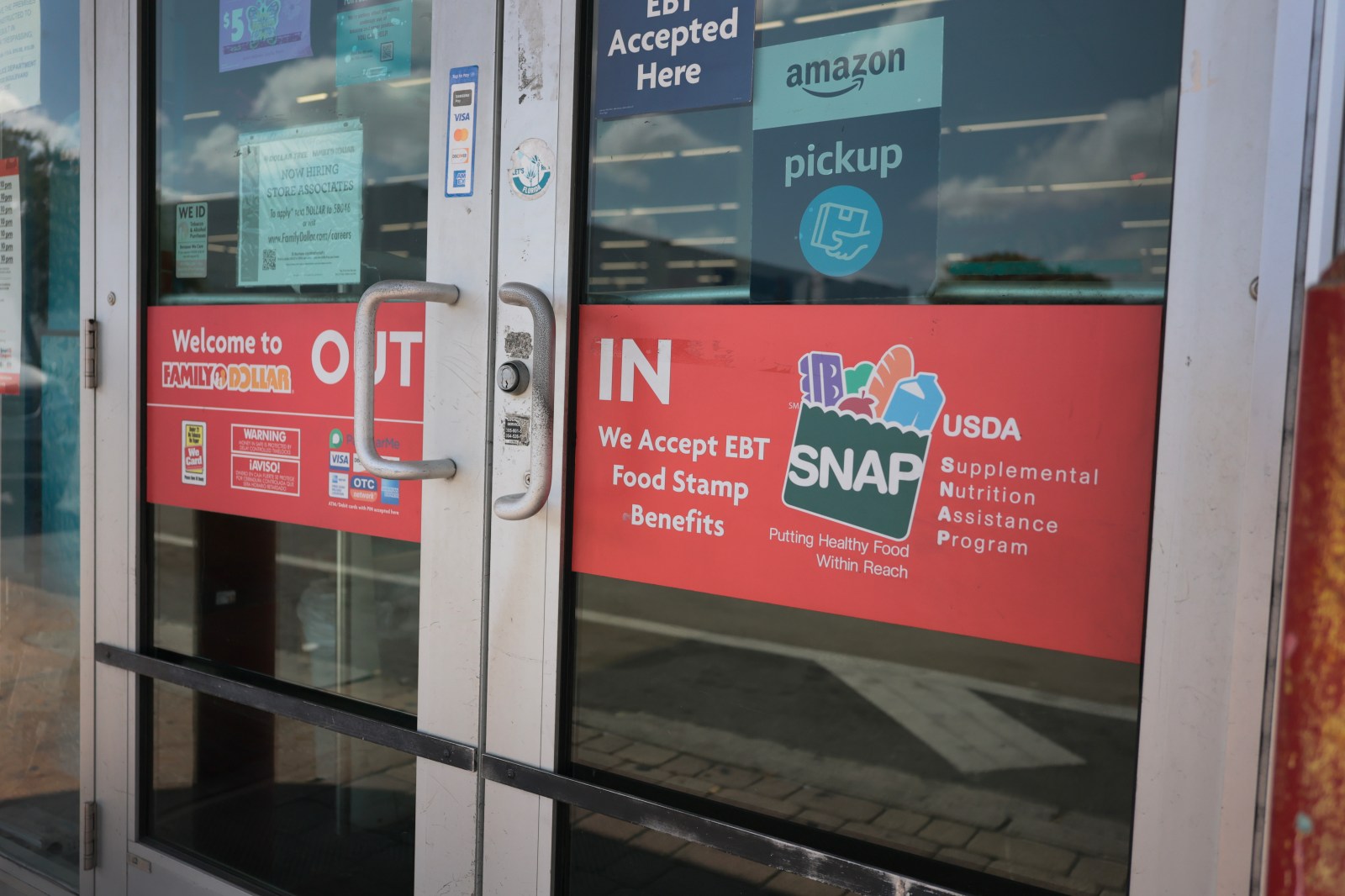
Millions of Americans are losing access to federal food assistance due to new Supplemental Nutrition Assistance Program (SNAP) requirements. These changes are affecting the already-strained job market. The Center on Budget and Policy Priorities reports a drop of over 5 million SNAP participants, or about 13 percent, since last July. This decline follows tightened eligibility standards and expanded work requirements introduced by Republicans.
Challenges for Individuals and Businesses
These new requirements pose additional challenges for those struggling to find stable employment and meet basic needs. Experts warn of potential negative impacts on businesses. HR consultant Bryan Driscoll told Newsweek, “The changes from the Trump administration send a clear message: get a job or go hungry. Never mind that millions of Americans already work and still can’t afford groceries.” Driscoll argues that losing food assistance does not create jobs, as individuals need transportation, childcare, internet access, and stability to secure employment.
“You can’t starve people into economic prosperity,” Driscoll stated.
The Dual Role of SNAP
SNAP serves as more than an anti-hunger initiative. It supports work efforts too. For the unemployed, SNAP benefits help cover grocery costs during job searches. Low-income workers also rely on it to supplement wages, which often fail to match rising housing costs. Businesses facing labor shortages may experience workforce challenges if employees struggle with transportation and childcare due to lost benefits.
New Legislation and Its Effects
The One Big Beautiful Bill Act (OBBBA), signed by President Donald Trump, expanded work requirements for certain adults and shifted administrative costs to states. Since its enactment, an estimated 5 million Americans, including over 1 million children, have lost benefits. While proponents argue this will push more people into the workforce, many believe it won’t translate into employment gains.
Lee Bowes, CEO of America Works, said, “The reduction in food stamps is happening at the same time all of America is experiencing increases, and inflation is outrageous.”
Bowes highlighted increased state contributions from 50 to 75 percent of costs, a burden that many states have not budgeted for, causing further issues.
Economic and Social Challenges
The Center on Budget and Policy Priorities notes that unemployment remains stable despite OBBBA, indicating a fall in SNAP enrollment not tied to labor market improvements. Lee Bowes criticized insufficient planning, saying, “The lack of planning, foresight, and public hearings has left out one of the biggest players in food stamps: the private sector.” A White House spokesperson, however, defended the measures, stating they aim to strengthen SNAP for those in need and ensure sustainability.
For job seekers, losing food assistance makes covering essential costs more difficult. Expenses such as transportation, internet, and childcare are crucial to finding work. Driscoll remarked, “Plenty of SNAP recipients already have jobs, working in an economy of poverty wages.” Households affected by reduced food assistance might allocate more income to groceries, reducing resources for job searches.
Business Implications
Businesses, too, suffer from reduced consumer spending, harming local economies. Inadequate nutrition correlates with increased stress and poorer health, making job retention challenging. Michael Ryan, a finance expert, noted that businesses might have to increase wages if food assistance cuts impact employee stability.
Future SNAP Changes
Upcoming SNAP modifications may result in states covering more costs if they exceed error-rate thresholds. Driscoll called the situation ironic: “We’re cutting food assistance to supposedly encourage employment while simultaneously making it harder for businesses to sustain that employment.” He emphasized the need for a strong workforce supported by adequate living conditions.