Impact of Oversized Defense Budget on U.S. Security and Economy
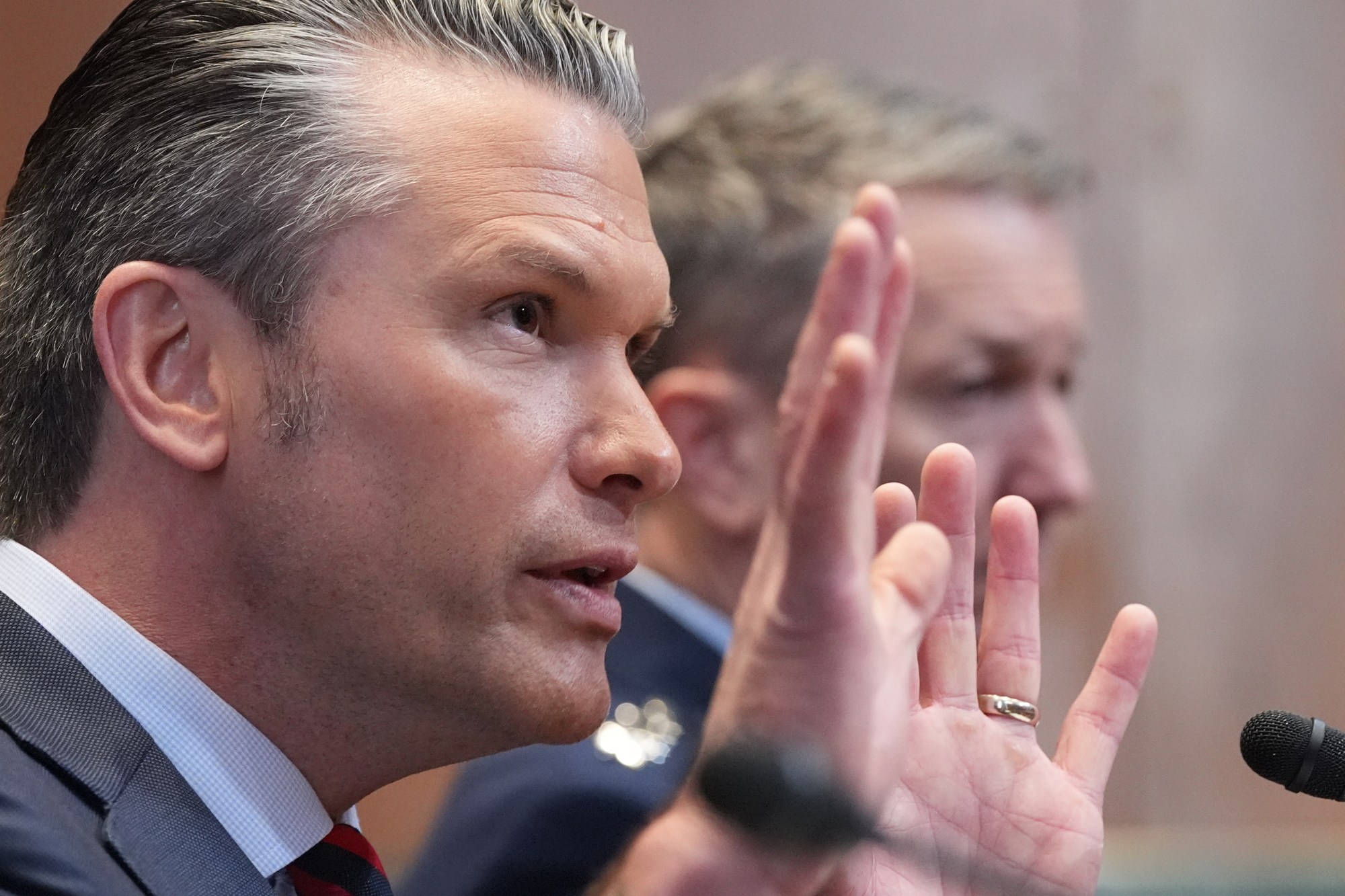
Defense Secretary Pete Hegseth addressed a Senate Appropriations subcommittee on the proposed $1.5 trillion defense budget for the Department of Defense. He emphasized the risks to the U.S. if Congress did not approve the full budget, suggesting that the nation’s safety was at stake. However, arguments have emerged that this approach misaligns spending with America’s strategic goals.
The House recently approved the fiscal 2027 National Defense Authorization Act and the current administration’s reconciliation bill. Critics argue that inflating threats and allocating excessive funds to defense could actually weaken the U.S. Those who support this view highlight that the budget prioritizes outdated systems like the B-1B bomber and the Minuteman III missile, which do not enhance security but incur high operational costs and stir instability.
Efforts to add outdated and unnecessary weaponry continue, such as navy battleships from the WWII era and a national missile defense system. Experts argue that these billions should focus on more practical military enhancements, like enhancing munitions production.
The administration seems to downplay long-term costs associated with borrowing, implying that future generations will bear the burden of high defense expenditure. Historically, funds borrowed for the Global War on Terror and the Iraq War have contributed to these deferred financial challenges, potentially leading to significant cuts in social programs or tax increases in the future.
Elevated defense spending is often seen as wasteful, with proponents claiming that it represents a small GDP percentage. Nevertheless, this spending overlooks potential savings that could address higher priority needs. Critics assert that the current approach of expanding the defense budget undermines the U.S. economically and strategically.
A more strategic route, according to analysts, would involve cutting the defense budget, reducing overseas commitments, and avoiding costly conflicts. This would strengthen economic power, ensuring funds are available for both infrastructure and military needs during crisis situations. It is crucial for U.S. policy makers to re-evaluate and align defense spending more closely with the nation’s economic and security priorities.
Benjamin D. Giltner, a defense and foreign policy analyst with the Cato Institute, offered these insights.