Impact of Super El Niño Expands Across U.S.
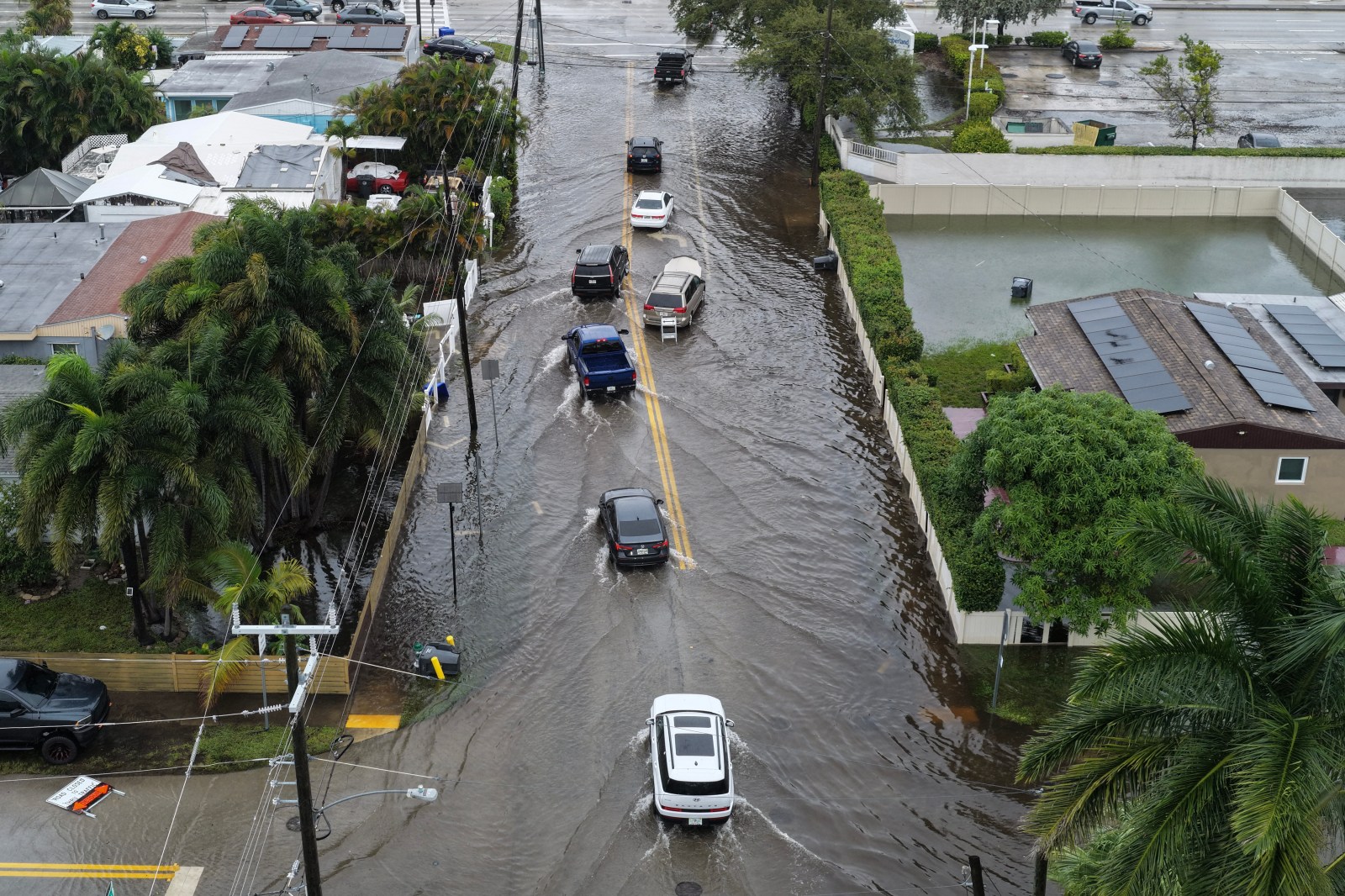
At least nine states have already been affected by extreme weather tied to the strengthening super El Niño in the Pacific. Meteorologists warn that conditions might worsen in the U.S. as winter approaches.
Florida recently faced extreme rainfall, while the Pacific Northwest experienced several atmospheric river events. Another storm is forming this weekend. The National Weather Service’s Climate Prediction Center updated the El Niño climate pattern, expecting it to strengthen and remain strong-to-very-strong through March next year.
Paul Pastelok, AccuWeather’s lead U.S. long-range forecaster, mentioned that El Niño’s effects could persist even after the peak is reached, which hasn’t happened yet. He stated, Just because the values start going the other way doesn’t mean El Niño still won’t be potent all the way through February or March.
The atmosphere takes time to adjust, suggesting a challenging period ahead.
Understanding Super El Niño
El Niño is a climate pattern in the tropical Pacific Ocean, identified by unusually warm waters affecting global weather. Many meteorologists and agencies refer to the current event as a super El Niño. It’s when ocean temperatures rise, generally by 2 degrees Celsius or more.
The current El Niño has surpassed this threshold. Recent measurements by the Climate Prediction Center show temperatures 4 degrees Celsius above average.
The U.S. has already experienced El Niño-related weather impacts. Recently, southeastern Florida saw heavy rain. Over the last day, parts of Broward County, Florida, received more than 20% of their annual rainfall, noted Washington Post meteorologist Ben Noll.
In addition to Florida, eight other states felt the effects. The Pacific Northwest faced several atmospheric rivers, impacting Oregon, Washington, and Northern California with heavy rain and coastal flooding. Southern California and the U.S. Southwest experienced impacts during the summer due to El Niño–influenced Eastern Pacific hurricane activities. Affected states include Arizona and southern Nevada, according to Pastelok.
Scott Lawrimore from The Weather Channel indicated a pattern where weather systems repeatedly impact the West Coast, Gulf Coast, and Florida this winter.
The Northeast also endured impacts from an early-season nor’easter, leading to flooding and power outages. Virginia, North Carolina, and Massachusetts were notably affected. Mississippi, Louisiana, Arkansas, and Tennessee were vulnerable but didn’t experience significant impacts.
Influence of Super El Niño on the U.S.
Warmer waters result in greater weather influence. In the U.S., El Niño leads to cooler, wetter conditions in the South and warmer, drier conditions in the North during fall and winter. It also affects storm patterns, influencing whether precipitation falls as snow or rain and affecting extreme cold spells.
Lawrimore and Pastelok confirmed that U.S. weather impacts aligned with meteorological predictions regarding El Niño’s timing.
Future Outlook
The West Coast, Gulf Coast, and Southeast should expect continued impacts through winter. Pastelok noted possible storm tracks across the central U.S., particularly affecting the High Plains in areas like Omaha, Nebraska, and Kansas City, Kansas. Monitoring forecasts and staying prepared is advised as storms develop.