Impact of Weak Jobs Report on Federal Reserve’s Rate Decisions
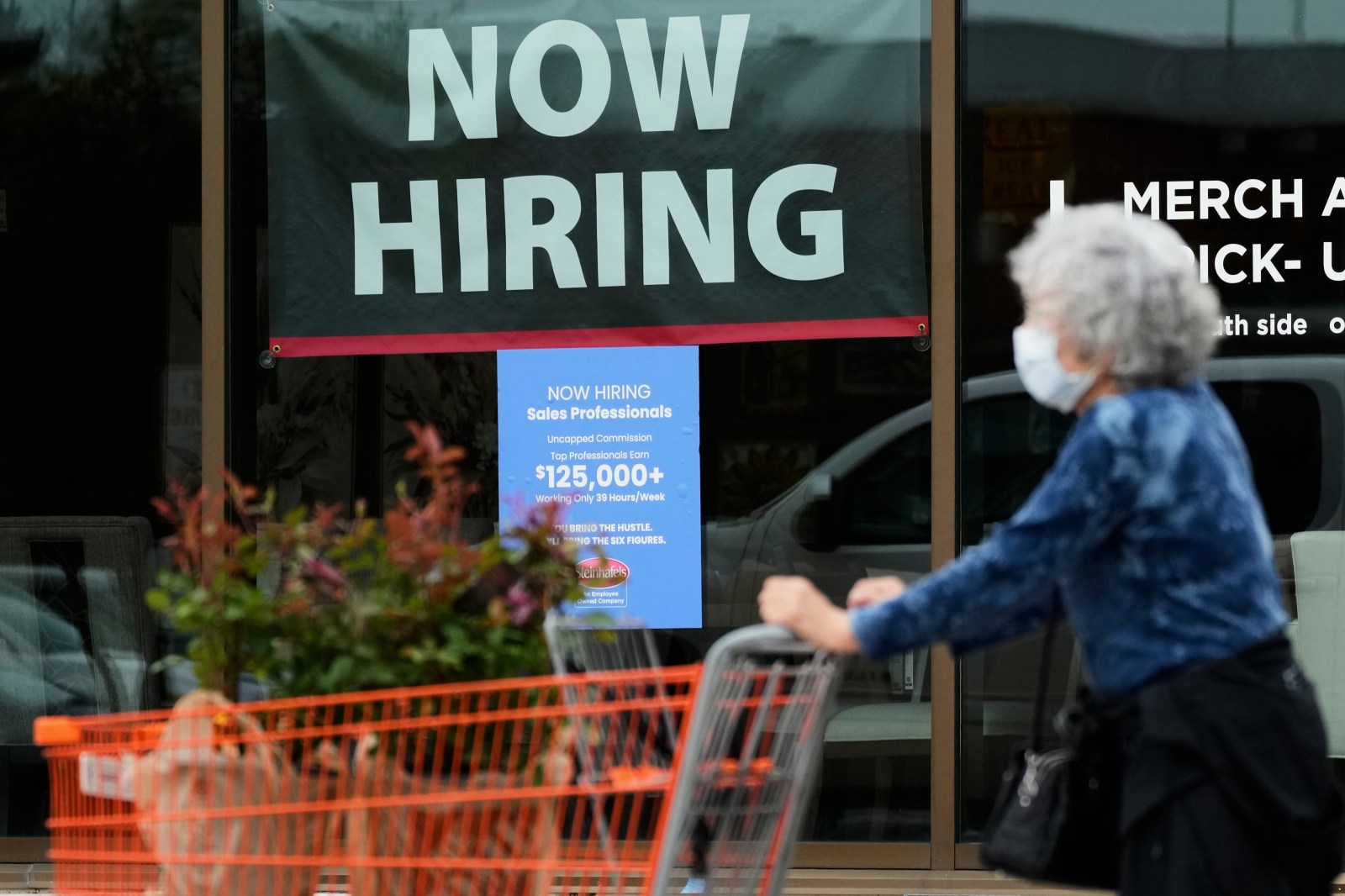
The recent jobs report reveals a surprising decrease in employment, casting doubt on predictions that the Federal Reserve will hike interest rates this year. This shift might offer relief to homebuyers, though not without drawbacks. In July, U.S. employers reduced their workforce by 23,000 jobs, while data from previous months got revised downward. The Bureau of Labor Statistics reports losses in local government, education, and retail.
Analysts were caught off guard, as expectations were set for a sturdier labor market. Charlie Ripley, senior investment strategist at Allianz Investment Management, emphasized that the report highlights the labor sector’s weakening state. This development places pressure on the Fed’s employment mandate, potentially stalling any interest rate hikes come fall.
Implications for Mortgage Rates
Jamie Cox of Harris Financial Group reflected on the job cuts and reiterated the Fed’s decision to maintain interest rates in July between 3.5% and 3.75%. Despite inflation fears linked to ongoing conflict in Iran, the Fed aims for a 2% inflation target, acknowledging the time it may require.
Cox views the current labor market dip as temporary but remains concerned about its impact on the economy. A persistently weak labor market would diminish the chances of future rate hikes. Jeffrey Roach of LPL Financial anticipates further complications for the Fed due to full employment alongside hiring declines, which might support keeping rates stable.
While the Fed doesn’t dictate mortgage rates directly, its actions shape long-term treasury yields, influencing mortgage percentages. If the Fed were to raise rates later to curtail inflation, mortgage rates would likely rise too. However, continued labor market weaknesses might lead the Fed to pause rate increases.
Chris Zaccarelli of Northlight Asset Management noted that the earlier assumption of rate hikes based on strong employment is being reconsidered. The Fed’s next meeting in September could shift focus based on this evolving scenario.
Effects on Homebuyers
According to Realtor.com senior economist Jake Krimmel, the delay in rate hikes aligns with potential rate cuts. Homebuyers benefit if mortgage rates stabilize or decrease, despite uncertainties caused by the Iran conflict.
However, a lagging job market dampens the confidence needed for long-term commitments like mortgages. People hesitate to buy under threats of job loss or poor economic forecasts. A weaker job market might offer better financing options but reduce housing demand simultaneously. If job market woes remain modest, the housing sector could still gain from the situation.
Real estate data from Realtor.com indicated a modest July, with overall market stabilization despite slight signs of slowing. Krimmel pointed out that sellers, who significantly outnumber buyers, are starting to set more realistic pricing. Meanwhile, pending sales persistently outperform last year’s numbers, though the gap narrows. Despite employment challenges, housing demand hasn’t received substantial new support.
Current trends suggest wait-and-see tactics from both the Fed and potential buyers. As of this week, Freddie Mac reports a 30-year fixed-rate mortgage averaging 6.69%, up from last week’s 6.66%. Inflation has tapered from 4.2% in May to 3.5% in June, marking the first five-month decline. The Federal Bank of Cleveland estimates July’s core inflation spiked slightly. An upcoming Bureau of Labor Statistics report on August 12 will confirm July’s inflation change.
For further inquiries, contact Newsweek editors Matthew Robinson and Trevor Davies.