Increase in Rabies Exposures Leads to National Health Advisory
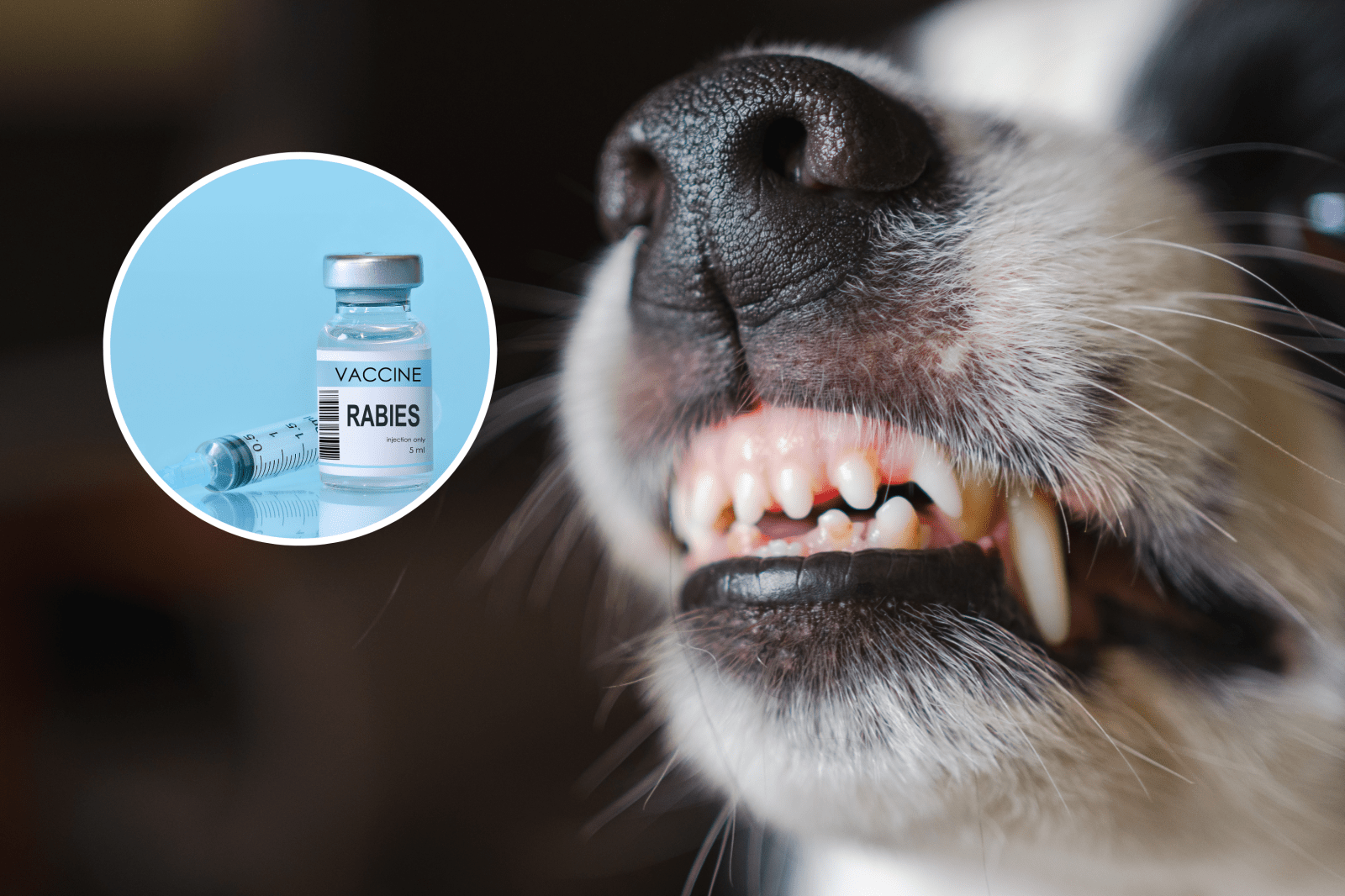
The U.S. Centers for Disease Control and Prevention (CDC) has issued a nationwide health advisory due to a rise in rabies exposures and increased use of post-exposure treatment. This follows several notable incidents where animals potentially carrying rabies exposed numerous people across various states.
Rabies Exposure Incidents
According to the CDC’s Health Alert Network advisory from September 10, rabies-related inquiries rose by 17% in July and August 2026 compared to the same period last year. At least eight state health departments noted a heightened use of rabies post-exposure prophylaxis (PEP), along with some administration mistakes.
“Clinicians must administer PEP correctly, as errors in rabies risk assessment and PEP administration could result in unnecessary treatment, adverse effects, and additional costs,” the CDC stated.
One incident involved rabid baby goats in a mobile petting zoo in North Carolina, potentially exposing hundreds. Local health departments continue to address these large-scale exposure events.
Rabies Transmission and Symptoms
Recent reports highlight an increase in human exposure to rabid or potentially rabid animals. High-risk animals traditionally include bats, raccoons, skunks, and foxes. Less common carriers have also been involved in recent cases.
Rabies attacks the central nervous system and is almost always fatal once symptoms manifest. Early symptoms resemble other illnesses and may include fever, headache, nausea, and sore throat. Severe symptoms entail confusion, anxiety, paralysis, and coma. Prompt treatment can prevent the onset of these symptoms.
Treatment for Rabies Exposure
Timely treatment following exposure is crucial. Health officials recommend risk assessments based on the animal type and contact nature. If needed, patients undergo rabies post-exposure prophylaxis (PEP), beginning with immediate wound cleansing, human rabies immune globulin (HRIG), and a vaccine series. Most receive four doses over two weeks. Immunocompromised individuals may need an additional dose.
Proper HRIG and vaccine administration is vital to avoid dosing errors. Despite the treatment demand, CDC emphasizes not delaying treatment when exposure is likely.
Rabies Treatment Costs and Side Effects
Rabies treatment, involving immune globulin and vaccines, can be costly, ranging from $11,000 to $14,000 per patient. Costs depend on location, insurance, and immune globulin amounts calculated by body weight.
Common treatment side effects are mild, including soreness or swelling at the injection site, headache, fatigue, and nausea. Serious adverse reactions are rare, and treatment benefits exceed risks given rabies’ fatal nature.
Appropriate treatment is crucial to avoid unnecessary costs and strain on rabies biologics supply. Concerns over expenses should not deter individuals from seeking evaluation post-exposure.
Animals at Greatest Rabies Risk
Bats are a leading source of rabies in the U.S., often contributing to human rabies deaths. Other frequent carriers are raccoons, skunks, and foxes. Domestic animals can also contract rabies, though vaccination has reduced pet risk.
The CDC advises against direct contact with wildlife and any mammal behaving unusually. Animals with rabies might not present visible sickness, making immediate medical evaluation crucial after potential exposure.