Indiana Fever’s Impact on WNBA Viewership Amid Playoff Loss
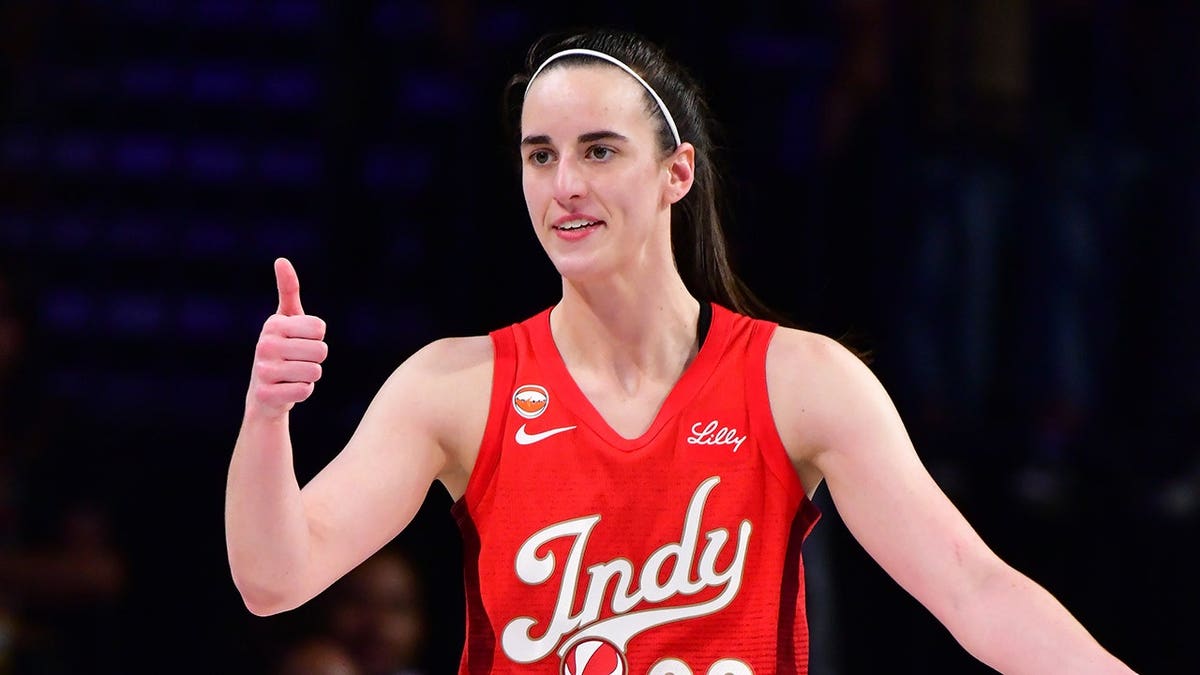
The Indiana Fever concluded their season with a disappointing 94-83 loss to the Las Vegas Aces in Game 3, marking the end of their playoff journey. Despite the Fever’s elimination, the focus remains on WNBA fans facing criticism, as highlighted by commentator Dan Dakich.
In a grueling and physical Game 3, attention was drawn to contentious officiating. Notable incidents included Caitlin Clark being struck by an elbow without a foul call, and Lexie Hull receiving a foul for a hook-and-hold incident. Dakich criticized figures like Jemele Hill for defending A’ja Wilson’s confrontational behavior towards a fan, while Natasha Cloud’s comments against Fever fans were put under scrutiny.
Despite these controversies, viewership figures shine a light on Caitlin Clark’s influence. Clark’s playoff game on Prime Video attracted 1.42 million viewers, surpassing the audience of all non-Fever first-round games. Such figures underscore the Fever’s drawing power, which was evident as Indiana averaged 2.25 million viewers for their season-ending match against Las Vegas on USA Network and CNBC.
Throughout the Fever’s playoff run, the team’s games averaged 1.93 million viewers, nearly doubling the audience of non-Fever matches, which stood at 985,000. This stark contrast highlights Clark and the Fever’s significant impact on WNBA viewership.
For a clearer comparison, ABC broadcast both the New York Liberty vs. Minnesota Lynx and Indiana Fever vs. Las Vegas Aces on the same day. While the former garnered 1.20 million viewers, the latter attracted 2.11 million viewers, illustrating the Fever’s appeal.
Simultaneously, views on Prime Video showed similar patterns. Caitlin Clark’s Fever game brought three times more viewers than Angel Reese’s Dream match. This constant pattern indicates Clark’s role as the main draw in the league.
Past viewership trends reaffirm the Fever’s influence. The team attracted 951,000 viewers during their playoff opener without Clark, compared to 1.84 million with her. Moreover, the 2025 All-Star Game viewership dropped from 3.4 million in 2024 to 2.19 million in 2025 when Clark was absent.
Looking ahead, there’s potential for the WNBA to cultivate fans beyond the Indiana Fever. Historical data shows that while interest peaks with Clark, the league has opportunities to engage fans with other teams. Following the Fever’s exit, the focus shifts to the remaining teams aiming to captivate audiences as the championship unfolds.