Innovative Treatment Offers Hope for Pancreatic Cancer Patient
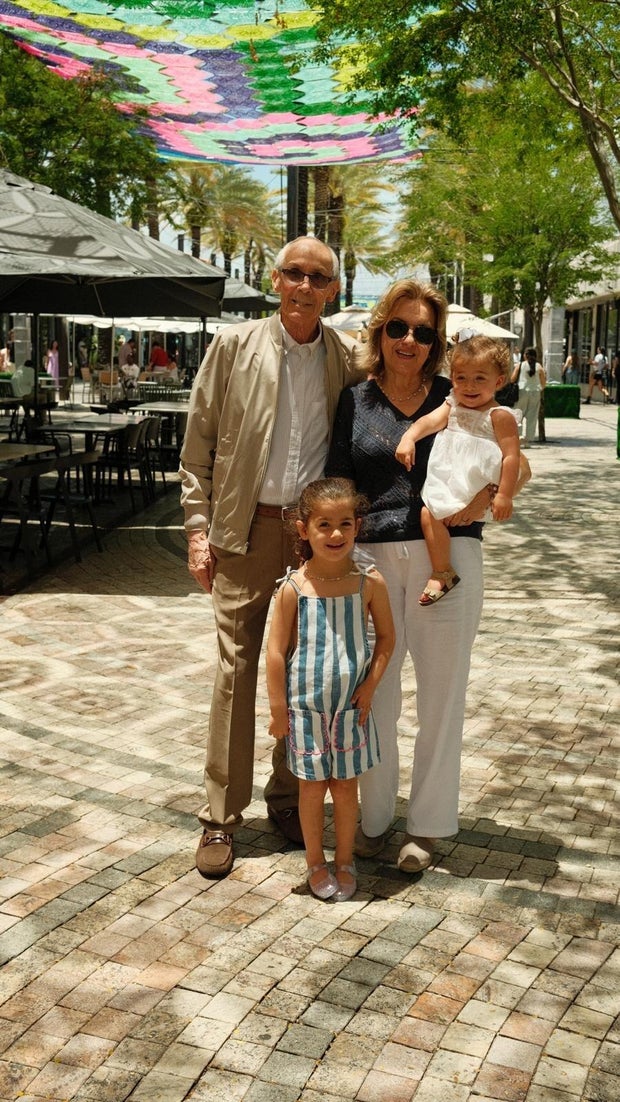
Hernando Salcedo, an active 83-year-old, noticed unexpected stomach swelling in May 2025. Initially attributing his condition to aging, he was surprised when further medical evaluations led to a Stage III pancreatic cancer diagnosis. His doctor referred him to a gastroenterologist after an inconclusive endoscopic ultrasound, and an MRI confirmed the serious diagnosis. According to the American Cancer Society, Stage III pancreatic cancer has a grim prognosis, with a five-year survival rate of only 15%. Surgery was not feasible, leaving aggressive chemotherapy as the sole treatment option.
In July 2025, Salcedo began chemotherapy at the Miami Cancer Institute, quickly experiencing severe side effects like weight loss and inability to eat. His active lifestyle disappeared, leaving him confined to bed.
During his struggle, Salcedo’s case reached an expert panel at the Miami Cancer Institute. These panels explore innovative treatments and clinical trials. Dr. Ripal Gandhi, a radiologist and oncologist, explained that Salcedo was a candidate for a trial involving RenovoRX’s RenovoCath system. Typically, chemotherapy is delivered intravenously, affecting the entire body. With pancreatic cancer’s dense tissue and limited blood flow, traditional methods can be ineffective.
“Because you’re isolating the chemotherapy, there is very little drug which is actually going through the body. The drug is really being localized to the site of the cancer and there’s very little chemotherapy that’s making it to all the rest of your organs.”
The RenovoCath system, approved by the FDA in 2014, targets chemotherapy close to the tumor, minimizing systemic exposure. In a 2023 study, patients receiving chemotherapy through this method showed 65% fewer side effects and a six-month increase in survival.
Salcedo did not hesitate to join the trial when presented with the option. His son Mauricio described it as “the easiest decision” in their cancer journey. After two months of standard chemotherapy and radiation, Salcedo’s cancer stabilized, qualifying him for the catheter delivery method. He was randomized to use the RenovoCath system.
Salcedo received the new treatment every other week for four months. Unlike traditional chemotherapy, the new method significantly reduced side effects. Salcedo reported feeling fine the next day, experiencing no nausea or pain. He described the treatment as having “fixed” his life.
Dr. Gandhi shared that one trial participant survived four years post-diagnosis, a rare outcome for this cancer type. The device is FDA-approved, with further research ongoing. Final trial data is expected in late 2027.
One year post-diagnosis, Salcedo’s cancer remains stable. His improved condition allowed him to partake in family milestones like his nephew’s wedding in Colombia. Mauricio acknowledged the seriousness of their situation but emphasized the gift of additional time and quality of life for his father. Salcedo is now engaging in regular walks and planning more travel.
“What else do you want for an 83-year-old man, other than that he’s happy? That feels like you won the lottery.”