Inside Angola: A Story of Redemption and Rodeo
The Louisiana State Penitentiary, commonly called Angola, is the largest maximum-security prison in the United States. It houses nearly 5,000 men, most serving life sentences without parole.
About 1,000 inmates earn privileges through good behavior. These privileges include driving tractors, learning trades, and, for the bravest, participating in a unique rodeo event. Inmates leap onto wild bulls or horses, seeking a fleeting taste of freedom during the rodeo known as ‘the wildest show in the South.’
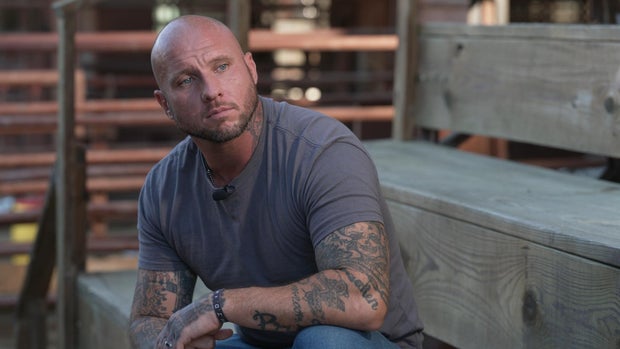
Kevin ‘Country’ Gildhouse shares his memories: ‘I remember turning onto that road that said Angola State Penitentiary. I felt like my heart was beating out of my chest. I was scared to death. I’m about to enter the place where they say I’m gonna die.’
Sentenced to life for a botched robbery at 19, Country reflects on the impact of his actions on his victim’s family, acknowledging the lifelong trauma his crime caused.
During specific weekends, Country and his fellow inmates participate in the rodeo. They compete proudly in front of thousands, experiencing moments of triumph and defeat against wild animals.
For many inmates, the rodeo provides a sense of liberation and camaraderie. Managed primarily by those within the prison, the event allows them a momentary escape from their confinement.
The history of Angola is grim. Originally a slave plantation, it earned the reputation of ‘the bloodiest prison in America’ due to the violence and harsh conditions in earlier times. In the 1950s, protests against the inhuman conditions led to improved circumstances.
Over the years, the rodeo evolved, beginning in the mid-1960s. Warden Darrel Vannoy recounts its growth from small beginnings to a major event. Vannoy, with decades in corrections, underscores seeing prisoners as human beings rather than animals.
Travis ‘Buckethead’ Johnson, the current rodeo champion, reflects on his sense of achievement and his struggle to reconcile with past crimes. ‘It’s somethin’ you cannot change,’ he says, contemplating his actions and their consequences.
For some inmates, art and crafts provide another outlet. Kenny ‘300’ Palmer crafts chessboards and jewelry, using the proceeds to support family financial education efforts.
Visitors attending the rodeo pay entrance fees, akin to visiting a country fair. For a day, the usual barriers seem less imposing. Family visits during the event offer inmates rare solace and human connection.
Many Angola employees have long histories with the prison. John Corley, editor of the prison magazine, describes a generational commitment among staff. Like the prisoners, they seek meaning through their roles.
Memories of the past, the acknowledgment of wrongs, and striving for redemption permeate Angola. Despite the grim history, some inmates seek solace in religious faith and personal transformation.
The grounds are also home to two cemeteries for those unclaimed at death. A plaque there states, ‘Remember not my name, nor my sins, nor guilt, nor shame. only that I was a man,’ capturing a desire for dignity in death.