Inside Minneapolis’s Karmel Mall: A Hub of Somali Culture and Enterprise
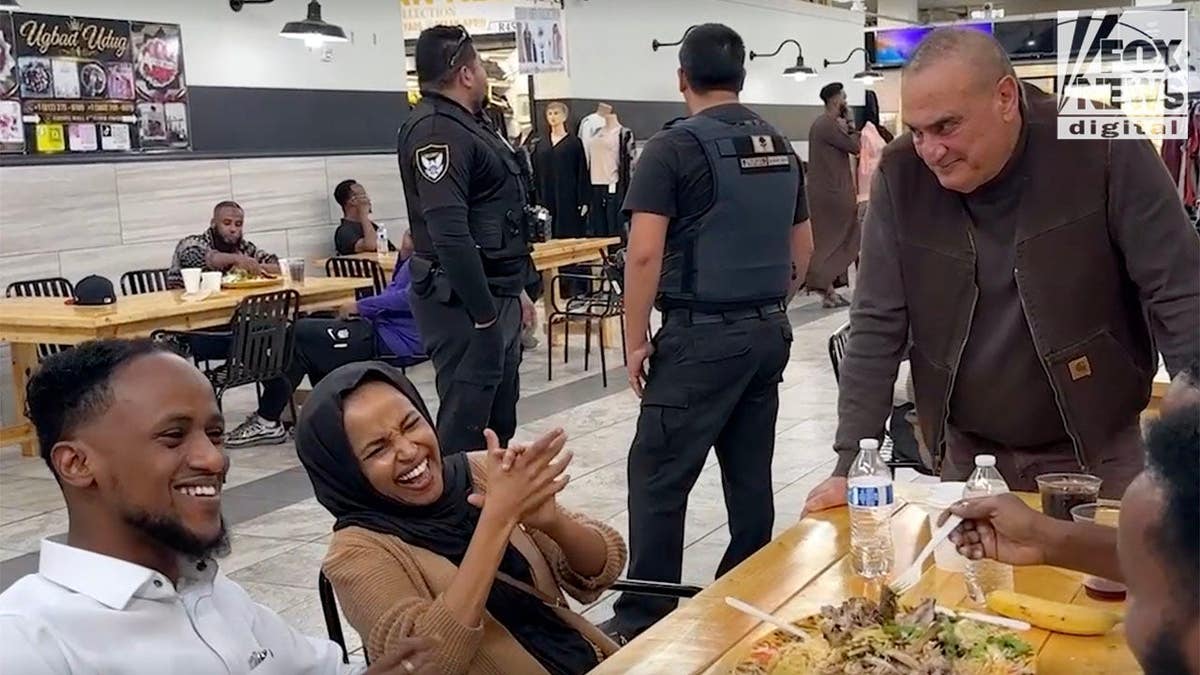
A recent visit to Karmel Mall in Minneapolis reveals a vibrant center dominated by Somali culture, offering insights into the community that Rep. Ilhan Omar represents in the U.S. House of Representatives. This mall is not limited to retail; it’s a communal hub where innovation thrives, particularly among women entrepreneurs.
Karmel Mall, owned by Basim Sabri, is a reflection of Somali life in America. Sabri, a Gaza-born immigrant, has built a significant real estate empire in Minneapolis, including this vibrant marketplace. He maintains deep political ties locally and knows Omar personally.
The mall caters to a primarily Somali clientele, evident from its linguistic landscape where English is secondary. It boasts over 750 businesses, ranging from SIM card outlets to money exchanges, and from travel agencies to traditional fashion shops. You will also find cafes, Somali food vendors, and henna tattoo shops, creating a microcosm of Somali culture.
A notable feature is the food court, adorned with a giant Somali flag, which serves as a venue for political press conferences. Rep. Omar was recently seen dining with friends and state Attorney General Keith Ellison at the mall.
Aside from commerce, the mall serves educational needs with an Islamic weekend school teaching the Quran and hosting recreational activities for children. Sabri emphasizes the mall’s role as a business incubator, where enterprises often launch and then expand beyond its confines.
Yet, the mall’s cultural focus raises questions about assimilation. Reports from the Center for Immigration Studies note significant challenges faced by Somalis in Minnesota, citing high poverty levels and struggles with English proficiency. This has fueled discussions about assimilation rates among recent immigrants as opposed to historical waves.
Steven Camerota from the CIS points to changes in modern technology, communication, and societal attitudes as factors influencing integration. Today’s immigrants can easily maintain ties to their homelands through travel and digital connectivity, contrasting past experiences.
Camerota also outlines conflicting narratives about America that immigrants encounter, affecting their integration. He argues that high immigration numbers may hinder assimilation, suggesting policy changes could address this.
Sabri has faced legal challenges, having served a federal prison sentence for bribery. Despite this, he remains a staunch advocate for the Somali community, encouraging broader audiences to experience the multicultural offerings at Karmel Mall and recognize the business acumen of Somali immigrants.