Inside the Michigan U.S. Senate Democratic Primary
The Michigan U.S. Senate Democratic primary between Congresswoman Haley Stevens and former public health director Abdul El-Sayed has captured significant attention. This centrist versus progressive battle is seen as a key political event. During our time in Detroit, we sought to answer several critical questions about the candidates and the race.
Candid Impressions on the Ground
In person, both candidates presented themselves more prominently than their media portrayals suggested. Haley Stevens displayed remarkable persistence, often emphasizing her commitment to hard work for the state. Abdul El-Sayed, on the other hand, showed a propensity to energize young and progressive voters with his enthusiastic approach combined with intelligence.
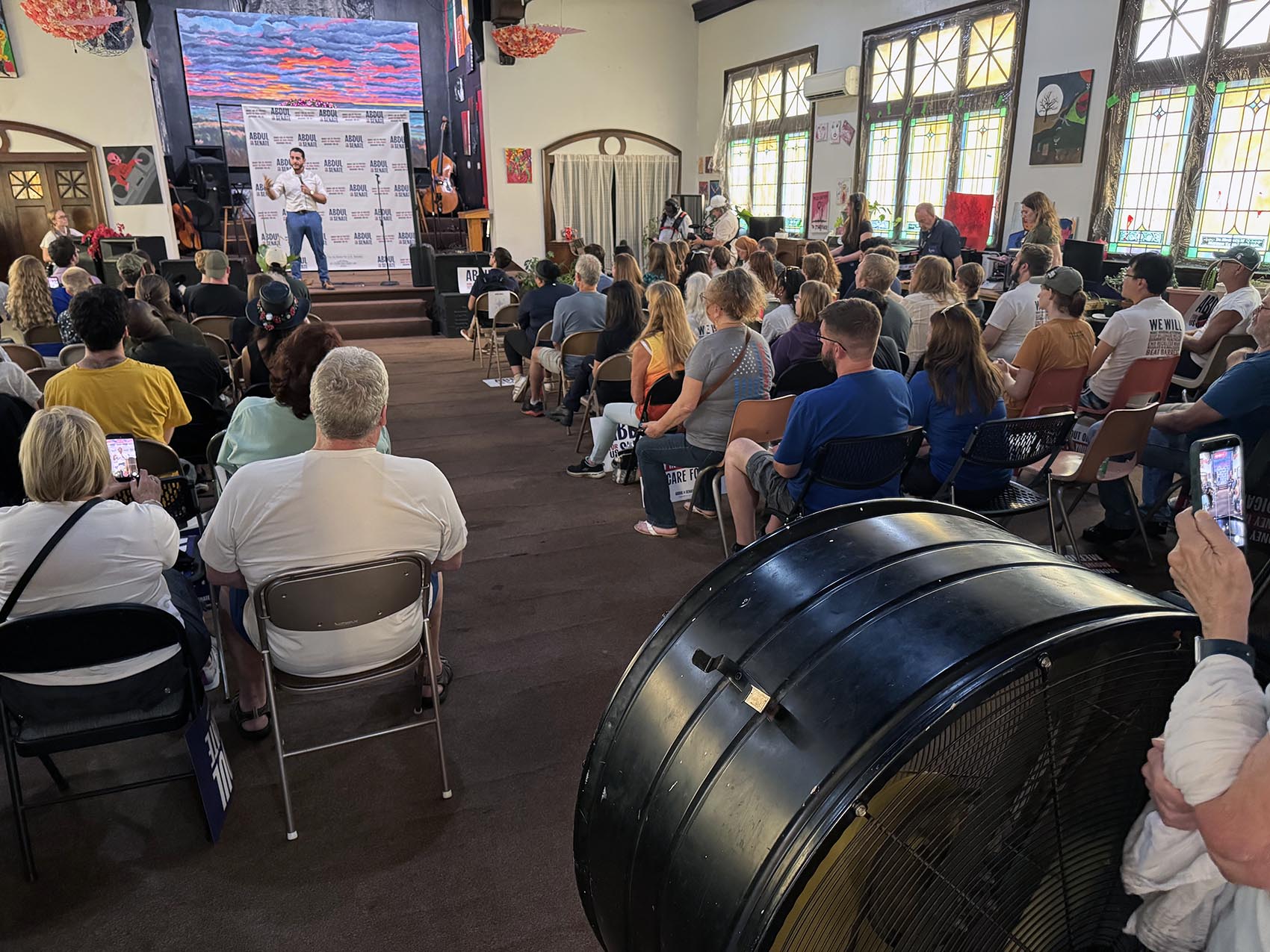
We attended events held by both candidates. El-Sayed’s gathering at The Fledge attracted around 100 attendees. In contrast, Stevens’ meetings were smaller and more intimate, such as the one at a regional Chamber of Commerce with 23 participants. Each venue and audience offered a unique perspective on the candidates.
Key Issues for Michigan Voters
Michigan voters are presently concerned about several issues:
- Economy: Many, including United Auto Workers member Jason Peck, expressed concerns over financial hardships.
- Money in Politics: Voter Dorice Steiner criticized both parties for the influence of money, suggesting that significant reform is needed.
- Healthcare and Social Issues: Tyler McCastle noted ongoing challenges in healthcare, while Cindy Groene mentioned the influence of money in politics as problematic.
- Antisemitism: Zach Nessel voiced concerns over growing antisemitism following recent events in Israel.
During a visit to The People’s Kitchen in Lansing, the owner Doug Mulkey underscored the impacts of inflation on business, reflecting broader community anxieties.
Centrist and Progressive Divide
The divide between centrist and progressive factions within the Democratic party is evident but not insurmountable. Most voters we encountered were open to supporting the eventual nominee in November. Comparisons to the 2016 Clinton/Sanders split show less intensity in this instance, suggesting potential for unity.
Future Implications
This primary race is viewed as a potential indicator of Democratic Party trends. With progressives gaining traction nationwide, this contest adds to the ongoing narrative of ideological shifts but does not decisively determine the party’s future.
Conversations with supporters from both camps revealed a commonality of certain ideas and priorities, despite differing candidate preferences. As Democrats evaluate their choices, they are increasingly concerned with both viability and alignment with personal values.
Ultimately, the Michigan primary offers insights into Democratic strategies and voter sentiments. The broader question remains whether Democrats can consolidate their focus post-primary on shared goals.
Engaging with diverse viewpoints and supporting independent journalism remains crucial for a thriving democracy.