Issues Surrounding Private School Regulation and Accountability in Arkansas
At The Delta Institute for the Developing Brain, located just outside of Jonesboro, Arkansas, a shocking incident unfolded. Founded by Mary “Tracy” Morrison, a boy aged 13 endured abuse from both Morrison and his classmates in a session led by Morrison. This led to a complaint and Morrison’s subsequent arrest. Despite her jail sentence, the school continues to receive public funds from the state of Arkansas.
State Funding and Lack of Oversight
The Delta Institute operates even after its founder’s conviction, highlighting the lack of regulation over private schools in Arkansas. The state has allowed private schools to expand rapidly with limited scrutiny since the introduction of the Education Freedom Account (EFA) program. This initiative permits families to use public money for private school tuition. From about 100 private schools in 2023, the number has more than doubled to around 220 in recent years.
Incidents of Abuse
Morrison called the boy into the center of a classroom circle, provoked his classmates to criticize him, and then incited them to physically attack him. This cruelty was captured on video, and Morrison was later charged with multiple felonies.
The state seemed to ignore regulation of private schools, focusing instead on families’ choices in education. The lack of meaningful oversight left such educational institutions free to operate without accountability, putting vulnerable children at risk.
Educational Freedom Account Program
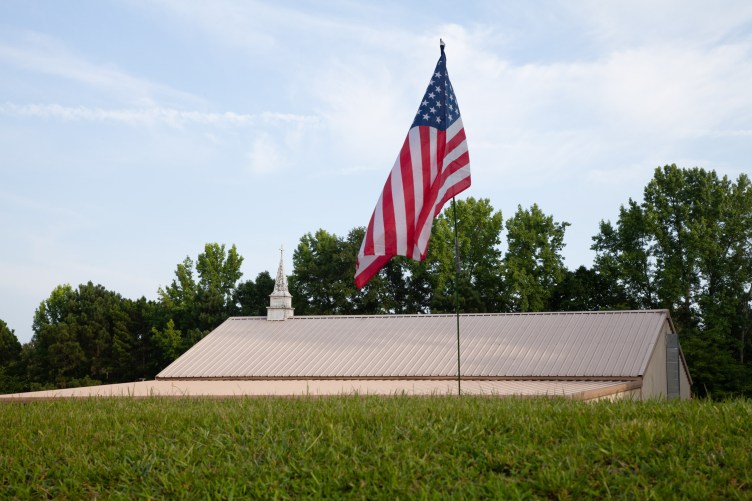
Arkansas’ Education Freedom Account program offers parents state funds to help cover private school expenses but falls short on requirements and accountability. Requirements include maintaining fire safety standards, keeping immunization records, and displaying an American flag. There is no regulation over curriculum or the operators’ backgrounds. Morrison, an occupational therapist, had no experience in school management yet opened a private institution.
The state’s oversight mainly concerns financial audits, while the quality of education and student safety lack scrutiny. This program does not significantly enhance public school standards or replicate their accountability measures in private schools.
Oversight and Regulatory Gaps
Despite the shocking occurrences at The Delta Institute, the state has taken limited action. The school’s operations resumed after Morrison’s supposed resignation and an establishment of a new board. Still, state intervention in cases of reported abuse is notably absent, and the institution remains open.
State actions have not matched the gravity of incidents reported at The Delta Institute or at other private schools. Complaints of misuse of funds and inadequate educational practices at other schools are also ignored. The state rarely conducts meaningful visits or investigations into private or microschools, even after receiving concerning reports.
Attempts to Address the Issues
Some groups have sought to amend Arkansas laws to ensure that private schools receiving public funds meet the same accountability standards as public schools. However, these efforts have not yet succeeded. Only a few schools face temporary fund suspension due to these low regulatory standards.
State Senator Bryan King, opposing the LEARNS Act due to a lack of accountability, emphasizes financial responsibility and transparency.
Despite setbacks, complaints about private school operations persist, featuring significant gaps in oversight and regulation. Another investigation is underway based on new complaints, but the state’s response remains unclear.