James Carville’s Reaction to Hasan Piker and Abdul El-Sayed Controversy
James Carville’s Concerns
Democratic strategist James Carville voiced his concerns over the influence of the far-left on the Democratic Party. In a conversation with host Kayleigh McEnany, Carville addressed Michigan Democratic Senate candidate Abdul El-Sayed’s reluctance to criticize Twitch streamer Hasan Piker.
Carville pointed to El-Sayed’s recent primary success, warning that such associations might harm the party’s prospects. El-Sayed secured 51% of the vote, highlighting his appeal within the party.
Controversial Statements by Hasan Piker
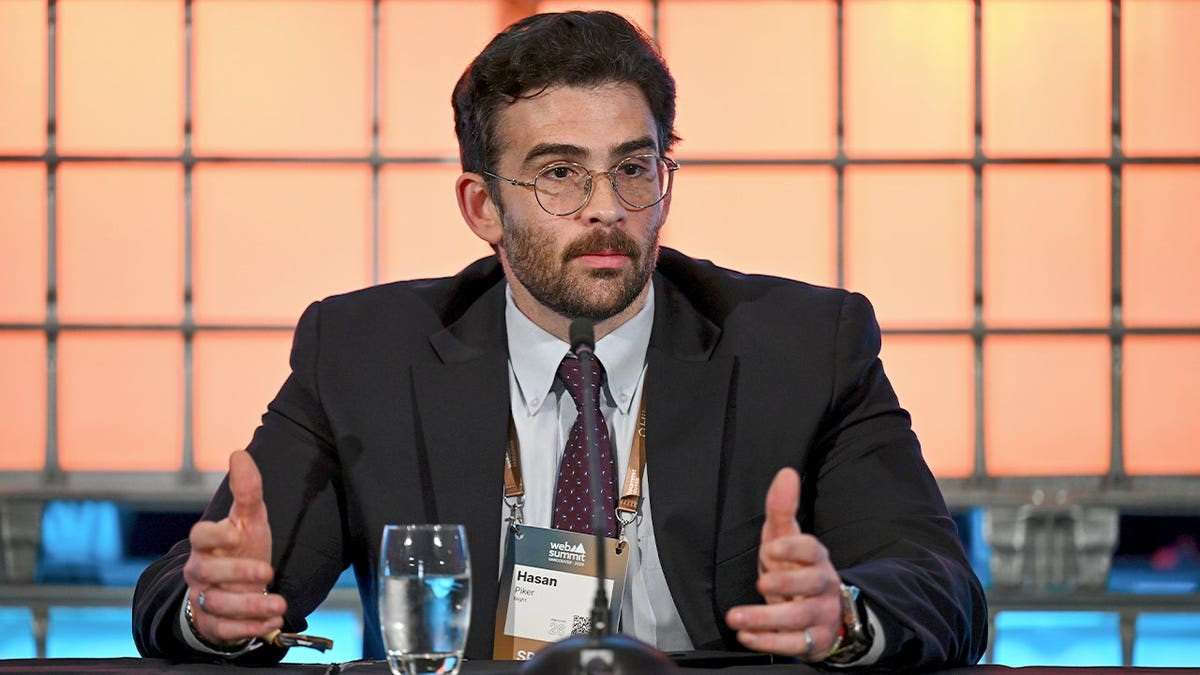
Hasan Piker, known for his socialist views and controversial statements, became a focal point. In particular, Piker has faced criticism for past remarks suggesting America deserved the 9/11 attacks. He recently commended Zohran Mamdani’s aide, Cea Weaver, despite her contentious statements regarding the middle class.
Piker interrupted a discussion on Bill Maher’s program, defending Weaver. He expressed admiration for the people around Mamdani, despite Maher’s criticism of their views. Piker described Weaver’s influence and praised her role as Director of the Mayor’s Office to Protect Tenants.
Reactions from Political Figures
Bill Maher criticized Hasan Piker, highlighting his socialist stance and its implications. Piker responded by refuting Maher’s interpretation of his quotes regarding the USSR and China. He argued against Maher’s suggestions about the fall of these regimes and emphasized historical context.
Meanwhile, Abdul El-Sayed, while disagreeing with Piker’s 2019 comments, maintained their alliance. El-Sayed, a progressive candidate, continues to align with figures like Piker, raising Carville’s concerns about party dynamics.
Potential Political Impact
The ongoing debate raises questions about the Democratic Party’s direction. Figures like Cea Weaver, who come from privileged backgrounds but advocate for socialist policies, face scrutiny. Their influence on mainstream politics highlights a shift that some, like Carville, view as detrimental.
This situation underscores the tension within the party between traditional Democrats and more progressive elements. The potential impact on upcoming elections remains a subject of intense discussion.
With figures like JD Vance warning against the effects of socialist policies on economic stability, this issue persists as a significant political talking point.