Justice Clarence Thomas Criticizes States Over CDL Policies
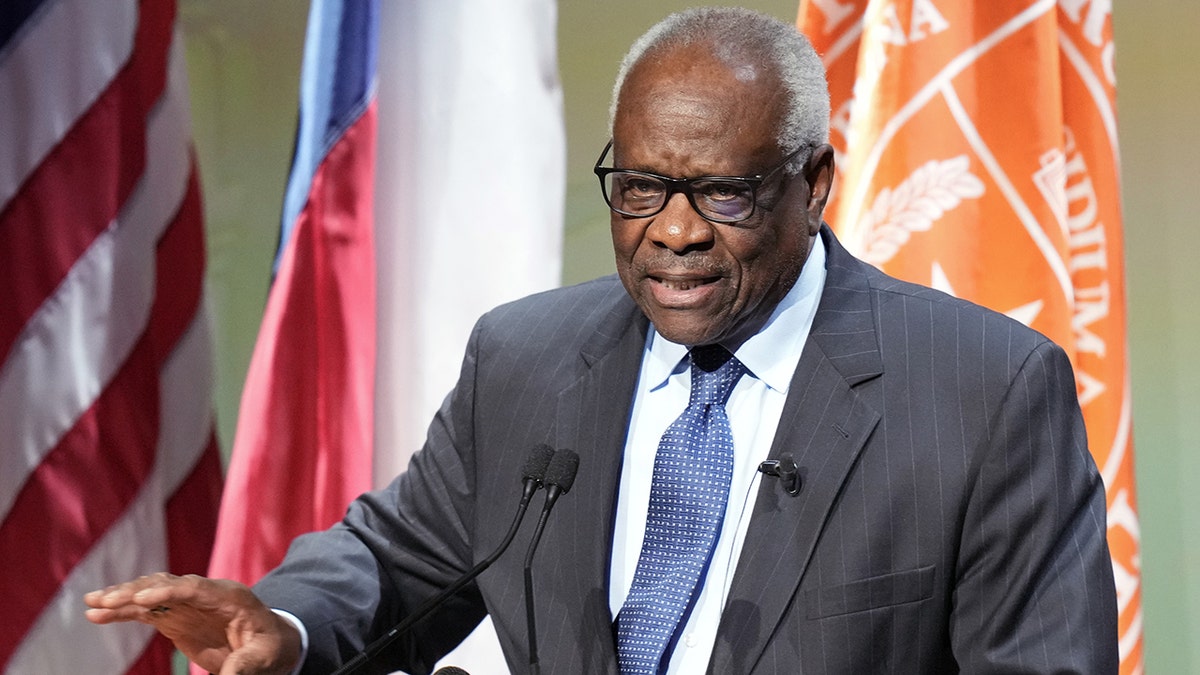
Justice Clarence Thomas criticized California and Washington, accusing them of compromising federal immigration and trucking safety standards. This came after a tragic highway crash in Florida. On Tuesday, Thomas challenged the Supreme Court’s decision to not hear a case that Florida claims it had no other forum to present.
Florida argued that the two states improperly granted commercial driver’s licenses to illegal immigrants. These actions, Florida stated, violated federal regulations that require proficiency in English and legal immigration status for certain commercial drivers. The state argued such policies threaten road safety across the United States.
Justices Thomas and Samuel Alito noted the case’s importance. They said the Supreme Court should have addressed the issue since states can only bring lawsuits against each other to the high court. According to Thomas, “If this Court does not exercise jurisdiction over a controversy between two States, then the complaining State has no judicial forum in which to seek relief.”
“An illegal alien who cannot read English road signs cannot drive an 80,000-pound tractor-trailer,” Thomas wrote.
The concerns stem from a fatal highway accident in Florida. It involved Harjinder Singh, a truck driver who allegedly could not read road signs. Singh held commercial driving licenses from both California and Washington.
Thomas argued that Florida should have the opportunity to pursue its allegations against Washington and California. He stressed that non-compliance with federal commercial licensing laws could lead to hazardous road conditions. He perceived this failure as a contributing factor to deadly crashes.
Florida filed its lawsuit directly with the Supreme Court. The Court’s original jurisdiction grants justices the sole authority over disputes between states. Although the Court might exercise discretion in ordinary appeals, cases between states fall within their exclusive jurisdiction, according to the Constitution.
Thomas contended that the Supreme Court was ignoring its constitutional duty by not considering disputes between states. When discussing international implications, he argued, “By entering the Union, States agree to instead have such disputes resolved by this Court.” He illustrated that if Florida, California, and Washington were separate countries, such issues could lead to diplomatic tensions and need handling through international channels.