Karen Bass Concedes to Nithya Raman in Los Angeles Mayoral Race
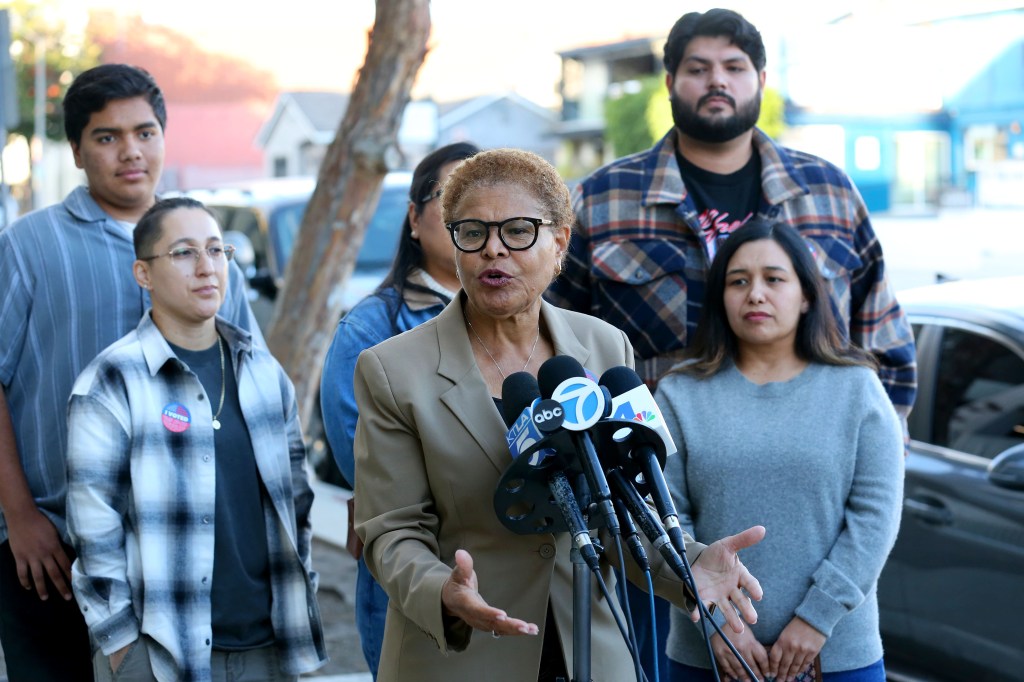
Los Angeles Mayor Karen Bass conceded her reelection effort to City Councilwoman Nithya Raman on Thursday. This brings to an end a challenging four years at City Hall and marks a significant political change as America’s second-largest city faces considerable challenges ahead.
Bass acknowledged her historic role as the city’s first Black woman mayor via an email to her supporters. “Four years ago, you elected me, allowing me to serve the city that raised me,” she wrote, expressing gratitude to her backers, volunteers, business leaders, and family.
During her tenure, Bass claimed her administration achieved certain goals, including a reduction in street homelessness, improved public safety, expanded affordable housing, and increased opportunities for working families. She referenced facing various challenges, such as the wildfires and federal actions under President Trump, which she described as events unifying the community.
Bass shared that she had phoned Nithya Raman to congratulate her and ensure a smooth transition, respecting the decision of Los Angeles voters. “I love Los Angeles and believe in its promise,” she concluded.
Raman’s victory positions her to become Los Angeles’ first mayor endorsed by the Democratic Socialists of America. At 45, she inherits a city grappling with homelessness, a reduced police force, high housing costs, and preparations for the 2028 Olympics.
When Bass took office in December 2022, she aimed to address Los Angeles’ pressing problems. However, her administration faced increased frustration over homelessness and public spending, along with devastating wildfires in January 2025 that resulted in the loss of lives and homes.
Raman effectively connected with a younger generation disillusioned by high living costs and limited economic prospects. This generational disconnect was noted by USC political analyst Dan Schnur, who described the election as a clash of visions between two eras.
Polling before the election indicated low approval for Bass, with just 25.5% of likely voters supporting her. In contrast, Raman was favored by 46.7% of respondents.
Bass’s administration was marked by ambitious promises amidst ongoing crises. Her Inside Safe initiative aimed to transition individuals from encampments to temporary housing, though homelessness figures continued to rise. Challenges also included rebuilding the Los Angeles Police Department, with officer numbers declining, and addressing responses to major disasters like the Palisades fire.
Incoming Mayor Raman will face these issues head-on. She has proposed changes in policing, such as expanding unarmed response teams and reallocating some duties away from sworn officers. This plan may spark resistance from police officers concerned about its implications.
Additionally, Raman must navigate political tensions regarding homelessness. Her opposition to certain restrictions around public spaces has clashed with other council members’ views on necessary enforcement.
Raman will also need to address financial challenges, from growing labor costs to the financial demands of the upcoming Olympics, while fulfilling her primary campaign pledge to enhance affordability in Los Angeles.
Notably, some real estate figures in Los Angeles express optimism about Raman’s potential impact. USC real estate professor Mott Smith, initially skeptical, praised her data-driven approach, describing it as pragmatic. Jason Oppenheim, a luxury brokerage president, asked residents to support Raman, welcoming her pragmatic focus on results.