L.A. Mayoral Runoff: Key Voter Dynamics
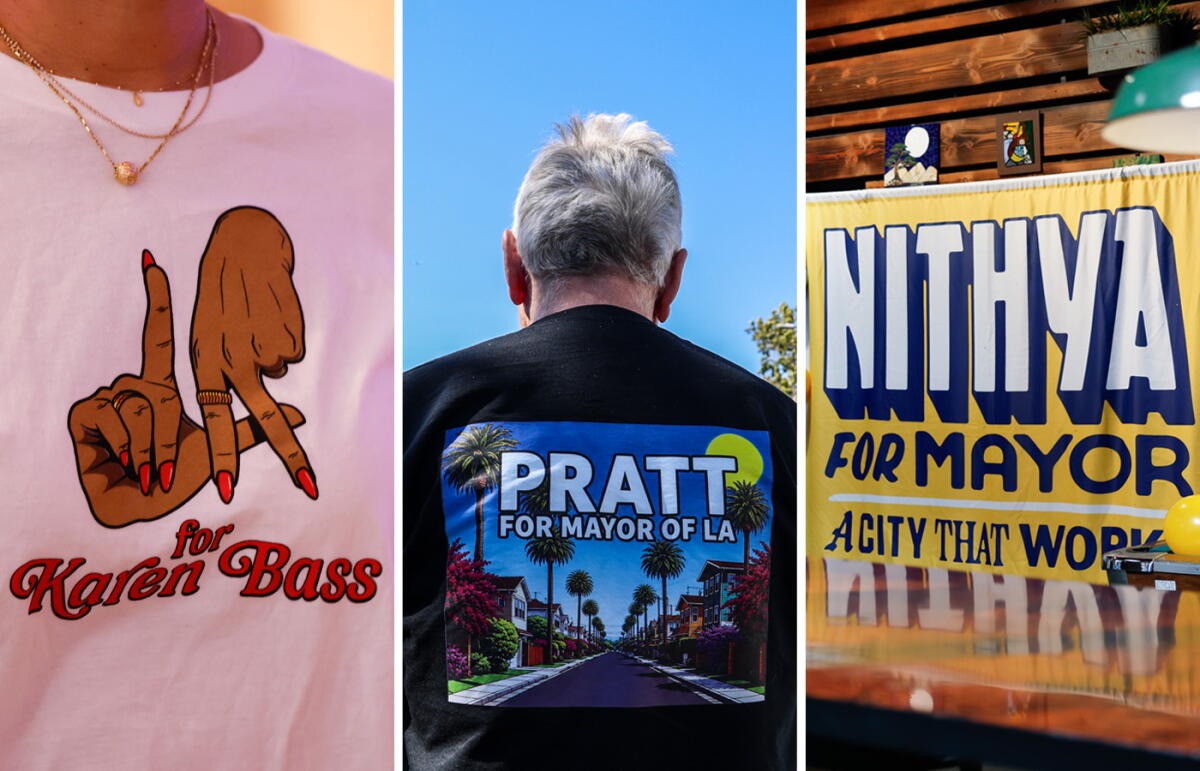
More than 300,000 Los Angeles voters who supported candidates in the mayoral primary, who did not advance to the runoff, will play a crucial role in the November 3 election between Karen Bass and Nithya Raman. The most significant segment within this group consists of the nearly 218,000 voters who backed Spencer Pratt, a Republican known for his appeal in Pacific Palisades and L.A.’s more conservative neighborhoods.
Dan Schnur, a former Republican consultant turned professor, emphasizes the importance of Pratt voters in a tight race. Although Pratt didn’t make it to the runoff, his supporters have the potential to influence the outcome significantly.
As both Bass and Raman are Democrats, they face the challenge of engaging Pratt voters without alienating their liberal and progressive base, especially with midterm elections on the horizon. Fernando Guerra, a political science professor, advises that messaging to Pratt voters should avoid compromising base support.
Bass’s strategy involves leveraging outside groups and surrogates who appeal to Pratt’s base. The Police Protective League, representing L.A. police officers, plans to invest in anti-Raman ads highlighting her Democratic Socialists of America (DSA) affiliation, a group advocating for defunding the police and prison abolition.
More conservative voices supportive of Bass, such as Councilmembers Traci Park and John Lee, highlight her achievements while critiquing Raman. Even Rick Caruso, who previously lost to Bass, has shown favorable views of her administration.
Raman, recognized as the more progressive candidate, has fewer avenues for reaching out to conservative voters. Instead, her campaign portrays her as an anti-establishment choice, hoping to tap into Pratt voters’ dissatisfaction with Bass. Raman, after advancing to the runoff, noted people’s frustration with the city’s current issues and leadership deficits.
Raman’s campaign focuses on pragmatic concerns like infrastructure maintenance, steering clear of broader ideological debates. Despite her ties to the DSA, she positions herself as committed to improving essential city services.
Bass, meanwhile, supports measures like the anti-encampment zone law and an increase in LAPD numbers, stances more likely to resonate with Pratt voters. Raman often opposed the law and decisions to expand the police force.
Advocacy group leader Ana Dahan suggests Bass’s positions on development and public safety align more closely with Pratt supporters. Raman’s DSA affiliation could deter some voters who backed Pratt.
Spencer Pratt, despite his criticisms of both candidates, hasn’t endorsed anyone. He praised Bass’s debate performance but soon reverted to criticizing her. Republican consultant Matt Klink suggests Pratt’s potential endorsements carry risks of alienation or perceived bitterness.
Guerra believes many Pratt voters might abstain from the general election due to indecision. The division among them could see a 70-30 split between Bass and Raman, though he doesn’t specify which candidate benefits. He advises campaigns to prioritize outreach to other pivotal voter groups, including Latinos and those who missed the primary.
Mike Murphy, another political consultant, sees a potential 50-50 split among Pratt voters as feasible. Any candidate gaining even a slight advantage could decisively sway the election.