Laboring Under Delhi’s Harsh Heat, Workers Must Choose Health or Wages
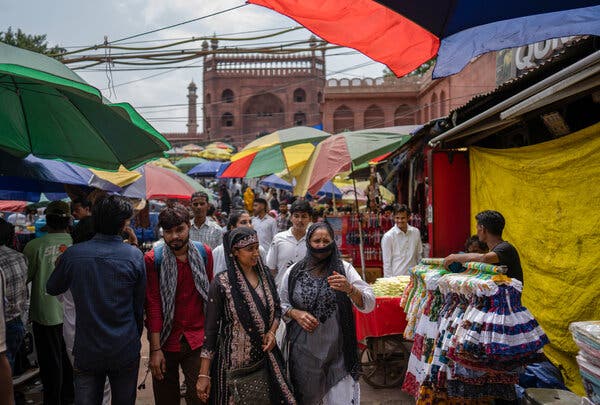
Severe heat waves have been impacting India since April. Many essential workers are facing difficult choices as a result. Vendors have been erecting large umbrellas to shade their kiosks, such as at the flea market near Jama Masjid, a renowned mosque in New Delhi.
Sunil Rastogi, an auto-rickshaw driver, typically works 12-hour days to support his family and save for a necessary heart surgery. However, with temperatures rising above 100 degrees in summer, he encounters a tough decision. Should he reduce his working hours, thereby earning less and delaying his surgery, or continue working despite risking his health?
“I feel tired as it is,” Mr. Rastogi shared last week. “This heat makes me even more tired.”
For millions of workers like Mr. Rastogi—including wage laborers, construction workers, street vendors, and delivery drivers—New Delhi’s scorching summer presents a difficult trade-off between health and income. These workers, who keep the city functioning, are among the most vulnerable to these harsh conditions.
On the hottest days, ground surface temperatures can soar to 140 degrees, according to the Center for Science and Environment, a think tank based in New Delhi. This extreme heat softens tarmac, posing a risk of blisters to barefoot workers.