Lawsuit Challenges Trump’s SNAP Restrictions on Soda and Candy
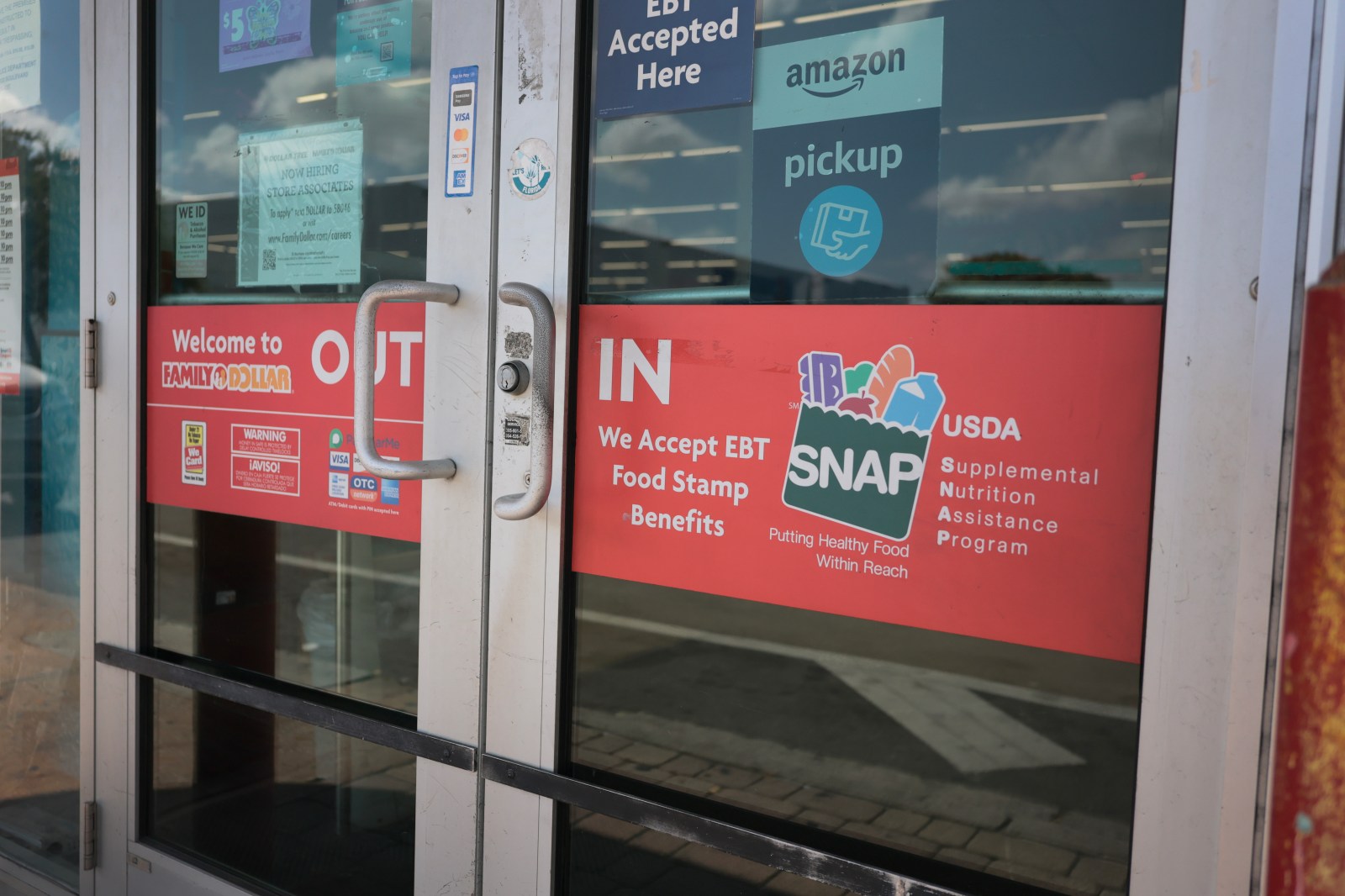
A lawsuit is challenging the Trump administration’s new restrictions on what Supplemental Nutrition Assistance Program (SNAP) recipients can purchase. The plaintiffs argue that bans on soda, candy, and other foods may worsen some health conditions.
Legal Action Against USDA Restrictions
The National Center for Law and Economic Justice is leading the challenge against the U.S. Department of Agriculture’s restrictions in 18 states. Federal officials promote these limits to improve nutrition and combat chronic diseases. However, the plaintiffs claim some restricted products are essential for managing medical conditions.
The lawsuit states that the restrictions prevent SNAP recipients from managing chronic health conditions or buying necessary foods for their children’s health.
Impact on SNAP Beneficiaries
SNAP assists millions of low-income Americans with grocery purchases. With federal control over permissible purchases, unintended consequences arise, especially for those with disabilities or medical conditions.
The Trump administration aims to redirect SNAP spending from products linked to diabetes and chronic illnesses. Restrictions differ by state, such as Hawaii’s ban on soft drinks and Florida’s on soda and prepared desserts.
Challenging USDA Authority
States implemented these rules through USDA-approved federal waivers. However, plaintiffs argue that the agency lacks legal authority to enact significant changes to SNAP’s framework without legislative approval.
In federal court in Washington, D.C., the lawsuit aims to hold the Trump administration accountable for allegedly unlawful actions causing chaos for SNAP users and retailers.
The Health Argument from SNAP Recipients
Though promoted as a public health measure, the restrictions may harm those with specific medical needs.
For example, in Idaho, a plaintiff with multiple chronic conditions, including difficulty regulating blood pressure and sugar levels, relies on restricted products like electrolyte drinks.
Another plaintiff in Oklahoma, residing in an extended-stay hotel without a kitchen, depends on foods needing minimal preparation. In these cases, restricted items may worsen health conditions such as dehydration or trapped gas in the esophagus.
Federal Intentions to Encourage Healthier Diets
The administration argues federal benefits should foster healthier eating rather than support products contributing to chronic diseases. They argue that SNAP funds spent on sugary foods divert assistance from nutritious options.
While the intention is public health improvement, critics argue the restrictions do not benefit those in food deserts and limit food choices for financially strained households.
Preceding Legal Challenges
This lawsuit follows earlier challenges in states like Colorado and Tennessee. Previously, a judge blocked the administration from restricting SNAP purchases of sugary foods due to a lack of USDA authority under federal law.
Judge Amy Berman Jackson stated the issue was not policy merit but legal authority. States can encourage healthier choices without violating laws.
Future Implications
The outcome of the new lawsuit could influence future state redefinitions of SNAP food eligibility through waivers. The success may hinge on recent court rulings that blocked similar restrictions, though uncertainties remain.
Policymakers face the challenge of promoting healthy food choices while accommodating the complex medical needs of beneficiaries.