Lessons from US-Korea Trade Negotiations
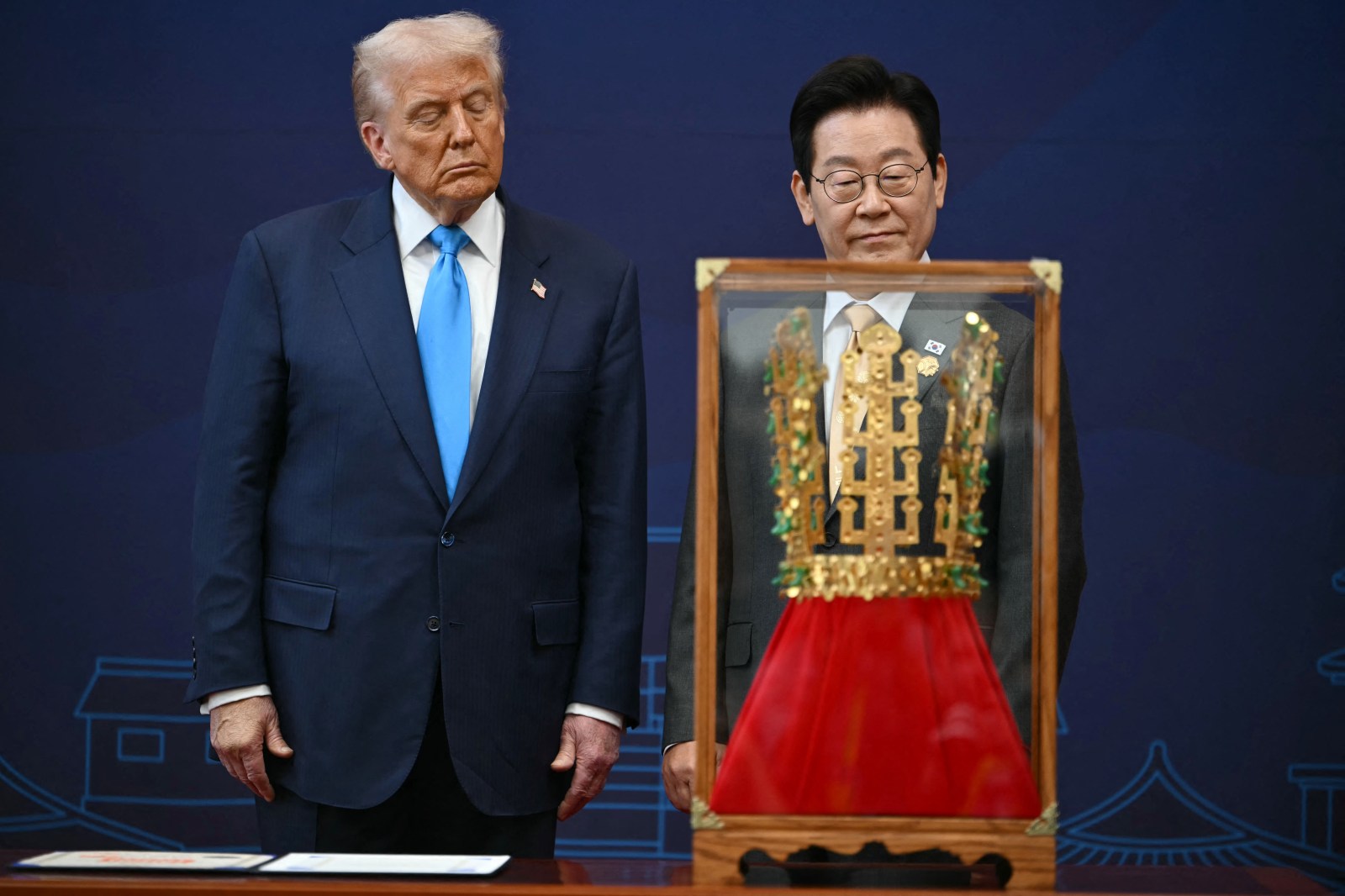
While leading the negotiations for the U.S.-Korea Free Trade Agreement (KORUS), I realized that strong partnerships withstand disagreements by fostering trust, pragmatism, and shared interests. The negotiation process was complex, with sensitive topics including agriculture, automobiles, and pharmaceuticals.
One of the most sensitive issues was securing U.S. access to Korea’s beef market. KORUS managed to reduce Korea’s high beef tariffs, although reopening the market fully remained contentious. In 2003, after mad cow disease was found in the U.S., Korea and other countries halted U.S. beef imports. In 2008, Korea’s decision to reopen its market led to large protests in Seoul.
Despite fears of long-term damage to the bilateral economic relationship, both countries engaged in intense negotiations. This resulted in additional safeguards, allowing the market to reopen. Since 2021, Korea has become the largest importer of U.S. beef by value.
This change occurred because neither side dismissed concerns or minimized the disagreement. Both sides addressed issues directly and did not let one difficult issue define their entire relationship. This approach remains vital today, as U.S. concerns over specific Korean trade measures currently influence the relationship.
“In a time of global conflicts and trade challenges, the U.S. and Korea need to collaborate closely to overcome these issues.”
Historical challenges include the 2017-2018 U.S. push for significant KORUS changes. Political pressure was strong, but negotiations addressed U.S. automotive concerns, preserving and updating the agreement in 2019. KORUS committees continue to address issues in various sectors.
Disputes should be taken seriously and addressed based on their merits. Partners must express their concerns openly, while managing disagreements using established channels. Korea’s role as a treaty ally is significant, hosting 28,500 U.S. troops.
Korean companies invest heavily in U.S. industries, with investment exceeding $90 billion in 2024, more than twice the level a decade before. Projects like the $6.6 billion smelter by Korea Zinc in Tennessee and Hyundai Steel’s $5.8 billion low-carbon steel mill in Louisiana highlight Korean contributions to American supply chains.
The future of U.S.-Korea relations can be highly impactful. The U.S. aims to revitalize key industries, where Korea, with its industrial capacity and expertise, can play a role. Cooperation in sectors like shipbuilding, semiconductors, and advanced technology promises benefits like operational facilities and resilient supply chains.
The beef controversy shows that challenging issues need not derail partnerships. The U.S. and Korea successfully tackle problems with engagement and pragmatism. This resilience prepares them for larger strategic challenges, and they should continue these efforts.
Wendy Cutler is Senior Vice President at the Asia Society Policy Institute and former chief U.S. negotiator for the U.S.–Korea Free Trade Agreement. The views in this article are the author’s own.