Lionel Messi’s World Cup Conclusion
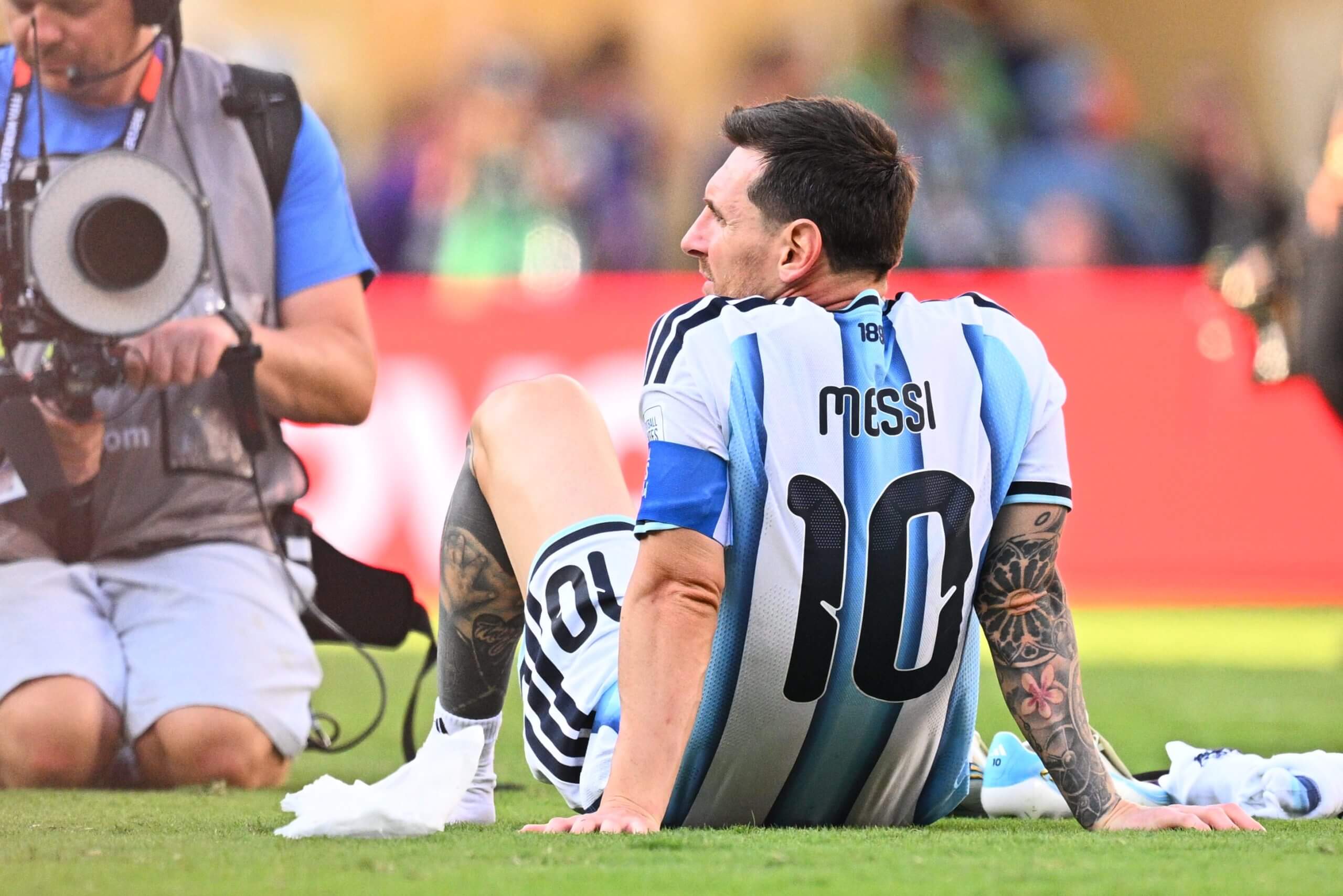
Lionel Messi stood amidst a sea of spectators at MetLife Stadium. Despite the tens of thousands of fans present and the billions watching globally, he appeared isolated. The World Cup final concluded, and Spain’s players jubilantly celebrated. Meanwhile, Messi remained solitary, reflecting defeat—his dream of another World Cup victory unfulfilled.
As he sat down, he removed the specially crafted Adidas boots labeled ‘The Last Tango’. Although the arena buzzed with noise, for Messi, the atmosphere was silent. His World Cup journey seemed at its end.
The tension of Argentina’s matches was consistently high. Since the knockout rounds, the fear of defeat lingered with each performance. Argentina faced obstacles with courage, yet each challenge felt like an echo of potential separation. Senegal, Egypt, and Switzerland all posed threats, but Argentina navigated through these trials.
Attending Argentina’s matches in various U.S. cities felt like witnessing the possible end of Messi’s participation in such events. This absence was likened to the melancholic themes sung by Carlos Gardel.
Ferran Torres approached Messi post-match—the potential match hero. However, Argentina’s players were engaged in a dispute, rather than offering Messi consolation. Leandro Paredes and Enzo Fernandez inflamed tensions, exacerbating Argentina’s plight.
Coach Scaloni noted the team’s inability to compete equally with Spain, evidenced by Messi’s limited ball interactions and the exception of a single stoppage-time opportunity. Messi’s influence was minimal, reflected by an xG of only 0.03.
Chants of ‘ME-SSI, ME-SSI!’ filled the air as Rodri was named player of the match. Attendees were in denial yet in complete support of Messi. He then faced the crowd, leading his team to receive medals from U.S. President Donald Trump, feeling uncertain about his future.
Spain’s triumph contrasted against Messi’s reflection; he faced his supporters with noticeable sorrow. A banner depicted Messi and Maradona, emphasizing their shared legacy—both achieving World Cup wins.
The resemblance to the 1990 World Cup was clear. Argentina previously struggled against West Germany in the final, failing to secure crucial shots on target. Similarly, the match against Spain followed a tight pattern until Torres’ goal dashed Argentina’s hopes. Messi’s despair mirrored the end of Maradona’s World Cup journey.
Unlike Maradona’s tumultuous exit, Messi departed imbued with gratitude and longing for a different result. Before the final, he expressed via Instagram that his team had already made an unforgettable impact.
Having claimed the Copa America after 28 years in 2021, then winning the 2022 World Cup, Argentina proved formidable. Despite Kylian Mbappe’s acquisition of the Golden Boot, Messi’s records remain impressive.
Walking away from the pitch, nostalgia permeated the scene—what would the World Cup be without Messi? His anticipated last tournament was remarkable. His presence elevated the event, bringing focus back to football amidst organizational complexities.
Gianni Infantino may expand tournament participation, but Messi’s absence will undoubtedly mark a World Cup with a sense of incompleteness.