Maine’s Key Senate Race: Collins vs. Platner
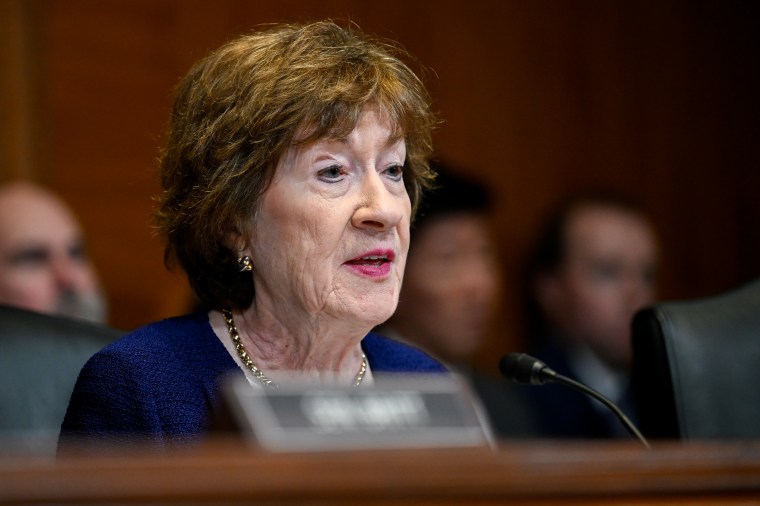
The upcoming Senate race in Maine is set to be a significant political event, as incumbent Republican Senator Susan Collins will face Democrat Graham Platner. NBC News has projected both candidates as winners in their respective primaries, with Collins running unopposed and Platner overcoming minimal competition.
Collins, seeking her sixth six-year term, has been a dominant figure in Maine politics since 1996. She stands as the sole Republican senator from a state President Donald Trump did not win in 2024, making her a prime target in the Democrats’ quest for Senate control. Democrats currently need a net gain of four seats to secure a majority.
Collins has a track record of political resilience. In 2020, she defeated her Democratic challenger despite polls predicting a narrower race, showcasing her capability to outperform expectations. President Trump has also expressed his support, emphasizing the importance of her win for maintaining the Republican majority.
Platner represents a different approach for the Democrats. Unlike previous center-left contenders, Platner positions himself as a populist outsider. He advocates for reforms such as taxing the wealthy, expanding social safety nets, and removing money from politics. However, his past controversies have created challenges for his campaign.
Platner has faced scrutiny over past behaviors and statements, including a controversial tattoo and online comments from years ago. These have stirred unease among some Democratic leaders, though key figures like Senators Bernie Sanders and Elizabeth Warren continue to support him.
Despite this, recent polls indicate a competitive race with Collins. While some party insiders have considered replacing Platner, he remains resolute in continuing his campaign.
Sen. Collins focuses on her achievements for Maine, emphasizing her role in securing funds through her position as chair of the Senate Appropriations Committee. By concentrating on local issues, she aims to connect with voters beyond the national political landscape.
The Collins-Platner contest represents a pivotal moment in the broader political battle for Senate control. Both candidates bring distinct backgrounds and strategies to the table, setting the stage for a closely watched election this fall.