Maryland Lawmaker Advocates for Registry of Repeat Squatters
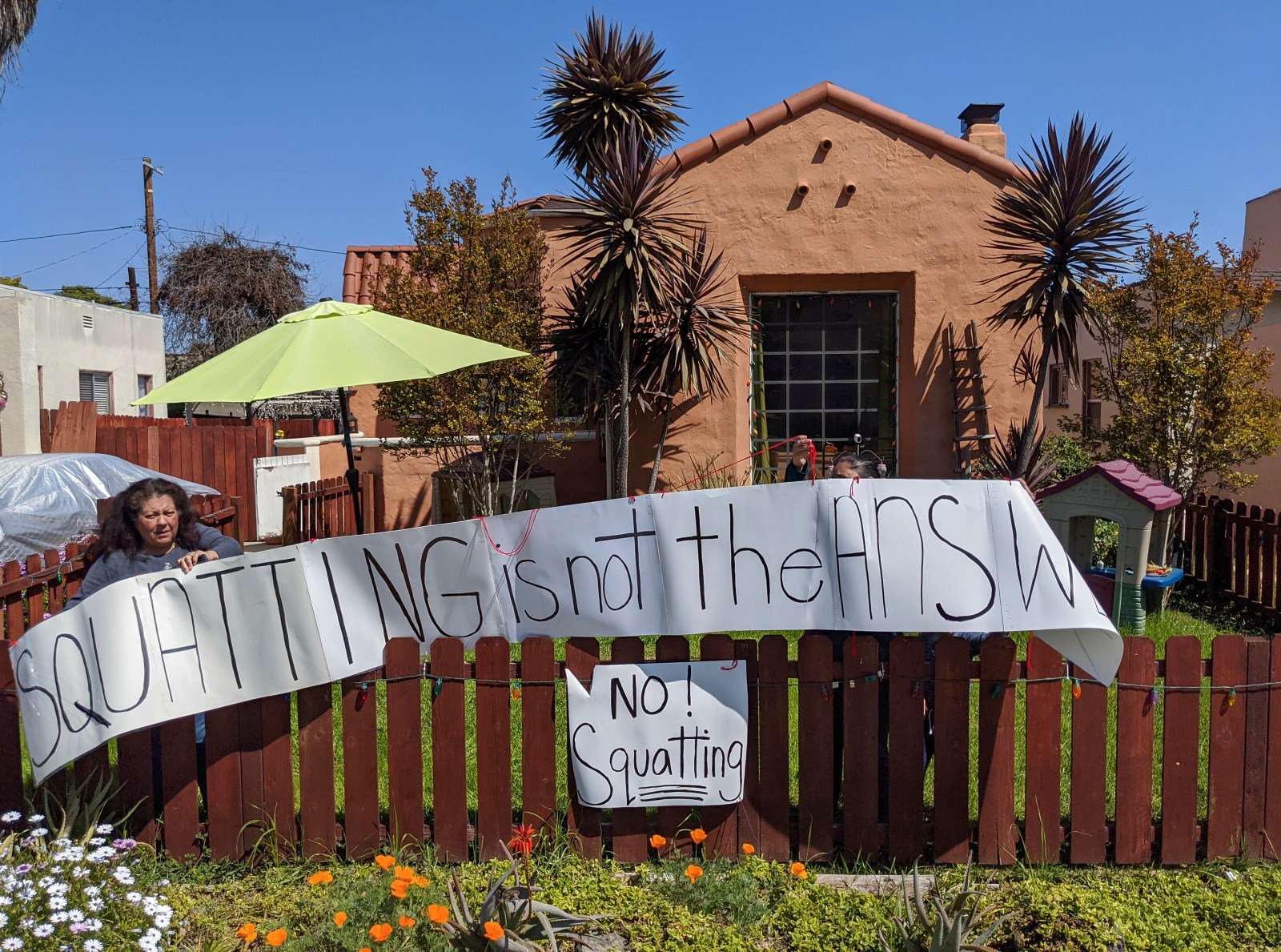
Proposal for Squatters Database
A state delegate in Maryland, Ryan Nawrocki, is advocating for a registry to track repeat squatters. The registry aims to assist law enforcement and property owners in identifying individuals who repeatedly occupy homes unlawfully.
Nawrocki, representing Baltimore County, explained the concept during an interview with Spotlight on Maryland. He likened the squatters database to a sex offender registry, which governments use to track individuals convicted of sex crimes.
Such sex offender registries require offenders to update their information with law enforcement. Many states provide public access to this data, allowing residents to search by name or location.
The proposed squatters database wouldn’t target one-time offenders but those who repeatedly engage in squatting. This will enable law enforcement to recognize individuals upon encountering them at a property.
Newsweek sought comments from Nawrocki via email on Tuesday.
Recent Squatting Incidents
Nawrocki’s proposal follows a squatting incident in Baltimore County involving Germarcco Dante Trayham. Trayham, allegedly squatting in a newly renovated home, presented police with a lease that reportedly had inconsistencies.
Similar reports about Trayham emerged in January when he allegedly offered another dubious lease at a different property.
Spotlight on Maryland uncovered discrepancies in the lease details, such as the address, phone number, and landlord information. Verification of the purported landlord proved impossible.
County police received an inquiry for comments via email from Newsweek on Tuesday.
The incident report revealed Trayham’s history of involvement in squatting cases at other vacant properties. Court records reviewed by Newsweek indicate Trayham has a criminal background, including armed robbery, assault, theft, and firearm-related offenses.
Legislative and Broader Context
Lawmakers recently passed bipartisan legislation to tackle fraudulent leases used in squatting cases. Set to take effect in October, this law introduces felony charges punishable by up to 10 years in prison for individuals creating counterfeit residential leases.
Currently, Maryland lacks a squatting registry. Nawrocki introduced HB202 in January 2025 to criminalize organized squatting. He emphasized the importance, advocating for families should not endure prolonged civil court battles to reclaim their homes.
Though the legislation did not pass, concern over squatting is increasing. Housing groups and lawmakers report growing unease, particularly in relation to rising housing costs and lengthy eviction processes.
The National Rental Home Council’s 2024 survey found over 1,800 homes occupied by squatters across three major metro areas. Responding to this issue, states like Florida, Georgia, and Tennessee have enacted laws to expedite squatter removal and bolster property owner protections.
Squatting remains a persistent problem, fueled by factors such as high housing costs, vacant properties, and extensive eviction proceedings.
Contact Newsweek editors Jenni Fink and Gray R. Thomas for more information on this story.