Meta Implements New Teen Rules in Landmark Social Media Settlement
Tech policy expert Clare Morell recently joined ‘Fox & Friends’ to discuss Meta’s significant youth addiction settlement, enforcing a two-hour daily limit for Facebook and Instagram users under 18. This historic agreement prevents app use from midnight to 6 a.m. and silences notifications during school hours.
For those who’ve heard a teen say, “Just one more minute,” enforcing screen limits is known to be challenging. Now, Meta has committed to a child-safety settlement that will reshape teen interactions with Facebook and Instagram across the U.S. A judge approved the agreement on Aug. 27. It mandates a default two-hour daily cap for teen usage of Facebook and Instagram combined, further restricting app access overnight. Parents will gain enhanced control over settings teens might attempt to alter.
Meta’s new settlement goes beyond simple screen reminders. Find out what will change and what parents can do to adapt.
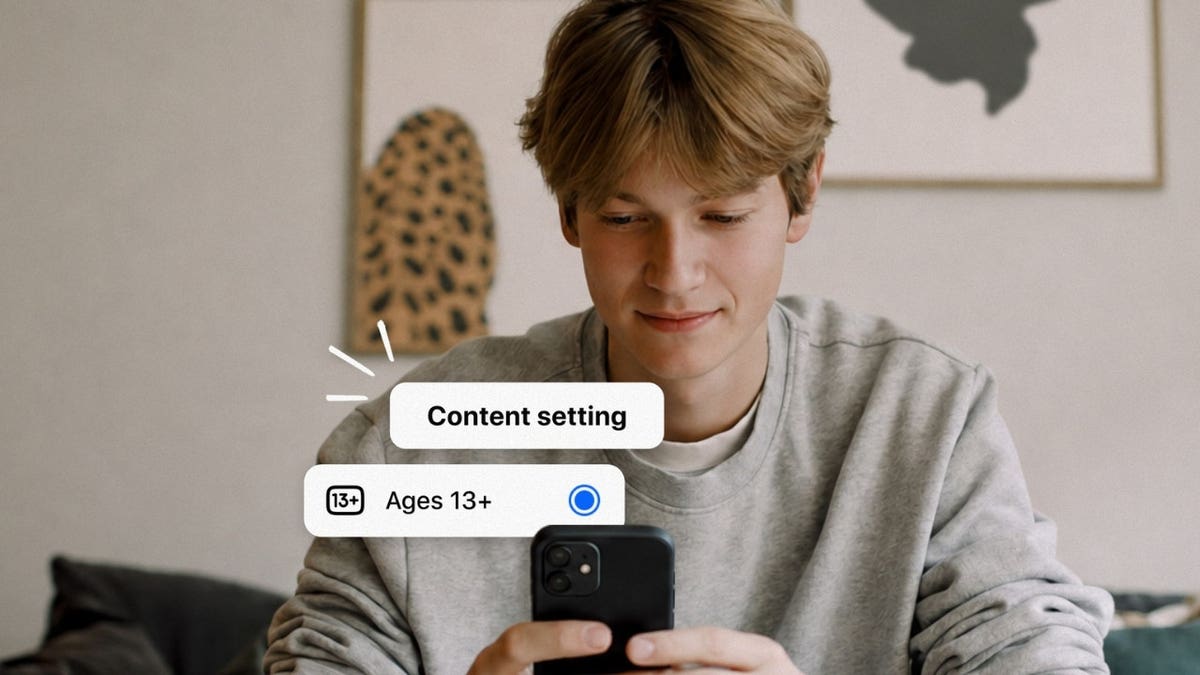
Meta’s Teen Accounts will maintain age-appropriate content settings while enhancing protections for younger users.
How Meta’s New Restrictions May Affect Teens
With judicial approval, the agreement is in effect, but new protections will roll out in the next few months. Compliance with most requirements is set for a six-month deadline, although some features are due sooner. Here’s a breakdown of changes for teens and parents:
- Two-hour limit on Facebook and Instagram: A combined daily limit of two hours applies, with usage time across multiple accounts counted if it involves the same teen.
- Activities such as direct messaging and qualifying long-form content are exempt.
- Teens need parental permission to turn off the two-hour limit.
- Night Mode: Blocks most activity from midnight to 6 a.m., keeping direct messaging available.
- Push notifications are disabled from 10 p.m. to 7 a.m. except for urgent alerts.
- School Mode: Mutes notifications from 8 a.m. to 3 p.m., Monday through Friday, during the school year.
Frequent Screen-time Prompts
Meta will introduce reminders after every 15 minutes of continuous screen time, plus alerts at the 60-minute and 90-minute marks. These alerts are due within four months from the date the agreement becomes effective.
These frequent notifications aim to establish a firm boundary before reaching the two-hour cap.
Adjustments in Viewing and Filtering Experience
Teens can choose a non-personalized default feed, avoiding Meta’s recommendation system. Autoplay can be disabled upon parental consent.
Likes and reaction totals will be hidden by default, and restrictions on appearance filters are expanded.
Strengthened Age Verification
Meta intends to enhance technology to identify accounts potentially belong to children under 13 or users falsifying their age. Proper age detection remains vital to the settlement’s effectiveness.
Parental Tools Expansion
Parents will receive notifications when a teen links secondary accounts or interacts with suspicious profiles. Periodic updates on usage and protective settings changes will be provided.
Meta’s Industry-wide Appeal
The agreement involves a financial aspect—approximately $18 billion. States get 70%, nearly $12.7 billion, over ten years, while the remaining depends on TikTok and YouTube meeting certain conditions and matching the financial contribution.
Meta encourages TikTok and YouTube to adopt similar restrictions. This appeal for an industry-wide approach is rooted in the concern that teens will migrate to other platforms if limits are exclusive to Instagram.
Independent Oversight
The agreement appoints an auditor to verify Meta’s compliance. This oversight ensures that protections are enacted effectively.
Tips for Parents
While requirements roll out in the next months, families can start protecting teens now:
- Utilize Meta’s parental supervision tools for more control.
- Evaluate actual screen time using device dashboards.
- Revise privacy and contact settings for both Facebook and Instagram.
- Manage content safety settings to ensure age-appropriate experiences.
- Implement device-level controls with Apple Screen Time or Google Family Link.
- Create a nighttime phone charging routine to prevent overnight use.
The implications for teens and parents are significant, as default protections get activated, providing firmer boundaries and alert systems. Conversations at home remain essential for effective use of settings.
Meta’s compliance and age verification developments will reveal the real impact.