Metra’s Strategic Shift: Systemwide Network Plan
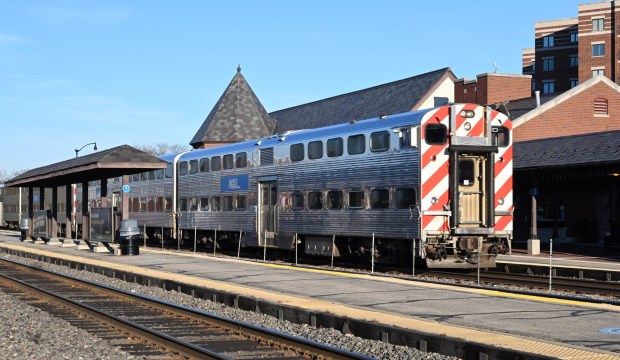
The COVID-19 pandemic has unexpectedly accelerated plans for Metra, shifting its focus toward an ambitious overhaul. As downtown commuters transitioned to remote work, ridership plummeted. This has led to the creation of the $9 billion Systemwide Network Plan (SNP), aiming to provide quicker, more frequent trains and extend service to O’Hare International Airport. The plan wants to offer consistent service not just during rush hours, but throughout the day within six counties. This strategy is called ‘Regional Rail.’
The 60-page SNP report outlines the objectives Metra hopes to finalize by December, before presenting to the Northern Illinois Transit Authority.
In ‘Regional Rail 1.0,’ the plan introduces ‘inner-zone’ and ‘outer-zone’ services. This would involve more trains circulating between Chicago and neighboring suburbs like Cook County while providing faster travel to distant suburbs. The Union Pacific North Line is a primary example. It could feature an inner zone from Winnetka to downtown and an outer zone from Kenosha to Winnetka. Transfer stations would facilitate the flow between the two services. Trains in the inner zone might run as frequently as every 30 minutes, even on weekends. Outer-zone trains would halt at all stops up to Winnetka, then travel express to downtown. According to Metra spokesperson Michael Gillis, the Milwaukee District North Line also suits zoning well, given more than 50% of its traffic covers one-third of the stations closer to downtown. With potential outer zones at Glenview and Libertyville, this line stands to benefit from zoning.
Other prospective inner/outer zone corridors include the Rock Island and Metra Electric lines. Meanwhile, lines like BNSF and Union Pacific West aren’t ideal for this model due to heavy freight traffic. Here, Metra suggests simplifying stop patterns for more reliable service. Additionally, the SNP plans to revamp the North Central Service with enhancements such as new turning tracks and signals. This would enable 30-minute trains between O’Hare International Airport and Union Station, benefiting Milwaukee District West riders who share tracks. The plan also considers a transfer at River Grove.
Regional Rail 1.0 demands $2.7 billion, with major investments in the SouthWest Service and Rock Island lines, such as a $390 million flyover bridge connecting SouthWest Service to Rock Island, allowing these trains to use LaSalle Street Station and freeing up Union Station for Amtrak.
Regional Rail 2.0
For the long term, Regional Rail 2.0 aims to increase train frequency to every 15 to 30 minutes, but at a cost of $6.4 billion. The main expense comes from $5.1 billion geared towards expanding O’Hare trains with new crosstown service through Union Station, which would incorporate the NCS, both Milwaukee District lines, and Rock Island, potentially requiring extra tracks or flyovers for smoother operations.
Other developments for 2.0 include more locomotives and coaches on the UP Northwest and North lines, plus turning tracks at Arlington Heights for more daily UP Northwest trains. However, challenges persist. With a $9 billion tag, the funding ask is high. The Northern Illinois Transit Authority’s combined capital budget for CTA, Metra, and Pace is $9.7 billion over five years. Agreements with freight operators like BNSF, UP, and CPKC are also essential.
Aaron Maertins, Director of Operations Planning and Project Management, points out Metra’s unique position of interfacing with all Class One railroads in the U.S., requiring coordination on nine of its 11 rail lines. Despite hurdles, Maertins asserts that Regional Rail’s frequency improvements will enhance ridership.
Whether you have questions or comments, you can reach out to [email protected].