Michigan Democrats Tackle Key Senate Primary
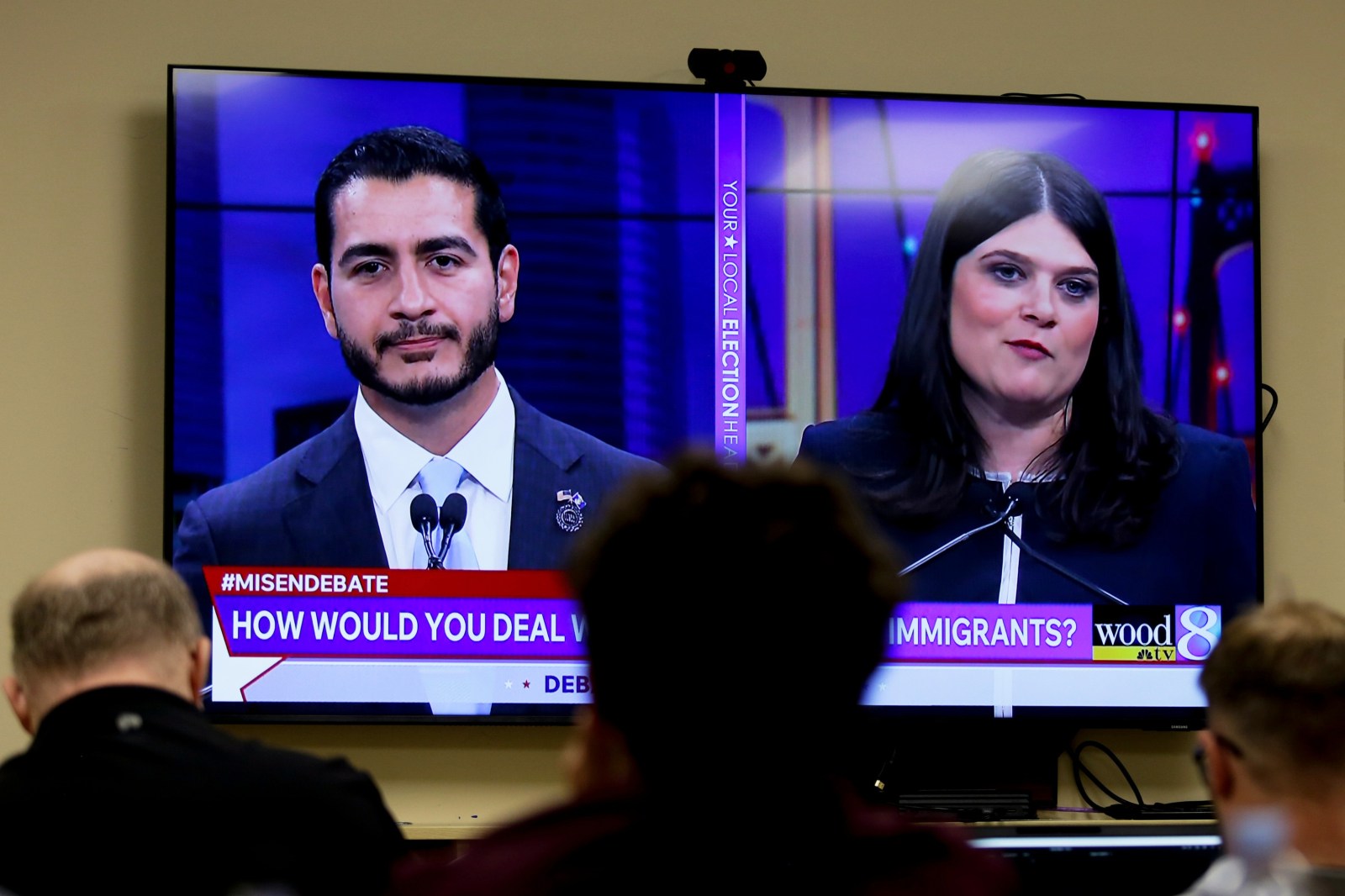
Michigan’s Democratic primary is becoming a significant focus for the party this year. The primary decides who will replace retiring Senator Gary Peters, with implications for the party’s direction nationwide. Two prominent candidates, former public health official Abdul El-Sayed and Representative Haley Stevens, vie for the Democratic nomination. Their contest reflects a broader debate over party ideology, campaign financing, and internal influence.
Establishment vs. Progressive
Stevens enjoys support from the Democratic establishment, including an endorsement from Governor Gretchen Whitmer. She has also attracted substantial financial backing, particularly from the American Israel Public Affairs Committee (AIPAC) and its super PAC. In contrast, El-Sayed has rallied progressives with endorsements from Senator Bernie Sanders and Representative Alexandria Ocasio-Cortez. He advocates for grassroots organizing to counter established power structures.
The primary’s outcome is crucial. A win for El-Sayed in the primary and subsequent general election against Republican Mike Rogers could demonstrate progressive viability in competitive areas. However, if El-Sayed secures the nomination and loses in the general election, moderates might argue that progressive candidates struggle in swing states. Stevens faces similar scrutiny but from a centrist vantage.
The Role of Outside Money
Outside spending has drastically impacted the race’s dynamics. AIPAC’s super PAC has spent around $30 million backing Stevens and opposing El-Sayed, marking its largest single-race investment. Progressives question the role such spending plays in Democratic primaries, with voices like Joseph Geevarghese of Our Revolution emphasizing the limits of financial influence compared to genuine organizing efforts.
Stevens’ campaign rejects the notion that external funding explains her standing. Their claims suggest that she remains the preferred choice to face Rogers and imply Republicans would rather run against El-Sayed. Democratic strategist Doug Gordon suggests El-Sayed’s win would signify a setback for AIPAC, highlighting evolving perceptions of the organization within the party.
Impact on Black Voter Turnout
Both campaigns recognize Black voters’ significance, constituting a substantial portion of the Democratic primary electorate. Historically supportive of moderate candidates, polling shows Stevens with an edge among older Black voters, while El-Sayed resonates more with younger, college-educated demographics.
The candidates have campaigned heavily in key areas, with Stevens focusing on Detroit and Flint, and El-Sayed concentrating on Pontiac and surrounding communities. El-Sayed’s involvement with the 2024 ‘uncommitted’ movement, critical of the Biden administration, remains a point of contention and potential hurdle in gaining wider support.
Broader Ambitions and Implications
Critics have questioned whether El-Sayed’s goals extend beyond Michigan, especially following comments suggesting broader party reform ambitions. Stevens and her supporters have framed him as pursuing national stature rather than state representation. In contrast, Stevens emphasizes localized issues.
Recent polls indicate El-Sayed gaining traction, a potential shift in momentum as election day nears. Public polling data reflects his lead in recent surveys following earlier ties or narrow leads for Stevens. Prediction markets have similarly adjusted, showing increased confidence in El-Sayed’s candidacy.
Beyond the Primary
The primary winner faces immediate challenges heading to November. Michigan remains a crucial battleground, with recent results displaying tight contests. Rogers, the Republican opponent, adds to the complexity of the race.
While Democrats hope for favorable conditions in November, both nominees will need to appeal to moderates in this swing state. Despite uncertainties, head-to-head polling suggests potential competitiveness for either Democrat against Rogers.
The primary outcome will help determine who stands the best chance of maintaining a Democratic Senate seat. The internal party debate between establishment strength and progressive momentum likely continues beyond Michigan’s immediate results.