Michigan Senate Candidate Abdul El-Sayed Discusses Tax Policy for Universal Healthcare
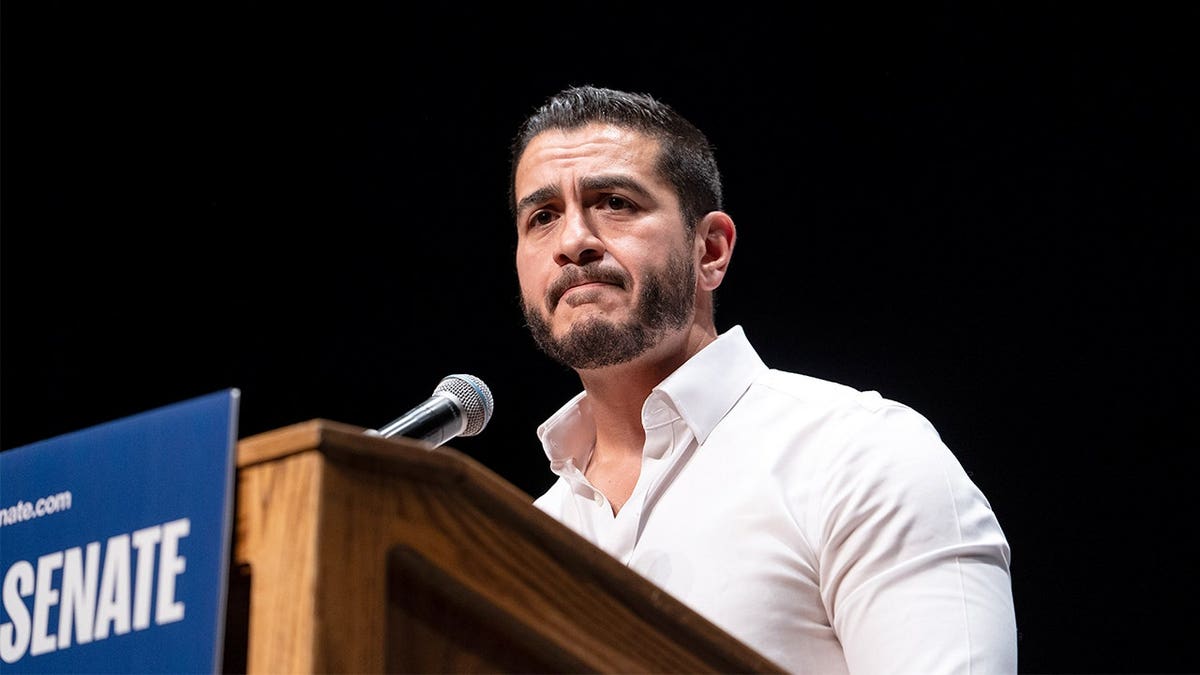
On NBC’s “Meet the Press,” Michigan Democratic Senate candidate Abdul El-Sayed addressed the funding of universal healthcare. He remarked that everyone, regardless of income, might need to pay “a little bit more in taxes” to achieve Medicare for All.
NBC host Kristen Welker asked about the financial implications for average Americans. El-Sayed mentioned his support for taxing billionaires but acknowledged that those earning under $1 million could also see higher taxes.
“So, for the average person, when you look at your W2, if you’re an employee who gets paid every two weeks or four weeks, after you pay your taxes, the next biggest check that comes off the top of your pay stub is to your health insurance company,” El-Sayed explained.
He further illustrated that, instead of paying insurance premiums benefiting corporate executives with multimillion-dollar salaries, individuals would contribute slightly more in taxes. This adjustment would safeguard healthcare access regardless of employment status, age, or marital changes.
El-Sayed described this as an “opportunity to trade what we give to a big corporation” for a government-administered healthcare system. This would involve a modest increase paid into FICA, offering consistent healthcare at no out-of-pocket cost during care access. He argued this trade-off benefits the public.
Meanwhile, Republican Senate nominee Mike Rogers criticized El-Sayed’s statements in a social media post, calling it a means of increasing government revenue rather than putting money in people’s pockets.
Despite supporting universal healthcare and billionaire taxation, El-Sayed denied being a socialist. He distanced himself from fully endorsing all Democratic Socialists of America stances.
His primary win against candidate Haley Stevens drew attention, highlighting tensions within the Democratic Party. Some view El-Sayed’s rise as a sign of the party’s shift towards progressive policies.
Political analyst Eric Ham noted a broader internal struggle in the Democratic Party. He outlined that the establishment versus the DSA battle centers around party control, rather than opposing Republican figures or reclaiming power in Washington.