Minnesota Health Officials Urge Flu Vaccination Amid Rising Cases
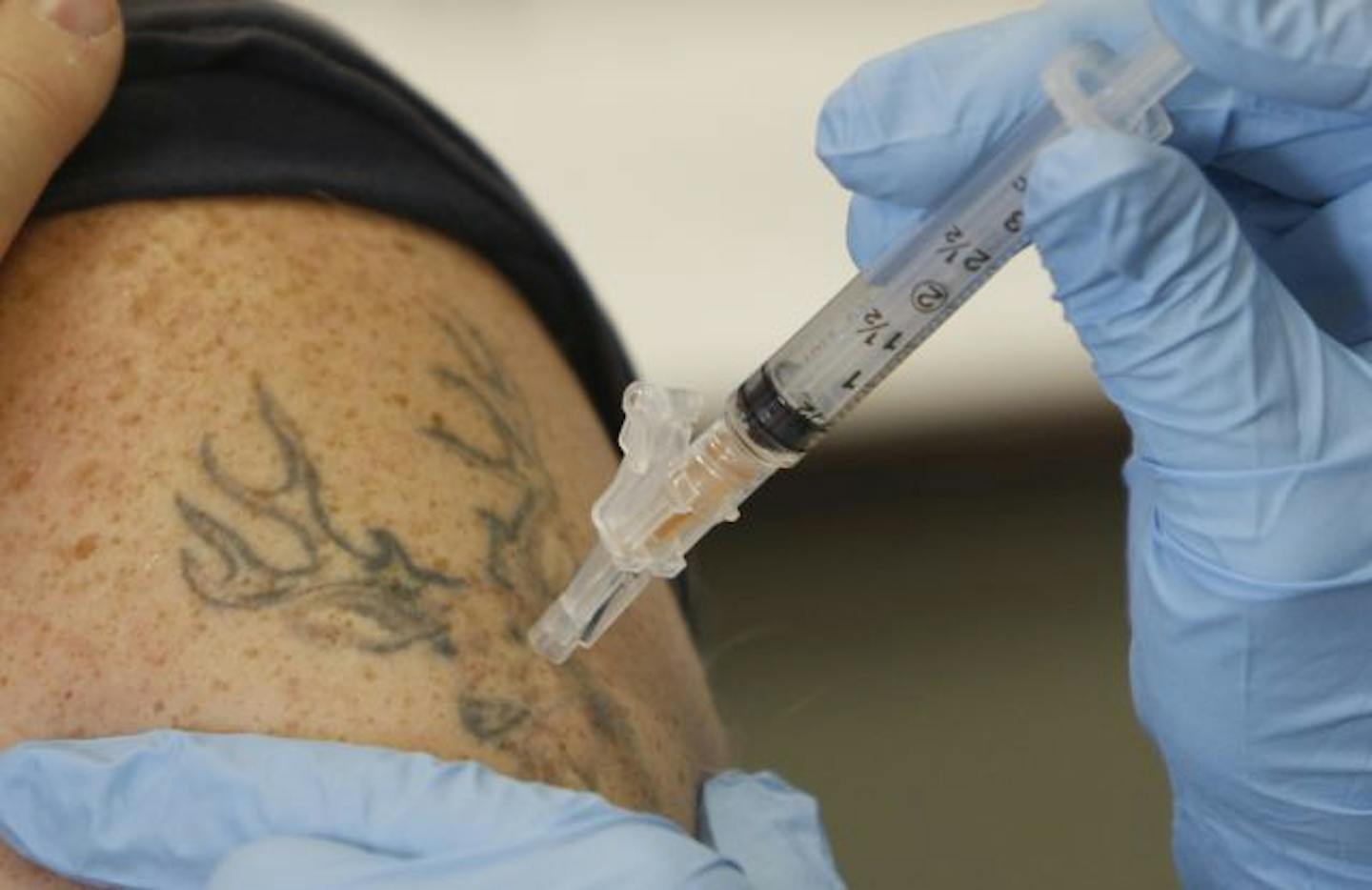
With the flu shot needing roughly two weeks to offer full protection, Minnesota health officials are urging residents to get vaccinated without delay. An early increase in severe seasonal flu cases has prompted this call to action.
As of Thursday, the Minnesota Department of Health reported 225 flu-related hospitalizations this season. In comparison, the state averaged 33 cases by this time over the past three seasons. Melissa McMahon, a state influenza epidemiologist, emphasized the importance of getting vaccinated, especially with Thanksgiving approaching. “It is not too late to get a flu shot,” she said, noting that earlier vaccinations are preferable.
The current rise in cases has been gradual and does not yet point to an early or severe peak in infections. However, McMahon noted that a lower vaccination rate and slight genetic changes in the circulating H1N1 flu strain might be contributing to these earlier infections. There’s no evidence that this strain is more aggressive or severe.
Influenza often presents with a sudden onset of high fever, respiratory issues, cold symptoms, and body aches.
The flu typically spreads through droplets released when infected individuals cough, sneeze, or talk. Severe cases can lead to complications like pneumonia, and worsen pre-existing heart and other medical conditions.
Historical data shows an average of about 380 flu-related deaths annually in Minnesota, with about half involving residents aged 80 and older. Weaker immune systems in this age group increase their susceptibility. So far, four deaths have been reported this year.
This winter marks the first use of wastewater monitoring to track flu spread from the season’s start. This method, developed during the COVID-19 pandemic, revealed increased flu activity in early November, with 9 of 26 sites detecting signs of the virus.
Historically, the flu virus thrives during holiday gatherings, spreading among families and friends, and later causing outbreaks in schools and long-term care centers. Hospitals have faced crowding and extended ER waits during peak flu times in January over the past two years.
Minnesota’s vaccination data showed only 24% of eligible residents received the flu vaccine by mid-October. The rate was higher among seniors, reaching 53%, who are at the highest risk for severe complications.
The flu vaccine generally provides 40% to 60% protection when well-matched to circulating viral strains. Post-vaccination, protection becomes effective after about two weeks.