Naming Traditions of College Football Stadiums
College football has long been associated with vast stadiums, each with its own storied nickname. Over the years, these stadiums have evolved from mere constructions to iconic landmarks.
Clemson’s Death Valley
Clemson’s Memorial Stadium earned the nickname “Death Valley” after a scorching defeat of Presbyterian College in 1945. Presbyterian coach Lonnie McMillian likened the experience to California’s Death Valley. By 1948, both McMillian and Clemson coach Frank Howard were using “Death Valley” to describe the stadium, a term that became synonymous with Clemson’s intimidating playing conditions. That year, Clemson’s team went undefeated, enhancing the stadium’s legendary reputation.
LSU’s Death Valley
LSU’s Tiger Stadium was initially called “Deaf Valley,” due to the overwhelming noise levels. However, over time, the name shifted to “Death Valley.” In 1959, LSU’s victory over Clemson in the Sugar Bowl further cemented their claim to the nickname. For LSU fans, “Death Valley” symbolizes the intimidating atmosphere of the stadium, especially during night games.
“If imitation is the sincerest form of flattery, I would hope that Clemson sees our use of Death Valley as more admiration than spite.” – Dan Borne, LSU Public Address Announcer
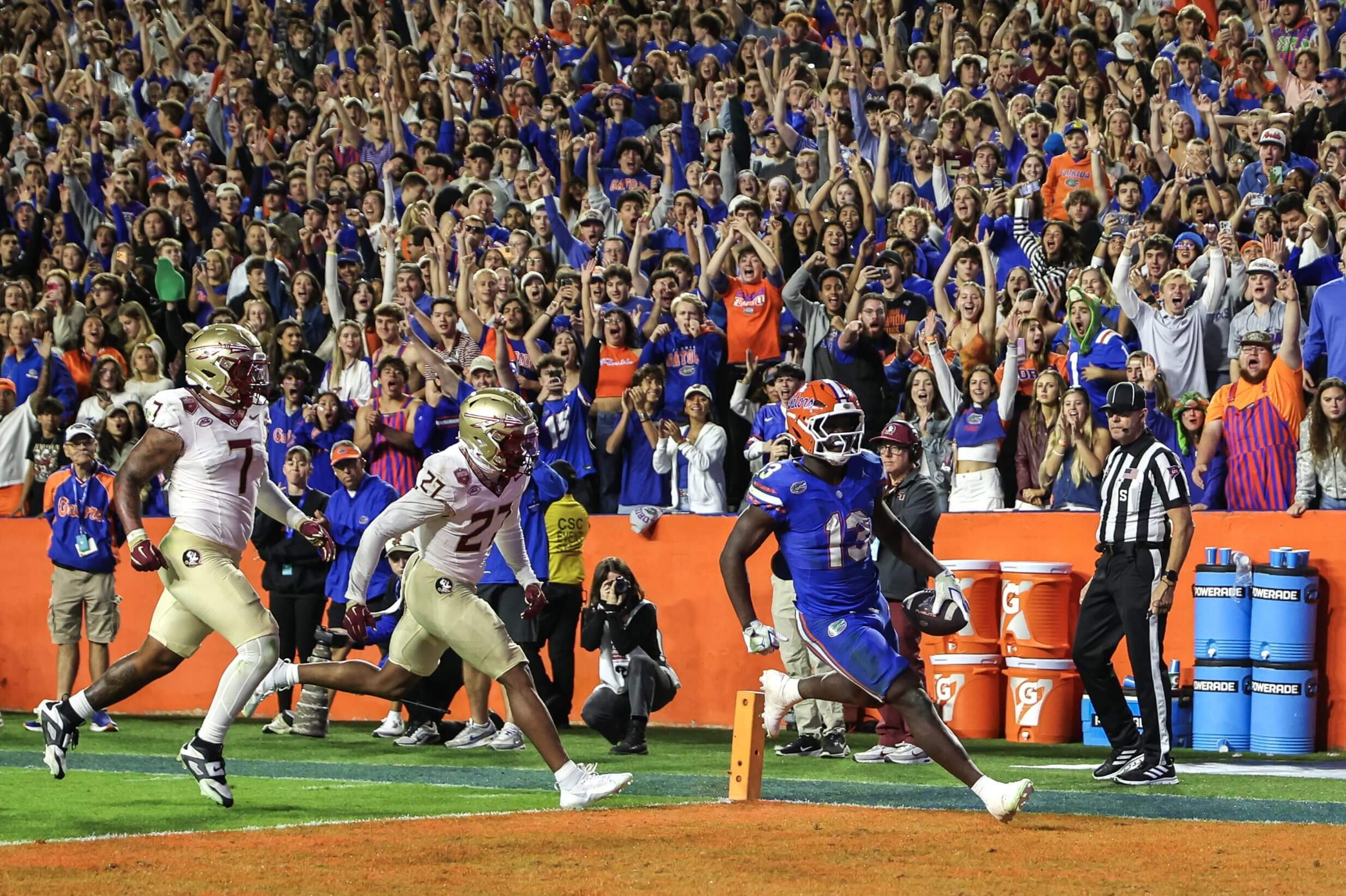
The Swamp
Florida’s Ben Hill Griffin Stadium became known as “The Swamp” in 1992, thanks to coach Steve Spurrier’s marketing savvy. Set in a low, marshy area of Gainesville, Spurrier used the phrase, “The Swamp is where Gators live, and where only Gators get out alive,” to convey the stadium’s daunting nature. Despite initial resistance, the name gained traction as the team continued to succeed.
The Big House
Michigan Stadium became “The Big House” in the 1980s, popularized by broadcaster Keith Jackson. Its immense size and distinctive design naturally lent to this moniker. The stadium’s religious-like status today means it plays a significant role in the community’s culture.
The Horseshoe
Ohio State’s stadium, built in 1922, was immediately recognized as “The Horseshoe” due to its U-shaped design. Funded by contributions from Ohio’s counties, the stadium has been central to the team’s success. Even with renovations, its iconic design remains intact.
Unique Names Across College Football
Other stadiums also boast distinctive nicknames based on their characteristics or history:
- The Factory: Eastern Michigan’s gray field reflects the region’s industrial legacy.
- The Rock: Southern Miss derived its name from player efforts during construction.
- Bounce House: UCF’s stadium earned the name after bouncing crowds.
- The Inferno: Eastern Washington’s red turf inspired this fiery nickname.
These names, engraved through decades of football lore, carry a significance that outlasts official designations.