NATO’s Increasing Presence in the Pacific and Its Potential Threat to Russia
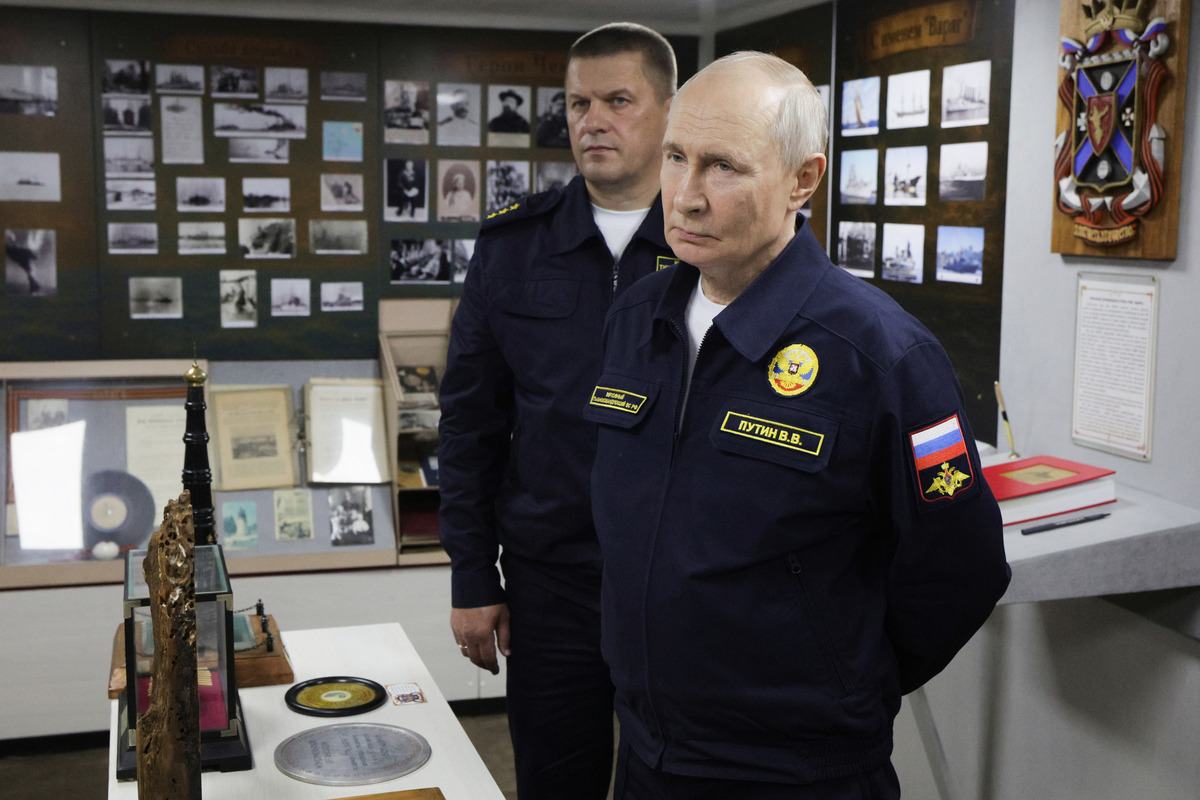
Russian President Vladimir Putin has signaled concern over NATO’s growing military presence in the Pacific, viewing it as a potential threat to Russia. He noted an increasing potential for conflict in the region as NATO makes significant advances.
NATO’s Strategic Movements
While the specific weapons systems referred to by Putin remain unspecified, the United States, a leading member of NATO, has shifted its focus towards the Indo-Pacific in response to China’s expanding military capabilities. This includes the permanent deployment of advanced F-35 fighter jets capable of launching sophisticated weapons in northern Japan, initiated in late March.
Furthermore, in May, the U.S. conducted a test of a long-range missile from a Typhon system in the Philippines. Known also as the Mid-Range Capability, this system can fire Tomahawk cruise missiles, which have a range of approximately 1,000 miles, as well as the U.S.’s shorter-range SM-6 missile.
In 2023, several NATO countries increased their presence in the Pacific through the deployment of ships, planes, and troops. Italy, for example, sent an air defense ship to the region in early May. Additionally, thirty nations, including NATO members, participated in joint exercises with the U.S. Pacific Fleet, concluding at the end of July.
Regional Reactions and Military Developments
Concerns regarding NATO’s increasing influence in the Pacific are compounded by President Donald Trump’s past administration’s approach toward the U.S.’s traditional allies. Coupled with the growing threat from North Korea’s nuclear and missile programs, and its new relations with Russia, countries like Japan and South Korea have been driven to escalate their military spending while maintaining strong ties with the U.S.
Putin highlighted that new weapons systems, presenting threats to Russian security, are either being deployed or planned for deployment in the region. However, a NATO spokesperson clarified to Newsweek that the alliance remains purely defensive and poses no threat to Russia.
Russia’s Strategic Adjustments
Putin observed training exercises of Russia’s Pacific Fleet near Yuzhno-Sakhalinsk, the largest city on Sakhalin Island. Recent reports reveal that Russia enhanced defenses at its Rybachiy submarine base, a key location for its Pacific Fleet on the Kamchatka Peninsula. This base is critical for nuclear submarines, including those equipped with nuclear arms.
Enhancements include anti-drone nets, with more of Russia’s submarines at Rybachiy now being protected. This step indicates heightened anxiety among Russian officials about the vulnerability of their submarines, influenced by threats like Ukraine’s Spiderweb operation in June 2025, which successfully utilized drones near Russian airfields, causing significant aircraft damage.
Continued Ukrainian Resistance
Recent actions demonstrate Ukraine’s ongoing commitment to challenge Russian military positions. Ukrainian President Volodymyr Zelensky recently highlighted an operation hitting the Novorossiysk naval base using advanced military technology. Despite being over 180 miles from the front lines, this location poses strategic importance as Russia has relocated ships there following repeated Ukrainian strikes on Sevastopol in Crimea.
The annexation of Crimea by Russia in 2014 remains a contentious issue, with Kyiv determined to reclaim control over the territory. In March 2024, British Defense Ministry satellite images suggested deception tactics by Moscow involving Kilo-class submarines at Novorossiysk to counter Ukrainian assaults.