Netanyahu Rejects Trump’s Gaza Peace Plan Over Disarmament Dispute
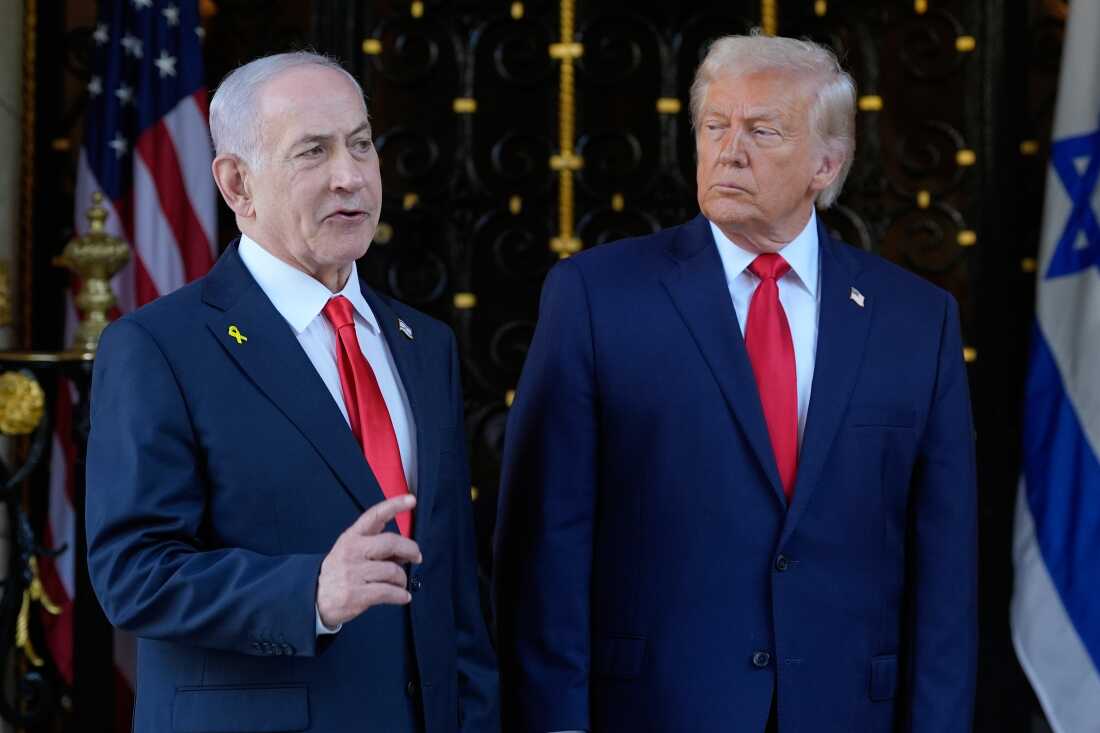
President Donald Trump attended a meeting at his Mar-a-Lago club, where he listened to Israel’s Prime Minister Benjamin Netanyahu. The meeting took place on December 29, 2025, in Palm Beach, Florida.
Israeli Prime Minister Benjamin Netanyahu has opposed President Trump’s proposed 15-point peace plan for Gaza. Netanyahu insists that Israeli forces will remain in Gaza until Hamas is genuinely disarmed. In a meeting with government ministers, Netanyahu stated, “We are talking about genuine disarmament, not fictitious disarmament.”
Netanyahu’s stance emerged shortly after President Trump announced that a deal for total disarmament with the Palestinian militant group Hamas had been reached. Trump shared on social media in late July, “Today, the Board of Peace reached a historic agreement for the complete disarmament of Hamas and all other armed groups in Gaza. This is a monumental step toward lasting peace and security.”
Under Trump’s peace proposal, Board of Peace officials indicated that Hamas and other militants would hand over their arms to a vetted international policing force. However, a senior Hamas official previously informed NPR that disarmament would only occur if Israel first withdrew from certain parts of Gaza.
This disagreement follows an initial ceasefire between Israel and Hamas that began in October 2025, as part of Trump’s broader 20-point Gaza plan. That initial phase halted significant fighting, facilitated the release of hostages in exchange for around 2,000 Palestinian prisoners, increased humanitarian aid, and called for a partial Israeli withdrawal. Nonetheless, debates over Hamas’s disarmament and Israel’s further withdrawals remained unresolved.
Trump’s new 15-point plan, released on July 31, attempted to advance these contentious points. The plan proposed the withdrawal of Israeli forces and disarmament of Hamas as a gradual process, rather than requiring Hamas to fully disarm before Israel’s withdrawal.
Although the Board of Peace had supported Netanyahu’s standpoint, stating on August 3 that Israeli forces would not exit beyond the Yellow Line until all of Hamas’s weapons were decommissioned, Netanyahu reiterated his demands. This decision comes just before the Israeli election on October 27, with polls indicating possible risks to his coalition’s majority.
Amid this deadlock, Israel continues to control approximately 70% of Gaza, according to Palestinian authorities and aid organizations. Despite the challenges, Hamas issued a press release on Sunday expressing its commitment to the previously agreed roadmap.
NPR’s Anas Baba provided contributions to this report from Gaza.