New York City Plans City-Run Grocery Stores Amid Concerns
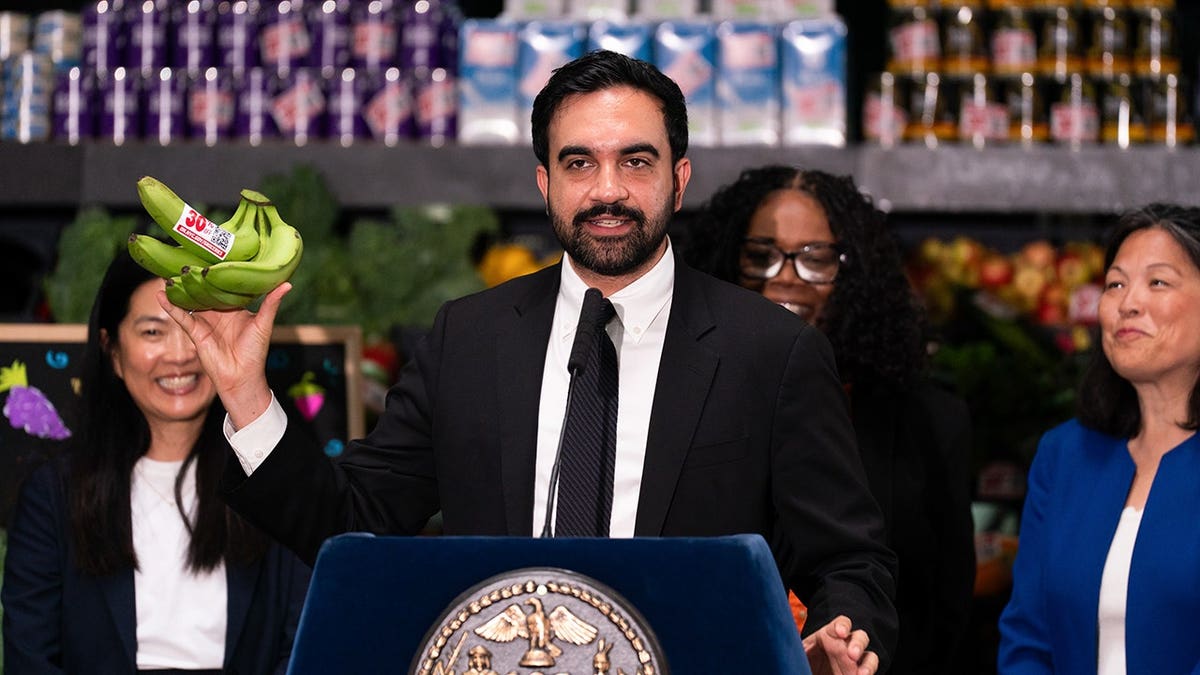
New York City Mayor Zohran Mamdani has announced a plan to open five city-operated grocery stores, aiming to address food affordability. A major local supermarket chain owner warns that the initiative might harm existing businesses.
John Catsimatidis, CEO of the Gristedes grocery chain, voiced concerns that the government-run stores will negatively impact local bodegas and supermarkets. He stated, “The fact is the people Mamdani is going to hurt are the current bodegas or the current supermarkets in those neighborhoods.”
Mamdani’s plan involves establishing the first store in Hunts Point, Bronx, by late 2027, with all stores operational by 2030. The project has been allocated a budget of $70 million. These stores will offer a 30% discount on essential groceries like meat and fresh produce to relieve the city’s affordability crisis.
Critics, like Catsimatidis, argue that this new model disadvantage local businesses that have to continue paying taxes and rent. In contrast, city-run stores will be exempt from such expenses, allowing them to cut costs.
Local grocery operators already face challenges from online retailers that offer cheaper alternatives due to lower operational costs outside New York City. Catsimatidis remarked, “The businesses that are doing business outside New York City are just shipping [products] in by mail, they can afford to be cheaper.”
He also highlighted that the stores might not substantially address hunger, critiquing that the city-run model is primarily a public relations move. He emphasized the additional burden on businesses due to congestion pricing and high operational costs.
Possible solutions include offering tax credits to all businesses, allowing them to lower prices citywide. Catsimatidis suggested, “If they’re not given credits to reduce their prices, then they’re going to be hurting.”
Nevin Cohen, Director of the CUNY Urban Food Policy Institute, highlighted the pressing need to combat food insecurity in New York. He noted that 1.4 million New Yorkers face food insecurity, relying on SNAP benefits or federal subsidies.
Cohen mentioned a program called “FRESH” that provides incentives to stimulate supermarket growth in underserved areas. Despite the potential benefits, Catsimatidis remains apprehensive about the competitive impact on local businesses.